
Prof Bhaskar unpacks the complex layers of Indian nationalism, statism, and citizenship challenges on DifferentTruths.com.
AI Summary
- Statism vs Nationalism: The state enforces a homogenised identity and political obedience, overshadowing true, grassroots nationalism built by everyday citizens.
- Citizenship Vulnerability: Strict documentation requirements and systemic disenfranchisement leave marginalised populations terrified of losing their basic rights and citizenship status.
- Diversified Realities: India’s vast cultural diversity and socioeconomic hardships mean true nationalism cannot fit into a single, politically engineered definition.
A nation is a people that resides in a specific sovereign geography – a people that carry human values. Some people know the world map but rarely go out of the sovereign boundary unless historically dragged as labourers for the creation of wealth of nations or unless made refugees on their own land. Pride and prejudice get formed accordingly. The settled people will form one type of faith-belief that unsettled people may not. India’s political history shows these and much more. The country now has a carrying capacity of 1500 million population. Not surprisingly, all may not have a homogenous culture.
‘Mera Bharat Mahan’ and ‘India shining’ are some other slogans that circulated in political circles for public consumption and could hardly generate a sense of nationalism for national integration.
State actions and nation-building are different. The state of India believes in the homogeneity of people by ‘Hindi-Hindu-Rama-cow’, which may not be possible in a diversified country like India. In fact, India is home to many people across regions and communities that need to be understood rather than forced on people. Anything that is forced is not real – and so is the concept and practice of nationalism.
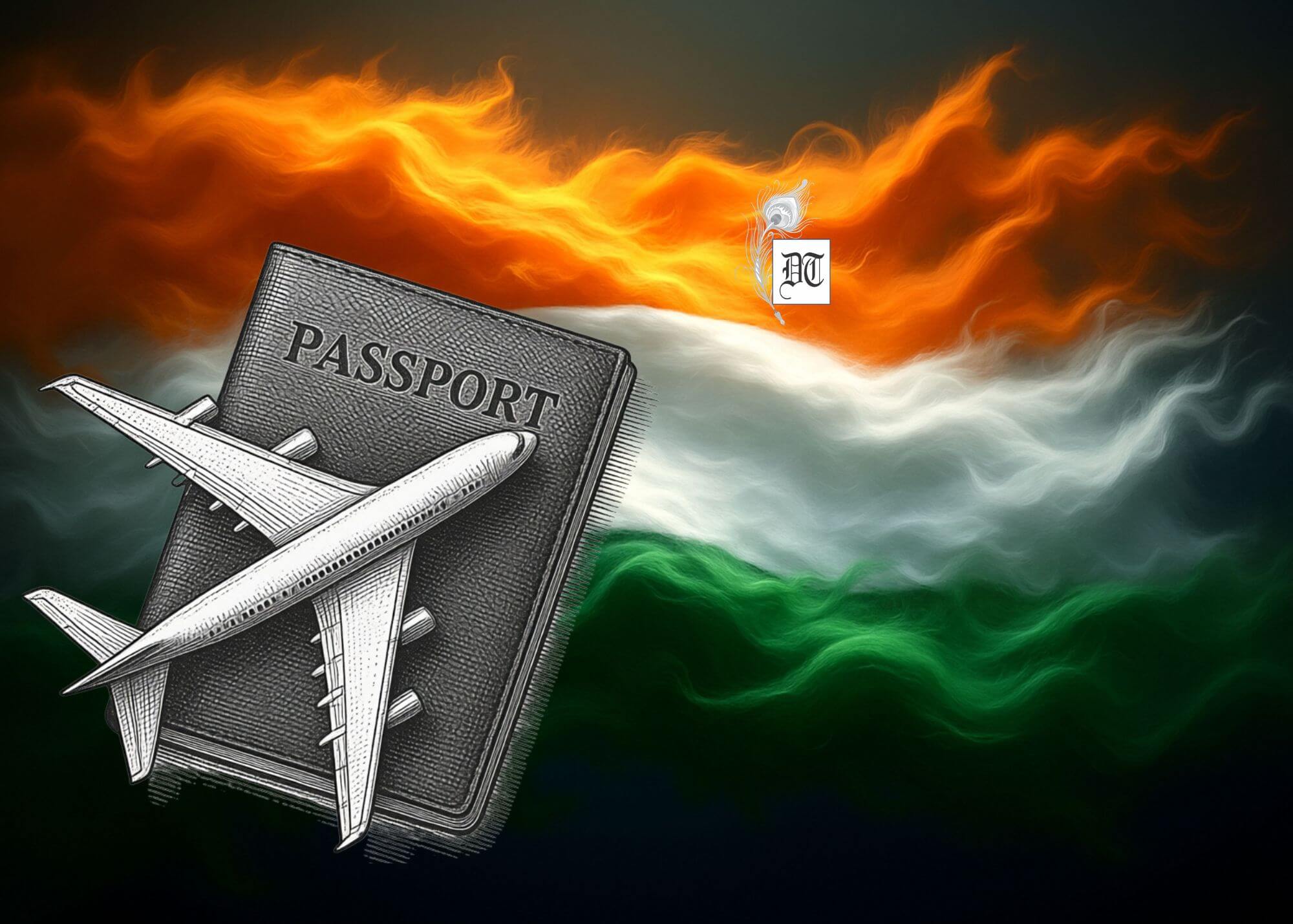
A person is assumed to be a ‘state citizen’ and not a national citizen. The nation, to date, does not know what his proof of citizenship is – citizenship is really intimidating for fear of ‘detect, delete, deport’, recently announced by the political authority at the centre – the latter allegedly guided by perceived changes in demographic composition, in turn, Muslim fear by number. Of late, it is being said that having a passport is only a document for international travel by the person having it. A voter identity card faces a similar fate because of SIR-led disenfranchisement in West Bengal, 2026. What remains are birthday proofs that most of the population in India above the age of 50 do not have a PAN, which the population in the unorganised segment may not have unless they are taxpayers; a driving licence that may be possessed by less than 10.0 per cent of the population; and the validity of that, which also expires after a certain age. What remains is a ration card that many may include self-exclusion on, and some are excluded from. So, the fear of citizenship remains for innocent people.
It is statism and not nationalism that matters now; often statism is seen as synonymous with nationalism as understood by the ‘detection’ of ‘deshdrohi’ in case one differs with the state agenda. One needs to align with the state vocabulary like ‘tukde tukde gang’, ‘urban Naxal’ and all that before going for encounters and assassinations. As evidence, three major states in India practise detention without trial for at least one year in case the state imagines the person may be threatening the social (read state) order. These states are Uttar Pradesh, Gujarat and West Bengal. Nationalism remains a far cry.
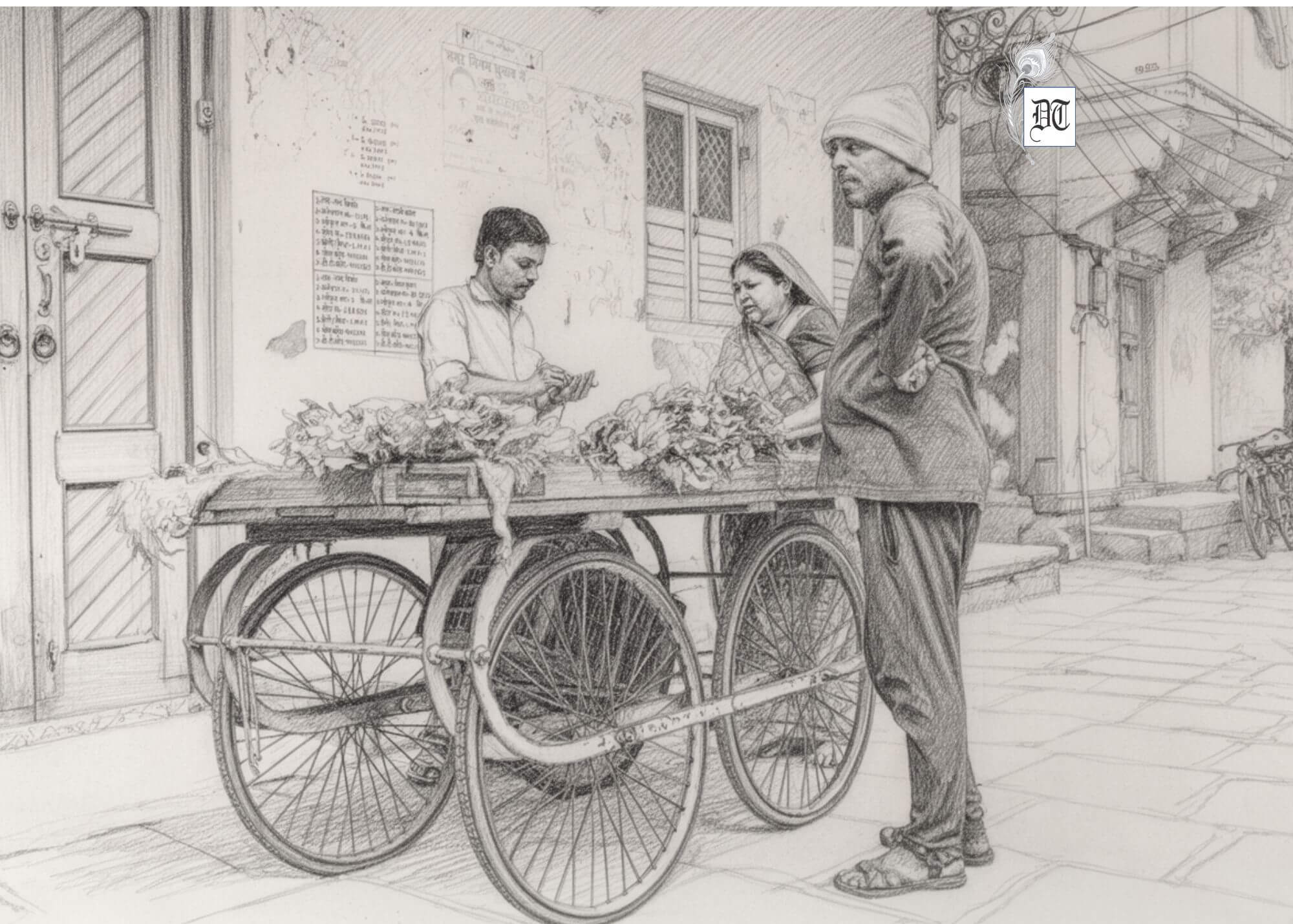
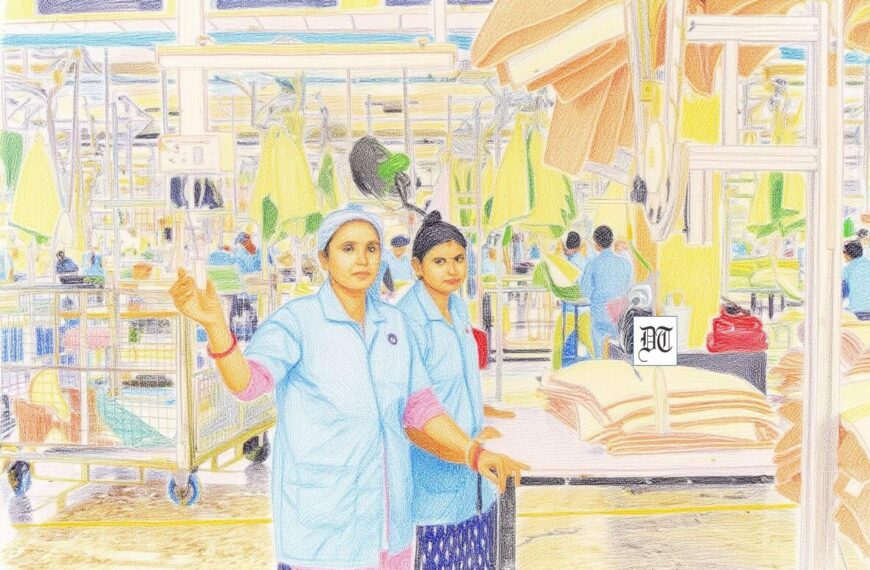
My primary surveys in the Hindi heartland and West Bengal revealed common people’s helplessness to develop ‘capacity to think’ or learn to think about the way the political authority or government treats them. They live at the bottom of biological living, standing in the queue for food and fuel and different types of cards. They do not get time to think. They are engaged in the kitchen and child care. All these empower the state and not the nation. So non-development of the concept of nationalism does not imply that the common people abstain from nation-building. This nation-building rests on labour work in agriculture and allied activities, mines and factories, teaching in schools, and medical practices in health institutions.
As received from the respondents through my primary surveys, most of the people who live in India’s rural socio-economy know at best their own village, and their children know the national flag because of their privileged schooling. But that the national flag carries the first symbol of nationalism is not known to most of them. These children sing ‘Jana gana mana…’ in their schools but hardly know it as the national anthem and hardly know who penned it. Most of the people in India’s corners could not tell the surname of Vidyasagar, which can hardly disqualify them as nationalists. In the cultural space, thus, nationalism is difficult to understand in India. Most of the people in India live a fait accompli – frequently in religious assemblies, somewhere through building collapse while working, somewhere through bridge collapse, somewhere because of flood-landslide and so on. Some of them live because they cannot die – they have high immunity.
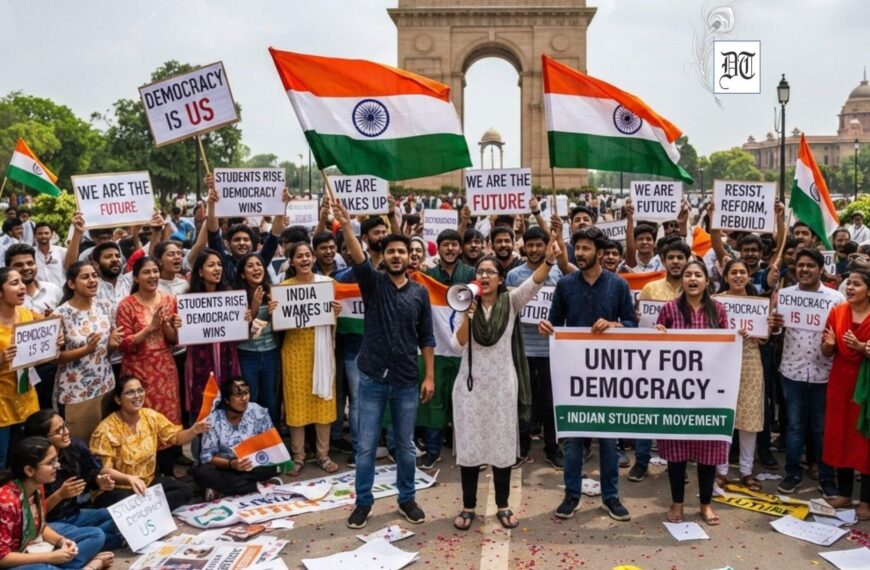
Nationalism is not a category cocooned by the political masters – it reflects the social life of people. Since the social life of people in India is not a single or unique one, as may be in other countries, nationalism has no single jacket. Hence, abrupt, half-baked phrases like ‘deshdrohi’, etc., do not stand well or are not in good taste. Social people do their best because that ensures their livelihood, apart from spirituality and fear of God or the next birth.
Pseudo-nationalism is generally derived from parasitism – from that tiny section that overlooks their own social responsibilities and judges the mass society by their own selected indicators. A few of these pseudo-nationalists are absconders who also emptied the banks’ coffers that were people’s deposits. Banks may confirm who deposited and who emptied through the door of non-performing assets.
The type of nationalism that is in circulation is ‘Hindu nationalism’, based on the allegation of ‘Muslim appeasement’ in India and based on enmity against the neighbouring country Pakistan. The fact remains that around 20.0 per cent of the population in India are Muslims, and there is no proof that Muslims are anti-nationals or that they carry forward or glorify Pakistan’s sovereignty. But the state needs an enemy – what can be a better enemy than Pakistan, which was created in 1947 through partition? Society in India does not need additional enemies, as it is already caste-crisis-ridden.
What is less understood or not understood at all is the canvas on which the question of nationalism can be posed. It is internationalism that makes nationalism understood better. ‘Think global, act national’ may be the first step in understanding nationalism. Common people do not claim to be nationalists or internationalists – they work and keep general silence in the public domain.
Picture design by Anumita Roy

Prof Bhaskar Majumder superannuated as an Economics professor from GB Pant Social Science Institute, Allahabad. He served as a visiting professor at Central University of Bihar (Patna), Sri Sri University (Cuttack), Banaras Hindu University (BHU), Science College (Calcutta University), and others. He published extensively in 26 reputed journals, authored 11 books, co-edited two, and contributed 38 chapters. He completed 26 research projects funded by the Planning Commission, GoI ministries, ICSSR, the World Bank, NTPC, and Tata Chemicals. An international academic, journal reviewer, and PhD supervisor, he holds degrees from the University of Calcutta. He is our National Editor: Economics and Social Science.

 By
By
 By
By