


Food is interwoven into the culture of the Chinese people much like the Indians. With food, Gods are worshipped, ancestors are sustained, and spirits pacified. Food also plays a significant role in family politics, with women showcasing their culinary prowess for one-upmanship, says Suveera, in the weekly column, exclusively in Different Truths.
If you are a true Indian, every celebration, must begin with, revolve around and culminate with food. Are we all not die-hard food lovers? This is irrespective of which part of India we come from, we love our food. Period.
And I confess. I am no different. When we lived in Delhi, the Indianised version of Chinese food was one of my favourites. But soon after moving here, and spending a few weeks in Hong Kong, I could not think about Chinese food the same way again. It is starkly different from the ‘Indian Chinese’ that I enjoyed so much. However, slowly it grew on me. Sometimes delicately flavoured, and at other times, fiery Sichuan leaving my taste buds numb. Here you get a taste of it all.
Hong Kong has about 61 Michelin starred restaurants, the number growing steadily. There are 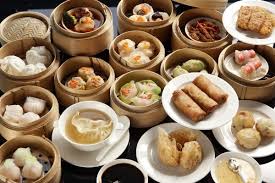 innumerable hidden gems lining the lanes of the city, providing delicious food. With countless options for any major cuisine of the world to flaunt, Hong Kong is a food lover’s paradise.
From the quaint little dim sum joints to Ozone, the highest bar of the world, at the Ritz Carlton. You name it and it is there.
However, what I find intriguing is the how food is interwoven into the culture of the Chinese people much like the Indians. With food, Gods are worshipped, ancestors are sustained, and spirits pacified. Food also plays a significant role in family politics, with women showcasing their culinary prowess for one-upmanship. Many a supremacy wars have been fought between mothers-in-law and daughters-in-law in the battlefield of the kitchen. I am sure many spouses have said yes to propositions, post a good meal. As they say, ‘After a full belly all is poetry.’
The food traditions of both countries are often laced with superstitions. A  lot of emphases laid on the shape of the food especially in Chinese cuisine. Noodles exemplify longevity and were traditionally eaten on birthdays. The round shape of mooncakes imitates the shape of the moon and signifies continuity and togetherness. The oranges and tangerines that can be seen everywhere around the festival of Chinese New Year, symbolize wealth and good luck. It is considered auspicious to serve a chicken whole as it symbolizes unity and togetherness.
The jiaozi dumpling, that we all love so much, symbolizes affluence. It is made a crescent shape, to mimic the gold ingot once used in China as currency.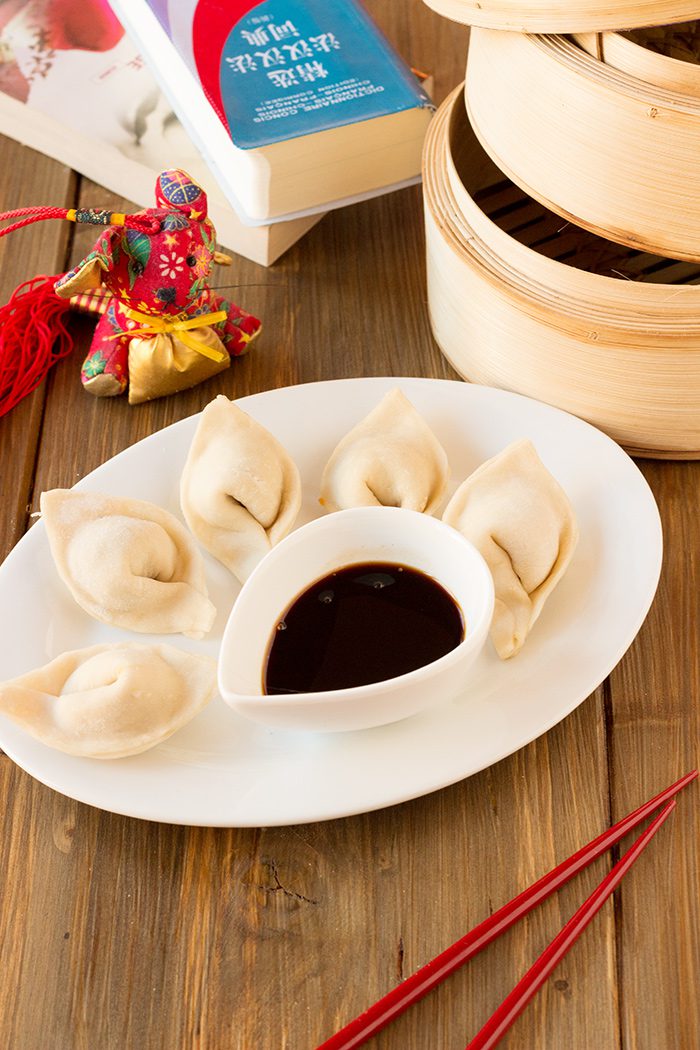
It is interesting how food can signify so much in our culture. From acceptance, to worship, to rejection.
There is a very charming tradition in India. When a newlywed bride, comes to her new house, she is expected to cook something sweet for the family. It is symbolic of her bringing sweetness and plentitude to her home. She is in return showered with gifts from her in-laws, bringing her prosperity.
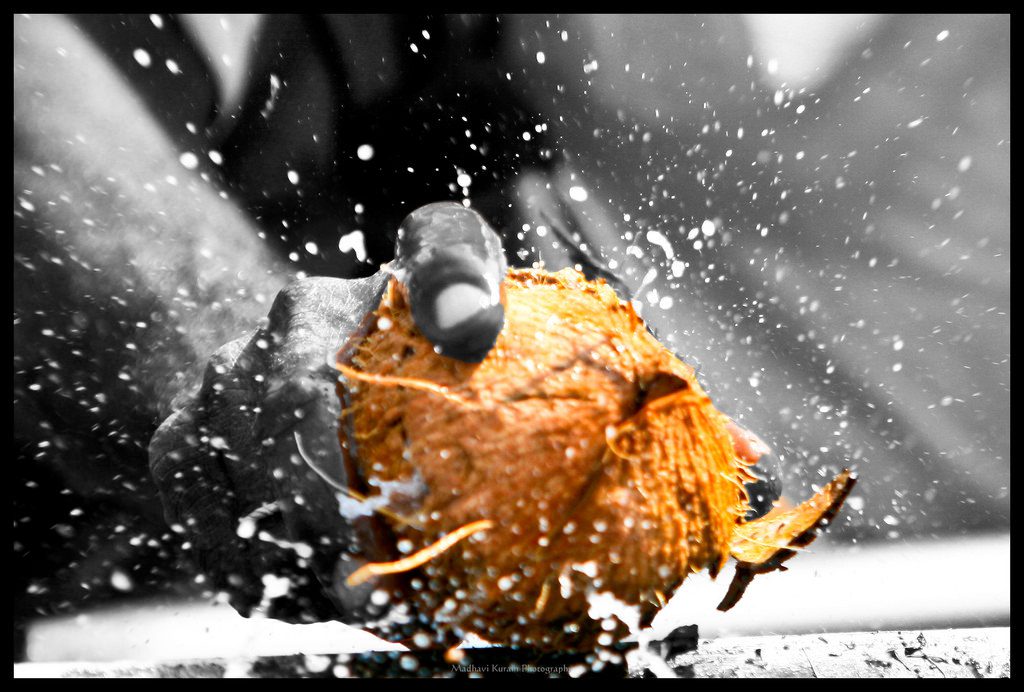
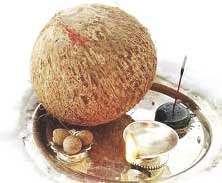 In India, it is customary to offer a coconut to the deity in the temples. Coconuts are shattered on the floor and offered to the gods, as it is believed that the coconut resembles the shape of a human skull. So by breaking the coconut, the devotee is symbolically shattering his ego and surrendering to God.
A huge serving of sweets is a must for every happy occasion. A wedding invite is accompanied by a box of sweets. Sweets are taken as gifts for friends and family to bring them good luck and abundance.
The love affair with food is everlasting, and honestly, why should I complain! The weather in Hong Kong is starting to get quite chilly, and what can be better than a delicious hot dessert or two. Perhaps even cook up a hearty meal for my husband, on his way home. There is this diamond ring that I have been eyeing!
©Suveera Sharma
Photos sourced from the author from the Internet
#HongkongDiary #ChineseFood #IndianFoodAndCustoms #ChineseCulture #FoodAndCulture #HongKong #HKGirl #Hongkong #LivingInHongKong #HongKongLife ##hk #honkongblogger #hkgirl #hkonline #hkstories #lifeinhk #DifferentTruths

Suveera Sharma is a postgraduate in English and a qualified software trainer. She is an avid reader and writer. Being the daughter of an army officer, she spent her childhood in various cantonments all over India. At present, she is settled in Hong Kong. She runs storytelling sessions for little kids and writes in her spare time.

 By
 By
 By

 By
I am laughing my heart out. The diamond ring is yours. A hearty burp… for a well written piece.
What a finger-licking fun article on the significance of food in the two cultures. Great to learn about the food traditions and the reason behind particular shapes of food in China. The concluding lines had me in splits with laughter.
The quickest route to the Indian heart – through the stomach 🙂
Shall hold you accountable
Thanks Neha. Glad you enjoyed
True Jesal
Great loved it…. definitely a foodie ..
Thanks sarita
Wow! The symbolism of food in our rituals is something most of us growing up in the East know. But I’m amazed that until I read this post, I never thought about it and somehow, subconsciously took it for granted.
Thankyou..glad you enjoyed it
Interesting indeed !