In the second part, Dr Rositta shares the inspiring origin of BMMA on DifferentTruths.com, highlighting resilience, courage, and women’s empowerment.

AI Summary
- Founding Roots: BMMA emerged from the resilience of Muslim women during the turbulent 1992-93 and 2002 riots.
- Landmark Battles: The organisation successfully fought to ban Triple Talaq and secure equal access to worship places.
- Diverse Empowerment: BMMA runs counselling centres, self-help groups, and India’s first all-women Shariat Adalat.
They have formed themselves into leading NGOs, one of the most prominent being the Bhartiya Muslim Mahila Andolan (BMMA).
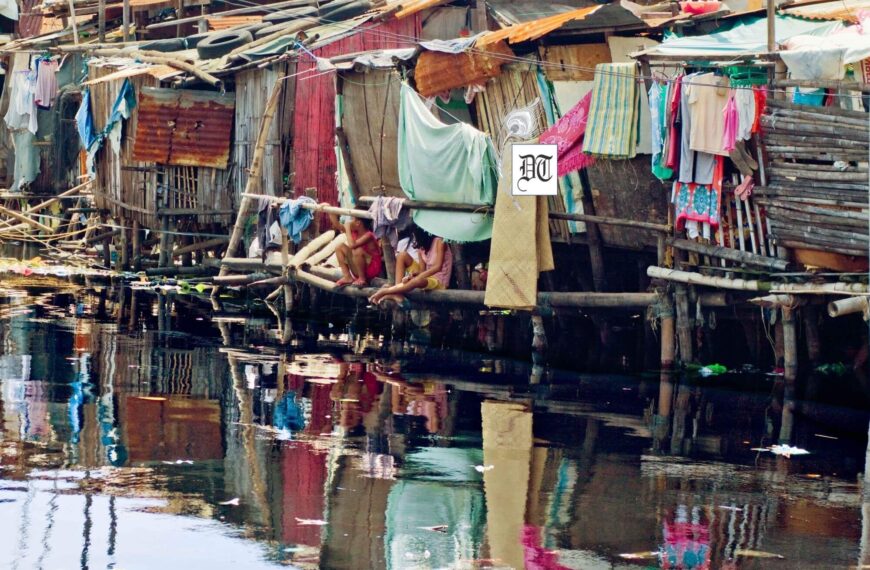
The BMMA office, a small two-storey structure, sits in the heart of the slums of Kherwadi, Bandra East, Mumbai. The day I visited in June 2019, I could see a mile-long queue of parents waiting to get their children admitted to the local municipal school, which offers free education. The signs were clear. This was a place where people fought hard for every essential of life. But nothing could have prepared me for what I witnessed inside the BMMA office, where I could finally meet the women who were always at work on the field but hard to find for the cameras.
The BMMA was formally founded in 2007 – a Muslim Indian women’s organisation with a leadership of 70% Muslim women. 30% of the membership is open to Muslim men and non-Muslims. It has been at the forefront of battles for Muslim women’s personal and professional rights, domestic and political freedoms and equal access to education, employment and healthcare. More prominently in the last decade, the organisation has won landmark legal battles in the banning of Triple Talaq and ensuring access to all places of worship for Muslim women. It has dealt a body blow to regressive sections of the orthodox Muslim patriarchy by reinterpreting the Quran from a feminine perspective, dismantling gender-biased readings of the holy book. The BMMA’s struggle for liberation is waged on two fronts – within the Muslim community and outside the community with other oppressive social, political and economic forces.
While these achievements are there for all to see, the story of the origins of the BMMA is lesser known. It dates back to the fierce 1992-93 riots. Dr Noorjehan Safia Niaz, one of the two founders of the BMMA, comes from an erudite and liberal Muslim family. In the early 90s, after completing her postgraduation from the TATA Institute of Social Sciences (TISS), Mumbai, she gave up a promising government job. She took up community empowerment programmes for the less privileged, especially women.
However, the turning point in her life was the 1992-93 riots, which saw her family being terrorised and forced to give up their home and possessions to relocate to a Muslim ghetto. She had also seen the brave response given by the women of her community. This inspired her to focus on developing the innate leadership skills of these women and enabling them to empower themselves. As she says, “I was inspired by the raw courage of women…we had seen both the vulnerability and the tremendous leadership of the poor Muslim woman…we refuse to be victims of anybody…we talk as equal citizens, as free human beings.” Her resolve was strengthened when she met Zakia Soman, a university professor turned Muslim women’s rights champion.
Zakia came from Ahmedabad, Gujarat, and had been witness to the suffering and the courage of Muslim women in numerous riots during the 1990s and especially in the 2002 Godhra riots. Together, Noorjehan and Zakia gave shape to the BMMA, now a national organisation with thousands of members across almost all the Indian states. As Zakia Soman puts it, “Riots were a part of growing up in Ahmedabad… ghettoisation started in the 80s but intensified after 1990… BMMA was born out of the resilience and anger of Muslim women in relief camps… We are Indian, Muslim, women… BMMA volunteers are trained to immediately respond to riots, curb violence, aid victims, and deal with rioters and state machinery… the most inspirational stories came from the relief camps of 2002… they wanted justice, not charity… BMMA women have made Muslim patriarchy irrelevant…”
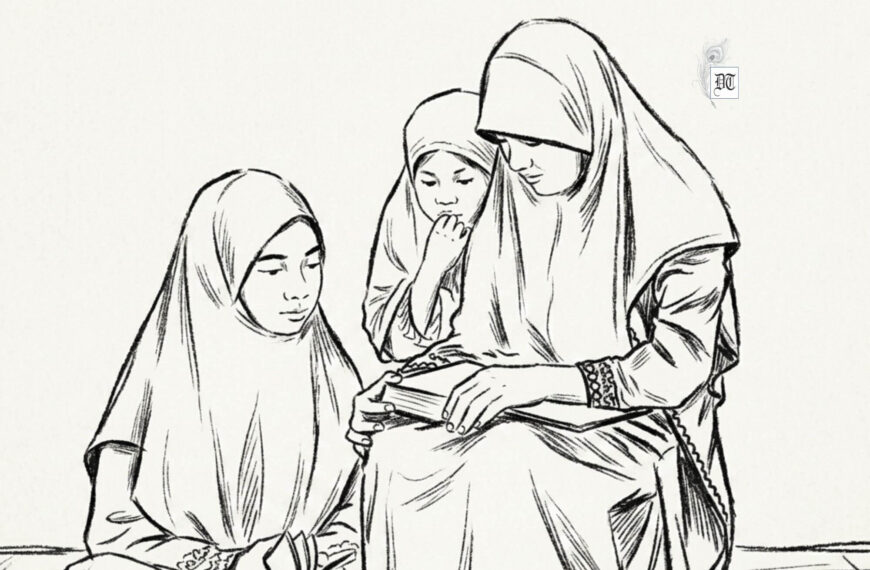
As I continued my long journey inside the small BMMA office, I was in for more surprises! The range of activities carried out by these women was mind-boggling – from counselling and relief centres for victims of domestic violence to awareness campaigns for women’s rights and empowerment, educational programmes for children and youth, and women’s self-help groups manufacturing and selling a range of handicrafts, cloth and household articles. Most heartening to see was the all-women’s Shariat Adalat (Muslim court) – the first of its kind in India, where women’s legal issues were resolved by women social workers/lawyers/religious leaders.
Picture design by Anumita Roy

Dr Rositta Joseph Valiyamattam is a Fellow of the Royal Society of Arts, U.K., a scholar, poet, author and educator with over two decades of experience in higher education. A former visiting research fellow at the University of Edinburgh, she is currently a consultant editor with Orient BlackSwan India and an English faculty member at prestigious institutions in Hyderabad. With a gold medal and doctorate from Andhra University, she has published widely and champions literature, youth engagement, translation, theatre, oratory, and socially committed education.
 By
By