
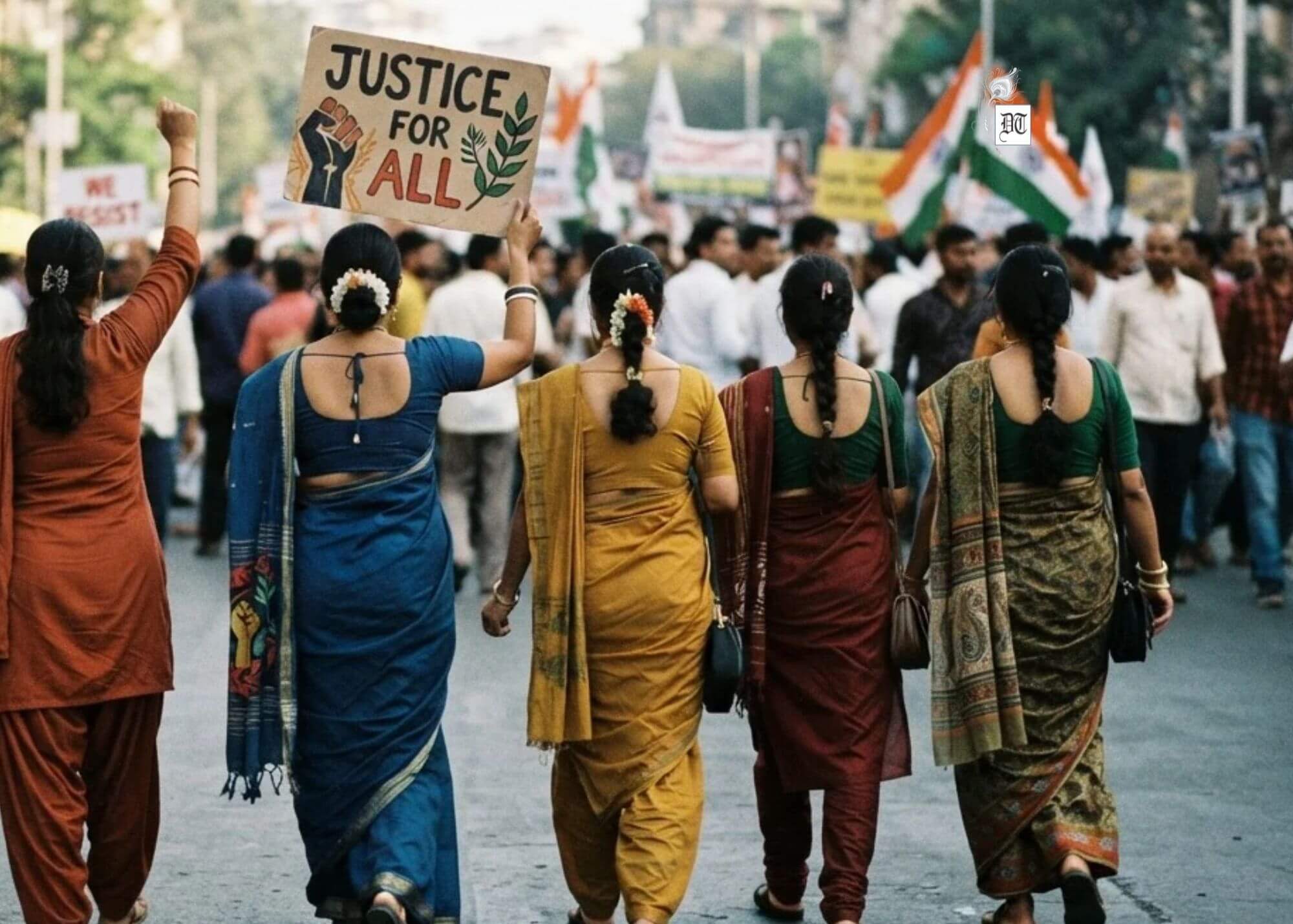
Dr Rositta introduces Ms Sushobha Barve’s inspiring peace journey in Mumbai and South Asia in the first of three parts on DifferentTruths.com.

Key Takeaways
- Pioneer of Reconciliation: Veteran activist Sushobha Barve dedicated her life to fostering peace, dialogue, and community healing across conflict zones in India and South Asia.
- Grassroots Leadership in Mumbai: Barve displayed remarkable courage during the 1992–1993 Mumbai riots, embedding herself in Dharavi to build trust and bridge divides between communities.
- Empowering ordinary masses and grassroots community efforts—especially through brave local women—proved more effective in restoring peace than relying solely on state machinery.
Note: This article, in three parts, chronicles the life of Ms Sushobha Barve, one of India’s exemplary peace activists.
Part One describes Ms Barve’s evolution into a successful peace activist and her crucial role in restoring peace and harmony to riot-torn Mumbai of the 1990s. Part Two continues with the innovative peace initiatives and missions established under her leadership to ensure lasting peace in conflict-torn areas across India. Part Three focuses on the Centre for Dialogue and Reconciliation co-founded by Ms Barve and the Centre’s path-breaking peace missions across India and South Asia.
The views expressed herein are based on the author’s personal perspectives emerging from her extensive interviews with Ms Barve and other published sources listed in the references.
In a world torn apart by hatred and violence, Sushobha Barve stands out as a shining beacon of peace and reconciliation. The entire life of this veteran, a much-beloved and highly respected peace activist, has been dedicated to reconciling communities even in the worst of circumstances and to bringing lasting peace to regions riddled with conflict across the length and breadth of India. When I first interviewed her at length in 2019, and during all my interactions with her to date, I have been struck by her simplicity and accessible nature. I am also awed by her firm determination, her bold, no-nonsense attitude, and her overflowing zest to do more for the sake of humanity. Hers has been a lifelong mission of fostering dialogue and reconciliation, often without any organisational support, in the most challenging conflict zones from Jammu and Kashmir to Bihar, and from Maharashtra to Sri Lanka – all across South Asia. Hers is the saga of a social activist who has always harnessed the immense power of the ordinary masses to solve even the biggest problems, rather than depending on state agencies or government machinery.
Indeed, the story of Sushobha Barve needs to be told wherever human beings desire genuine peace and harmony.
The Makings of an Apostle of Peace
Born in Mumbai in 1949, Sushobha Barve’s upbringing was quite cosmopolitan. She was brought up in a devout, middle-class Hindu family wherein, as she told me, no one, irrespective of religious affiliations, was considered the ‘other’. Though her childhood interactions with Muslims were limited, she was never taught anything negative about them or any other community. Her parents always urged her to speak up for her convictions courageously. She went on to study social work at the prestigious Nirmala Niketan College, Mumbai. Those who know her well fondly recall her transformation from a cheerful, easygoing child to a dynamic leader with a spirit of steel.
Her natural inclination towards social service brought her into contact with the Moral Re-Armament Movement (MRA) that was founded in 1938 by American preacher Frank Buchman and supported by the Oxford group of intellectuals (Oxford University). A spiritual and moral regeneration movement that emerged strongly during the crisis of the Second World War, the MRA aimed at the establishment of communities dedicated to world peace and selfless service. In 2001, the MRA changed its name to Initiatives of Change (IofC), remodelling itself as a global organisation dedicated to building trust across the world’s divides of culture, nationality, belief, and background.
For Barve, who started working with the MRA/IofC in 1969, the initiation into peace-building came at the hands of the MRA’s European peace activists who were involved in the post-Second World War Franco-German reconciliation. As Barve recalls, at an early age, she learnt about the power that human beings can wield when they acknowledge and apologise for the wrongs they have done to each other. She was deeply influenced by her European gurus who had inspired their communities to take responsibility for and overcome their own prejudices. She was driven by the desire to implement this liberal and pragmatic approach to conflict resolution in her own country. The fundamental principle underlying her service was change at the individual level that begins with honest self-examination, repentance for one’s own wrongdoings and reaching out to the opponent. Such self-transformation then becomes a catalyst for wider social change.
While Sushobha Barve would go on to do peace work for Initiatives of Change across India for over thirty years, the real turning point came in 1984 during a train journey amid the anti-Sikh riots. She was appalled to see the members of her very own Hindu community brutalising innocent Sikhs on a train. She had never imagined that such atrocities could happen in India. While she distanced herself from such violent individuals and groups, she was overcome by a sense of guilt. She strongly felt that if some members of her community had been part of the violence, then others of the same community (like her) had to be part of the healing and reconciliation efforts. The habit of taking responsibility for the welfare of her fellow beings came early to Barve. As she told me firmly, “There was no easy way out.”
Years later, in her biographical volume, Healing Streams (2002), Sushobha Barve would recall the impact of those horrendous events: “…we were caught in the bloodiest riots independent India had seen since Partition. The experience was too deeply affecting for me and changed the course of my life … I began to believe that I had been allowed to witness evil. Still, I had been protected from it by some higher power for a purpose… my task was to bridge the gulf between communities and help heal and reconcile different communities at odds with each other, mainly in India but also in South Asia as a whole. As members of the majority community, the onus was on Hindus. During the past eighteen years, I have been led to people and situations in far-flung corners of India—Delhi, Assam, Meghalaya, Manipur, Nagaland, Bhagalpur, Jamshedpur, Allahabad, Mumbai—which have seen terrible violence at different times. I have tried to reach out to the victims of violence in these areas and have been involved in efforts to bring the divided communities closer and help them reconcile, to give solace to them by listening or sharing my own experience or helping with their rehabilitation in some way. As a result, amazing human bonds have been built (‘Healing Streams’, Penguin, 2009, pp. 8, 9). All these experiences convinced her that the Indian public had to be woken up to the poison of religious or communal intolerance that would consume everything if it was not checked immediately.
One of Barve’s earliest forays into conflict resolution, relief and rehabilitation work took place in the aftermath of the bloody Bhagalpur riots in 1989 in Bihar, the outcome of a politically motivated campaign pitting Hindus and Muslims against each other, against the backdrop of efforts to build a Ram temple at Ayodhya on a disputed site occupied by a mediaeval mosque. Thousands were left either dead or injured, especially from the minority Muslim community. Working to bring physical and mental succour to traumatised men, women and children, Barve and her team struggled against all odds to re-establish peace and normalcy. “Working with the Gandhi Peace Foundation and Lutheran World Service, Barve proposed that the key to reconciliation lay first in rehabilitating the local weaving industry. Without the work provided by this major industry, people would lack the resources to support their families, and they might riot again. Within three months, her advocacy resulted in a suite of guaranteed loans and cooperatives to help weavers restart their work. During this time, Sushobha also worked to assess the damage to houses and property and organised teams of volunteers to help with rebuilding” (https://www.ashoka.org/fr-be/pionnier/sushobha-barve).
Bringing Bombay Back to Life: A One-Woman Army
Perhaps one of the greatest contributions by Sushobha Barve came in the aftermath of the deadly Bombay (Mumbai) riots of 1992-1993. During those dark days, Barve was working in Mumbai with ‘Initiatives of Change’. Ever since L.K. Advani’s Rath Yatra started, with the aim of garnering support for building a Ram temple at the spot where the Babri mosque stood (a site supposed to be the birthplace of Lord Rama), both Hindus and Muslims had been apprehensive about the outcomes of this political movement that roused strong religious sentiments. The demolition of the Babri mosque by Hindu extremists on December 6, 1992, was the tipping point and immediately resulted in an atmosphere of terror among the minorities and outbreaks of violent rioting between Hindus and Muslims, mostly incited by antisocial elements with vested interests. Barve’s first feeling was that of utter helplessness; however, within a couple of days, she decided she had to ‘do’ something about the matter. She met the governor of Mumbai, who made her a member of his peace committee and arranged for Barve and her team to visit the most affected areas.
She started with the vast slums of Dharavi. She recalls, “Nothing could have prepared me for the sheer scale of the riots!” Before the Babri demolition on December 6, 1992, there had been instances of anti-Muslim actions from the local administration, including demolitions in Bhendi Bazaar and reports of police officers trampling upon copies of the Holy Quran. However, things went out of control after December 6. Even the police were shocked by the unprecedented violent reactions from the Muslim community, right from Bhendi Bazaar to Mahim. Several Muslims were killed in the police firing that followed.
Before delving into the ugly scene, Sushobha Barve started, as always, with sound, unbiased and ethical convictions: “Whatever might have been the background or the grievances, the demolition of the Babri Masjid was a criminal act by extremist Hindu mobs. As a Hindu myself, I had to take responsibility and also help the victims. I took to the streets, beginning with early morning walks from Mahim to Dharavi.” Barve had no concrete plans, nor was she familiar with the riot-hit areas. The only driving force was her belief that she had to act immediately to stop the violence and to save precious lives. She started staying among Hindu and Muslim slum-dwellers, mostly in Muslim homes in Dharavi, Kumbharwadi and other areas, for weeks together. Her presence comforted terrified citizens, especially Muslims, and also ensured that there were no attacks by violent Hindu mobs. Gradually, Sushobha Barve realised the complex demographics of the area. Dharavi, Mumbai’s largest slum, had troublemakers from both communities, including those with extremist political/religious affiliations. Matters were made worse by criminal elements who took shelter in Dharavi, using the conflict as a cover for executing professional killings.
For over two months, Sushobha Barve made this war zone her home. She walked amid deserted streets littered with debris, glass, stone, and weapons. She decided to take preventive measures. Among her trusted team members were informers like Amina. Amina, a local lady known for petty crimes, ironically unravelled several plots to create conflicts between Hindus and Muslims, including a conspiracy to blow up a Muslim cemetery. Thanks to her tip-offs, Sushobha and the police could together thwart such plans, apart from stopping riots at an early stage, controlling violent youth from both communities, taking the injured to hospitals and secretly identifying and burying the dead so as to prevent further mob fury. Barve recalls, “Amina was such a brave woman; she was blocklisted by the police and ostracised by the community, but she was a great voice for peace. Her entry into crime was the result of her tough life and the compulsion to protect her children in a ruthless world. But people like her were never rewarded for their efforts. She was such a colourful character, a woman of raw courage, who even the police were in awe of.”
There were several such women leaders who risked their lives for peace, among them Mariam Rashid, who now heads the NGO Society for Human and Environmental Development (SHED). Barve reiterates, “I could not have done anything without the help of the dynamic and brave women leaders of the slums like Amina and Treza Killedar, who was first a Shiv Sena worker and later came over to the side of the peacekeepers. The women were not as politically and religiously polarised as the men. However, the Shiv Sena did try to instigate Hindu women into hatred and violence, especially in Koliwada. Ironically, even this did not affect the safety of the Muslims in the area.”
In yet another instance, putting her own life at risk, Sushobha intervened amid agitated Hindu and Muslim leaders, thwarting a conspiracy to burn down a mosque in Koliwada. Assisted by the peacemakers of the slums, mostly women, Barve took the help of the police commissioner to handle the highly volatile situation that could turn into a massacre at any moment. Surprisingly, the police officers who came to the spot were either biased, did not trust Barve, or got cold feet at the last minute. Barve and the women peace activists decided to take control. Weapons and pistols carried by all the men, including the police, were laid out on tables, and Barve started the long process of discussions, negotiations and reconciliation. Even after all the peace activists left, the locals urged Sushobha to stay back in the area. She ended up staying in the home of a Muslim family near the mosque, in an attempt to prevent any rioting or violence. She thus won the trust of both the Hindu and Muslim communities.
The agency of the women in peaceful conflict resolution, rebuilding and rehabilitation was extremely prominent. According to Barve, the fact that uneducated and often illiterate slum women took charge of the situation amid a totally unprecedented crisis was truly exemplary. As a leader of such women, Barve formulated a range of innovative strategies. Like her lady teammates, she showed both courage and discretion; she was brave, not foolhardy. She emphasised, “I never thought of myself as a woman even in the riskiest situations. However, I did enjoy the goodwill of the masses. My resourcefulness and quick thinking were a great shield in times of crisis, and I was able to decide exactly when to approach the police authorities for assistance.”
Barve adds that she has seen such leadership by women in several crises across the country, wherein ordinary women – mothers, wives, sisters – come out into public and take charge of restoring peace and rebuilding the community. Even in Kashmir, the women would come out into the streets (sometimes out of compulsion, but mostly voluntarily) to face the paramilitary forces and initiate negotiations to restore normalcy.
The challenges were daunting in Mumbai. Wave after wave of riots rocked the city through December 1992 and January 1993, culminating in the serial blasts of March 1993 – the brutal revenge of the Muslim underworld against anti-Muslim atrocities. The blasts left Mumbai and its markets crippled. Overall, in Dharavi, it was the local vested political interests that had created polarisation, more than the presence of outside antisocial elements. However, Sushobha Barve was pleasantly surprised that, once the violence had been controlled by the peacekeepers under her leadership, the local Shiv Sena leaders approached her to act as an intermediary for peace talks with the Muslim leaders. The economy of Dharavi was badly affected because of the violence, and both communities could not survive without mutual trust and co-operation. Under Barve’s mediation, the peace talks were held in the clinic of a noted local physician, Dr Qureshi and in the presence of Farooq Sheikh – a famous cinema artist. The gesture of a long peace walk, wherein all the peacekeepers and activists along with local Hindu and Muslim community leaders marched together, crossing into hitherto forbidden exclusive religious zones, ending with a happy reunion, frank camaraderie and hot tea, was a sight to behold. Barve was delighted that she could witness such incredible people’s initiatives for peace and harmony. News of this peaceful revolution spread far and wide, and Hindu and Muslim groups across the city started coming forward for such reconciliatory initiatives, often requesting Sushobha Barve for mediation.
The trauma of these events and the social and economic aftereffects continued for long, sometimes all through the lives of the victims. Women and children, in particular, were severely affected. Barve recalls that, while in conflict-ridden zones such as Kashmir, there was at least some talk of counselling for trauma victims; there was no such initiative in Mumbai in those days, at least from the side of the authorities. Also, while NGOs such as Nirmala Niketan and Tata Institute for Social Sciences (TISS) engaged in counselling services and mental rehabilitation efforts across Mumbai, in Dharavi there was no such agency to offer mental health services. Sushobha Barve, for long days and nights, sat patiently and listened to the painful experiences of scores of victims and gave them the strength to resume normal lives gradually. The victims were also desperate to restart their lives. Her initiatives also resulted in police and other government agencies visiting the area to restore a sense of normalcy.
Unfortunately, Barve reports, the misdeeds of some Hindu policemen gave a bad name to the entire force. However, scores of officers were unbiased, acted professionally and even rescued Muslim women in grave danger. On the other hand, there were also instances of police officers who were traumatised and mentally affected after witnessing unimaginable brutalities. These observations led her to believe that Mumbai, which had lost trust in its police force, had to be rebuilt by rebuilding people-police relations.
(To be continued)
References
Author’s extensive unpublished interviews with Ms Sushobha Barve dated June 25, 2019, July 5, 2019 and October 17, 2019.
‘Healing Streams: Bringing Hope in the Aftermath of Violence’ by Ms Sushobha Barve, Penguin Books, 2003
https://cdr-india.org.in/index.html
https://www.ashoka.org/fr-be/pionnier/sushobha-barve
https://thewire.in/rights/kashmir-is-in-a-lockdown-within-the-lockdown-this-must-end-now
https://thewire.in/politics/ramzan-ceasefir-shujaat-bukhari-bjp-pdp-kashmir
https://sabrangindia.in/kashmir-moral-dimension
https://sabrangindia.in/message-bangladesh
https://en.wikipedia.org/wiki/Centre_for_Dialogue_and_Reconciliation
https://www.dw.com/en/india-pakistan-crisis-deepened-by-lack-of-informal-diplomacy/a-72687265
https://sabrangindia.in/breaking-barrier/what-we-learnt-process
https://reliefweb.int/report/india/across-line-control-real-stakeholders-peace
https://www.mumbaimirror.com/opinion/finding-a-place-in-the-middle-700043
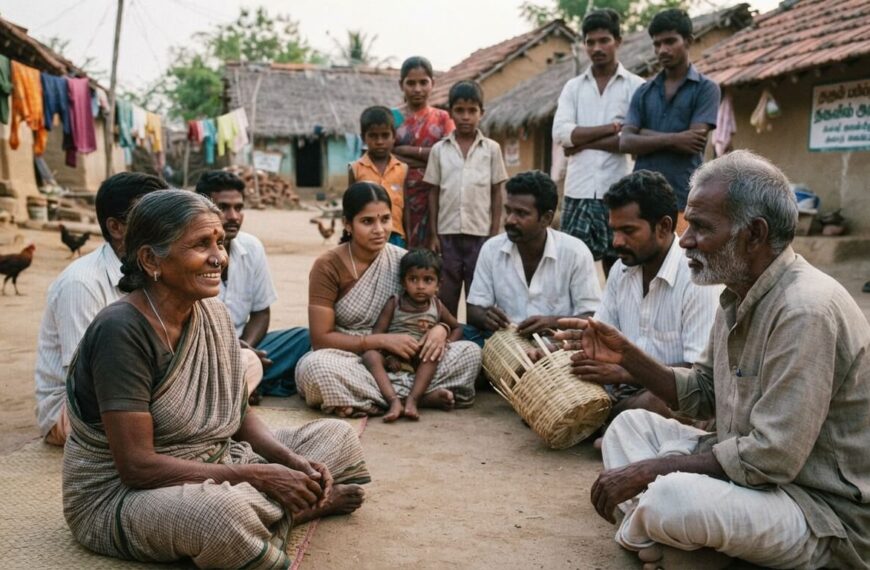
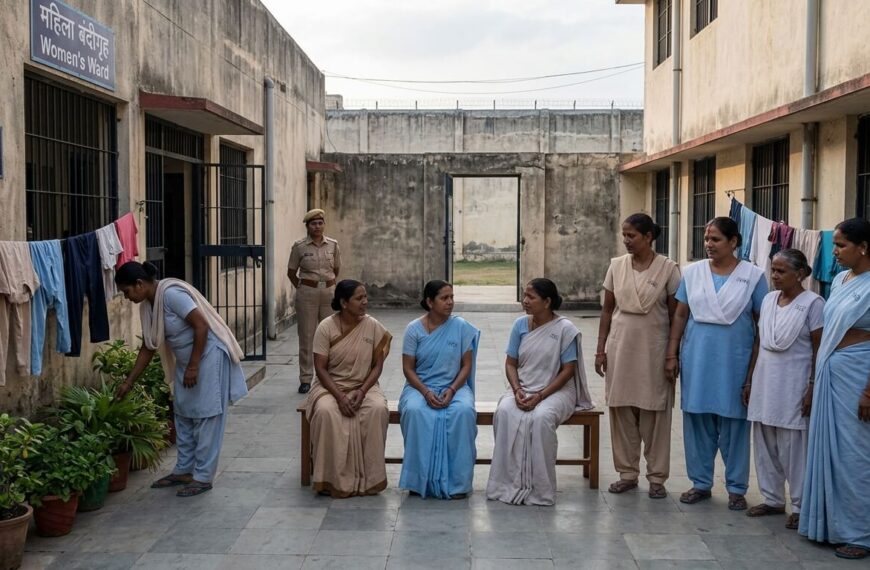
Picture design by AI as a representation of the content

Dr Rositta Joseph Valiyamattam is a Fellow of the Royal Society of Arts, U.K., a scholar, poet, author and educator with over two decades of experience in higher education. A former visiting research fellow at the University of Edinburgh, she is currently a consultant editor with Orient BlackSwan India and an English faculty member at prestigious institutions in Hyderabad. With a gold medal and doctorate from Andhra University, she has published widely and champions literature, youth engagement, translation, theatre, oratory, and socially committed education.
 By
 By
 By
 By