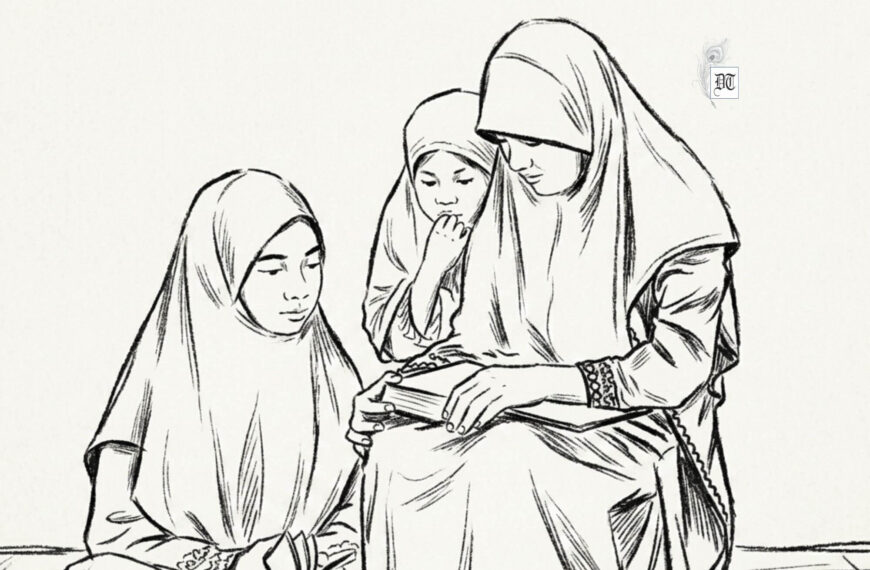
Dr Madhumita, on DifferentTruths.com, advocates for strong women’s legal awareness, fostering a just and equitable society.
AI Summary
- Lack of legal knowledge hinders women’s empowerment and access to justice.
- Education and support systems are crucial for promoting legal awareness.
- Social change and community engagement are vital alongside legal literacy.
Legal awareness among women is an essential component of a just and equitable society. It refers to the understanding of legal rights, duties, and protections available to women under the law. In many societies, especially in developing countries like India, women often face discrimination, violence, and inequality due to social, cultural, and economic factors. In such circumstances, legal awareness becomes a powerful tool that enables women to recognise their rights, protect themselves from injustice, and actively participate in social and economic development.
One of the major challenges in ensuring women’s empowerment is the lack of knowledge about legal rights. Many women are unaware of the laws that protect them from exploitation and discrimination. For instance, Indian law provides several legal protections for women, including the Protection of Women from Domestic Violence Act (2005), the Dowry Prohibition Act (1961), the Sexual Harassment of Women at the Workplace Act (2013), and provisions related to women’s safety in the Indian Penal Code. However, these laws can only be effective when women are aware of their existence and understand how to use them. Without legal awareness, women may continue to suffer injustice silently because they do not know where or how to seek help.
Legal awareness also plays an important role in promoting gender equality. When women understand their legal rights, they become more confident in asserting their position within the family and society. Awareness about property rights, inheritance laws, and employment rights enables women to claim their fair share of resources and opportunities. For example, the Hindu Succession (Amendment) Act, 2005, granted daughters equal rights in ancestral property. Many women, however, still do not benefit from this law due to a lack of awareness or social pressure. Increasing knowledge about such legal provisions can help women challenge discriminatory practices and claim their rightful entitlements.
Education is a key factor in improving legal awareness among women. Literacy and access to education enable women to understand legal information and communicate effectively with authorities and institutions. Educated women are more likely to report crimes, seek legal advice, and demand justice. Therefore, expanding access to education among women, especially in rural and marginalised communities, is essential to strengthening their legal empowerment. Educational institutions, social organisations, and government agencies can play a vital role in conducting awareness programmes, workshops, and legal literacy campaigns.
Another important aspect of legal awareness is access to legal assistance and support systems. Many women hesitate to approach the legal system due to fear, social stigma, or financial constraints. To address this issue, the government and various non-governmental organisations have established mechanisms, including legal aid services, women’s helplines, and protection officers. These services aim to provide free legal assistance, counselling, and support to women who are victims of violence or discrimination. Legal awareness programmes should also inform women about these support systems so that they can seek help when needed.
Media and digital platforms also play a significant role in promoting legal awareness. Television programmes, social media campaigns, and online resources can effectively spread information about women’s rights and legal protections. In recent years, digital initiatives have helped reach a wider audience and educate women about issues such as cybercrime, online harassment, and digital safety. By using modern communication tools, legal information can be made accessible to women across different regions and social backgrounds.
However, legal awareness alone is not enough; it must be accompanied by social change and institutional support. Patriarchal attitudes and traditional norms often discourage women from asserting their rights. In many cases, families and communities pressure women to remain silent about injustice to preserve social reputation. Therefore, it is necessary to create a supportive environment where women feel safe and confident in seeking legal protection. This requires the cooperation of society, government institutions, and civil society organisations.
Furthermore, community-based awareness programmes can be highly effective in spreading legal knowledge among women. Workshops conducted at the village or neighbourhood level, the involvement of local leaders, and the participation of women’s self-help groups can help foster a culture of legal awareness. When women collectively understand their rights, they are better able to support each other and resist injustice.
In conclusion, legal awareness among women is a fundamental step toward achieving gender equality and social justice. It empowers women to understand their rights, challenge discrimination, and participate actively in society. Education, awareness campaigns, legal aid services, and supportive social environments are essential for promoting legal literacy among women. By ensuring that women are informed about their rights and legal protections, society can move closer to a future where women live with dignity, security, and equal opportunities.
Picture design by Anumita Roy

Dr Madhumita Ojha, a Hindi literature scholar, specialises in folk literature, cultural studies, gender, and marginalised narratives. She earned an MA and PhD in Hindi from Presidency University, plus a BEd from Mahatma Gandhi International Hindi University, Wardha. Author of Folk Literature and Culture, she has published extensively on Kinnar narratives, LGBTQ representation, women’s studies, and Dalit literature. She serves as a guest lecturer at the Hindi University, Howrah, Kolkata.



 By
By
 By
By