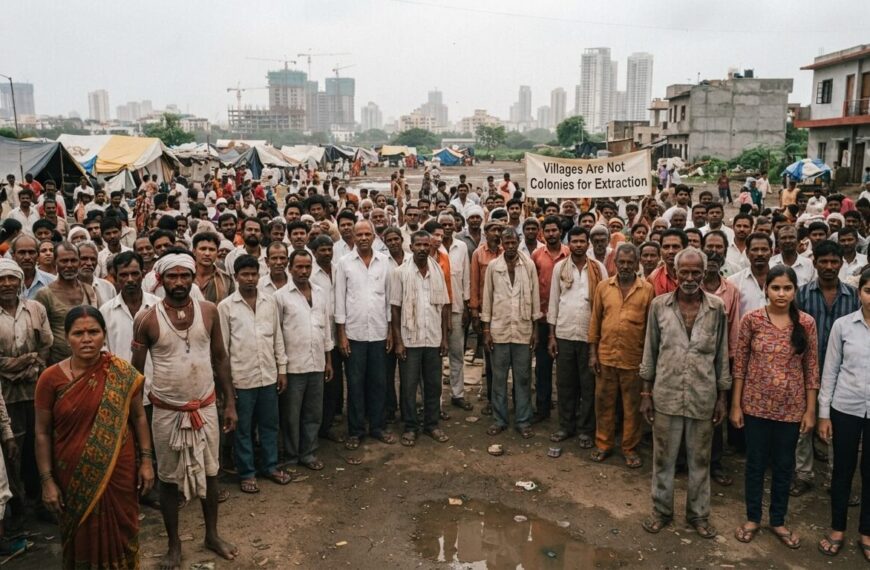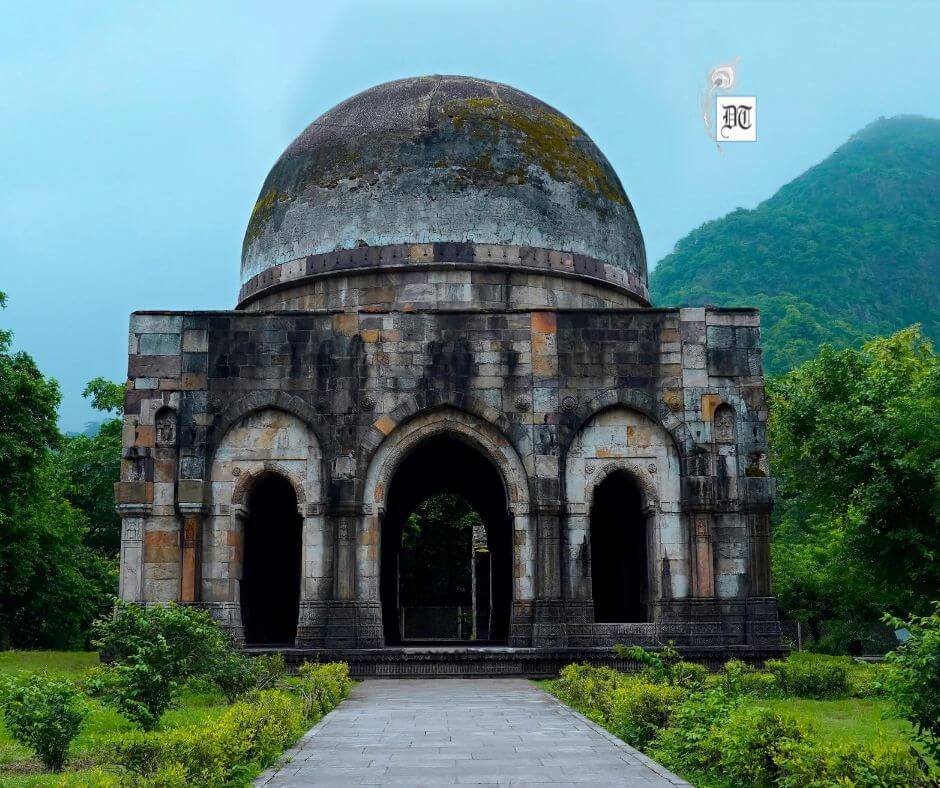
Rita explores the untold sagas of India’s indigenous empires, reclaiming a millennia-old legacy that flourished long before and far beyond colonial narratives for Different Truths.

For decades, the corridors of Indian historiography have been dominated by the 350-year saga of the Mughal Empire. While their contribution to the Indian subcontinent is undeniable, this singular focus has inadvertently cast a long shadow over other monumental dynasties that shaped the soul of Bharat for millennia. To understand the true depth of India, one must look beyond the familiar minarets and explore the vast, often neglected, landscapes of our indigenous empires.
While the Mughals ruled for three centuries, the Chola Dynasty thrived for nearly a thousand years. As a maritime superpower, the Cholas didn’t just rule South India; they extended India’s cultural and economic footprints across Southeast Asia. Similarly, the Ahom Dynasty of Assam stands as a symbol of unparalleled resilience, successfully repelling foreign invasions and maintaining sovereignty for 600 years, a feat rarely given its due in national textbooks.
From the architectural marvels of the Chalukyas and Pallavas to the scientific and cultural renaissance under the Vijayanagara Empire, India was a mosaic of sophisticated governance and military brilliance long before the 16th century.
However, a critical observation reveals a paradox: the Central Asian regions, from where the Mughals originated, lack the architectural prototypes found in India. What we celebrate as Mughal splendour is, in many ways, an evolution of indigenous Indian craftsmanship. In many instances, these structures were built upon the foundations or ruins of pre-existing Hindu temples and monuments, carrying forward a continuity of Indian skill rather than a purely imported aesthetic.
The narrative of “civilising the East” was a strategic tool used by the British to justify their colonial occupation. British historians often portrayed India as a land of chaos that needed “enlightenment”. Yet, history tells a different story.
When Europe was struggling with the basic tenets of formal education, India was already home to the world’s oldest international universities. Takshashila, Nalanda, and Vikramshila were not just schools; they were global centres of philosophy, medicine, and mathematics. The irony is stark: the colonisers claimed to bring education to a land that had perfected the art of knowledge-sharing while their own ancestors were in the primal stages of civilisation.
The systematic erasure of India’s indigenous glory was a calculated move by colonial and post-colonial historians to create a specific political lens. By narrowing the focus to the Mughal and British eras, the multi-millennial achievements of Indian scientists, philosophers, and kings were pushed into the background.
Indian history is not the story of a single dynasty or a series of foreign conquests. It is a vibrant, multi-layered tapestry of resilience, intellectual triumph, and indigenous strength. It is time for our educational systems and global narratives to acknowledge the Rashtrakutas, the Cholas, the Ahoms, and the Guptas with the same fervour we accord to the later empires.
Only by reclaiming these lost chapters can we truly understand the identity of India, a civilisation that was, and remains, a beacon of knowledge and power for the world.
Picture design by Anumita Roy

Born in Shillong, Rita Biswas Pandey’s diverse career spans education and corporate life. A North Eastern Hill University graduate, she holds multiple certifications in social welfare and computer studies. Retiring from UPS to pursue her passion, now a Delhi resident, is a published author (Tinkonya, Yuddha and Kabita somogro ). She also enjoys singing, poetry recitation,sketches, cooking, photography, Blogging and vlogging, sharing her life with her husband, Vinod, and their beloved pet, Titu.


 By
By
 By
By