
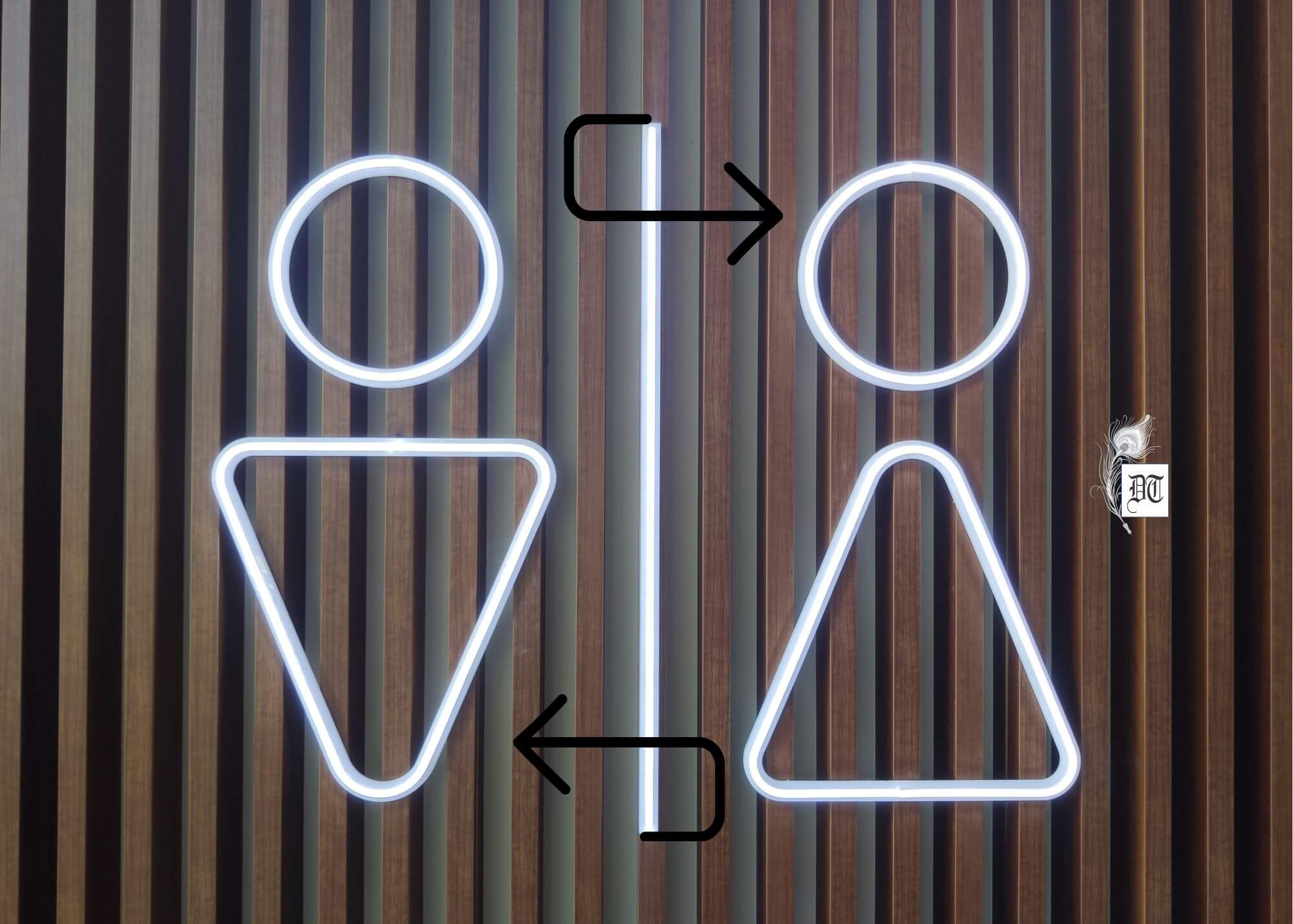
Concetta delves into gender fluidity, a concept encompassing societal influences and the diverse experiences of individuals identifying as gender-fluid, exclusively for Different Truths.

Take a moment to reflect on your gender. Do you identify as a woman, a man, or another gender? How do you express your gender to others through your appearance or behaviour? Has your understanding of your gender remained the same, or has it evolved?
These questions are valuable for anyone, but they are particularly relevant when considering how gender identity and expression can shift as children grow. They may also resonate deeply with adults who experience changes in their own identity or expression.
What is Gender Fluidity?
Gender fluidity refers to the experience of change in gender identity, gender expression, or both. While some individuals identify as cisgender—meaning their gender identity matches the sex assigned to them at birth—others find that their gender identity or expression is more flexible. These changes may occur over time or persist as a lifelong experience.
Some individuals identify explicitly as “gender-fluid,” a term that falls under the broader umbrella of transgender and nonbinary identities. While nonbinary individuals do not fit into strict cultural categories of male or female, gender-fluid individuals may shift between identities, expressions, or both. However, not everyone who experiences fluidity identifies as gender-fluid, nor does every gender-fluid person pursue medical interventions such as hormone therapy or surgery.
How Gender Identity Develops
A person’s sense of gender identity typically begins forming around the age of two or three. This development is shaped by multiple influences, including family, community, and the broader societal and historical context. Each of these factors carries different expectations regarding gender roles and expression.
For instance, a child raised in a family that embraces gender diversity may feel free to explore different expressions at home. However, if their community enforces rigid gender norms, they may feel pressure to conform outside of their home environment. Over time, these external influences may shape whether a person embraces their gender identity openly or suppresses aspects of it.
This is the first in a series exploring gender fluidity and its broader implications. I welcome questions on this topic and look forward to addressing them in future discussions.
Reference:
Katz-Wise, Sabra L. PhD, Gender fluidity: What it means and why support matters. December 3, 2020. Harvard Health Publishing. https://www.health.harvard.edu/blog/gender-fluidity-what-it-means-and-why-support-matters-2020120321544.
Picture design by Anumita Roy

Concetta Pipia is retired from environmental design, law, and business. She turned to writing and founded the Aspiring Writers’ Society and its e-zine, the AWS e-zine, where she is co-editor. Her poetry has been published in various anthologies, including “Expressions on War,” “Purush Anthology,” “Poetry on a Plate with Spicy Mango,” etc., and e-literary magazines, including “Different Truths.” Concetta is a certified well-life coach who loves horticulture and dogs.


 By
By
 By
By
 By
By
 By
By