
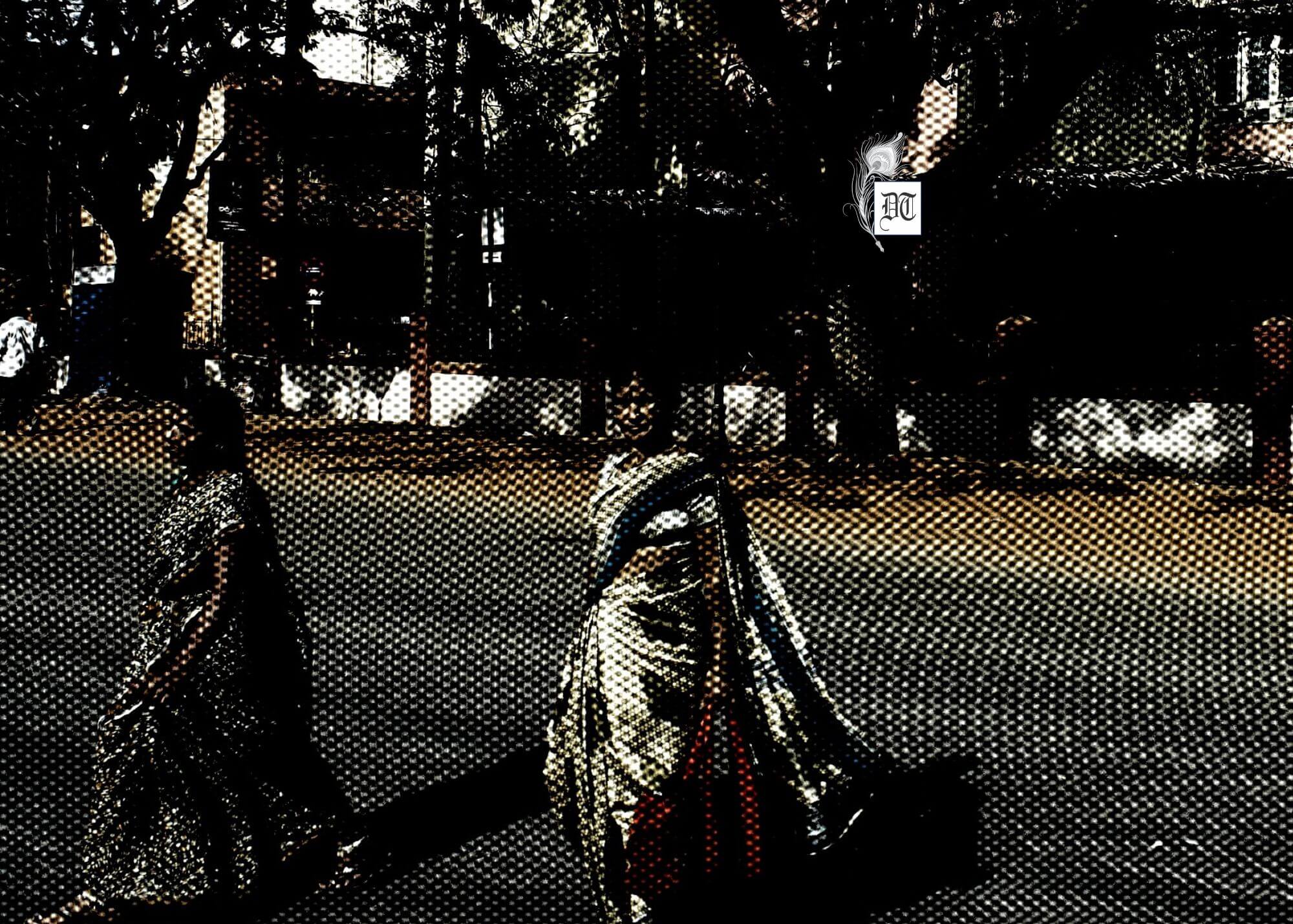
Dr Rositta reports for DifferentTruths.com: Ordinary Mumbai slum women became extraordinary leaders during the 1992–93 riots, the first of three parts.

AI Summary
- Resilience Amidst Chaos: Ordinary homemakers in Mumbai’s slums faced horrific violence during the 1992-1993 riots yet rose to protect their communities.
- Active Resistance: These women organised human shields, managed relief efforts, and maintained neighbourhood vigils to combat both rioters and state-led aggression.
- Legacy of Leadership: Beyond immediate survival, these women championed long-term reconciliation, conflict resolution, and a sustained fight against patriarchy and bigotry.
Imagine living in the midst of one of the world’s most populated slum areas and struggling for the essentials of life. Fighting numerous everyday battles against exploitation, poverty, gender discrimination and ignorance to survive. If this is not challenging enough, visualise, in addition to all this, being pitted against violent religious extremism. Being attacked by rioters and fundamentalist goons and by police officers and state agents – all in the name of religion and losing your home, your job, your belongings, your near and dear ones, your dignity and security – overnight. What would be your immediate response?
Hundreds of women, especially from the minority community, faced these situations during the 1992-1993 riots in Bombay (now Mumbai). They not only suffered but also struggled for change; they not only coped with the trauma but also worked to rebuild and to reconcile homes and communities. They overcame personal tragedy to emerge as community leaders who silently transformed the world around them.
These were ordinary homemakers, most of them in purdah, their lives confined to the four walls, their existence spent in running the home and the hearth. Until those fateful days in December 1992, when their world came crashing down. Until they had witnessed and experienced everything horrible, from arson to murder, looting to molestation, and mob fury to terror unleashed by right-wing organisations and the police forces loyal to or dominated by them.
As news of the Babri Mosque demolition in Ayodhya filtered into Bombay on the evening of December 6, 1992, riots broke out between the two communities. While Muslim leaders and gangsters came out with angry protest marches which turned ugly, almost all the large-scale riots in the slums were well orchestrated by right-wing Hindu militant organisations led by the Shiv Sena, the dominant political party in the region. Even as extremists unleashed their fury, police officers openly pledged loyalty to their community and targeted the minorities from the other end. Scores of poor and middle-class Muslim families were trapped between the torches and knives of the extremist goons and the bullets of the police officers. The physical and material damage was immense. But the trauma and terror were indelible. The already backward community was forced into even more backward ghettoes and refugee camps.
This is perhaps the story of many riots that have and continue to plague various parts of the country. But in this story of the slums of Bombay, something turned out to be very different. The women fought back. They fought back fiercely. They threw off the mantle of helplessness and fought to save their men and children, their families and neighbours. As rioting continued unabated, women decided to take matters into their own hands. They would form human shields and chains to confront rioters and police officers and prevent their menfolk from venturing outside. Often, these strategies helped to disperse both rioters and police officers, but sometimes things turned ugly, and they had to face bullets as well. They were the ones who went out during curfews and into burning streets to gather essential supplies for their families. Women organised round-the-clock vigils to alert their neighbours and localities about the arrival of rioting goons. They kept watch the whole night, comforting and encouraging each other, stopping rumour-mongering and inflammatory comments and preventing any harm to their neighbourhoods. There were many instances of women from both communities supporting and protecting each other’s families from riotous mobs using a host of tactics.
Apart from all this, perhaps the greatest contribution was in the area of relief work. Women gathered to pool supplies from their own meagre resources, from generous patrons, NGOs, and government agencies, and to distribute them to those in need. Almost every relief camp in Bombay was led by women across classes and communities, and women from minority communities in the slums and chawls played a remarkable role. When it was time to rebuild damaged houses and neighbourhoods, to fight with state agents for compensation for various kinds of losses, and to testify against perpetrators, again it was the women who came forward.
Above all, women knew the value of negotiation, conflict resolution, reconciliation, and forgiveness. They took the lead in organising various neighbourhood committees that met regularly and allowed people from both communities, victims and attackers, to air their grievances, to seek and to offer forgiveness, to resolve issues amicably, and to admit that, in the struggle for a good life, unity mattered most for them, not political manipulations. They took care that their children were brought up to mingle with children from other communities and not in an atmosphere of fear and hatred. Special trips and activities were arranged for children. All this was done using the resources put together by women.
However, what strikes one as most remarkable is that these ordinary women emerged as extraordinary family and community leaders. They have continued the fight against everyday communalism, narrow-mindedness, bigotry and patriarchy to this day.
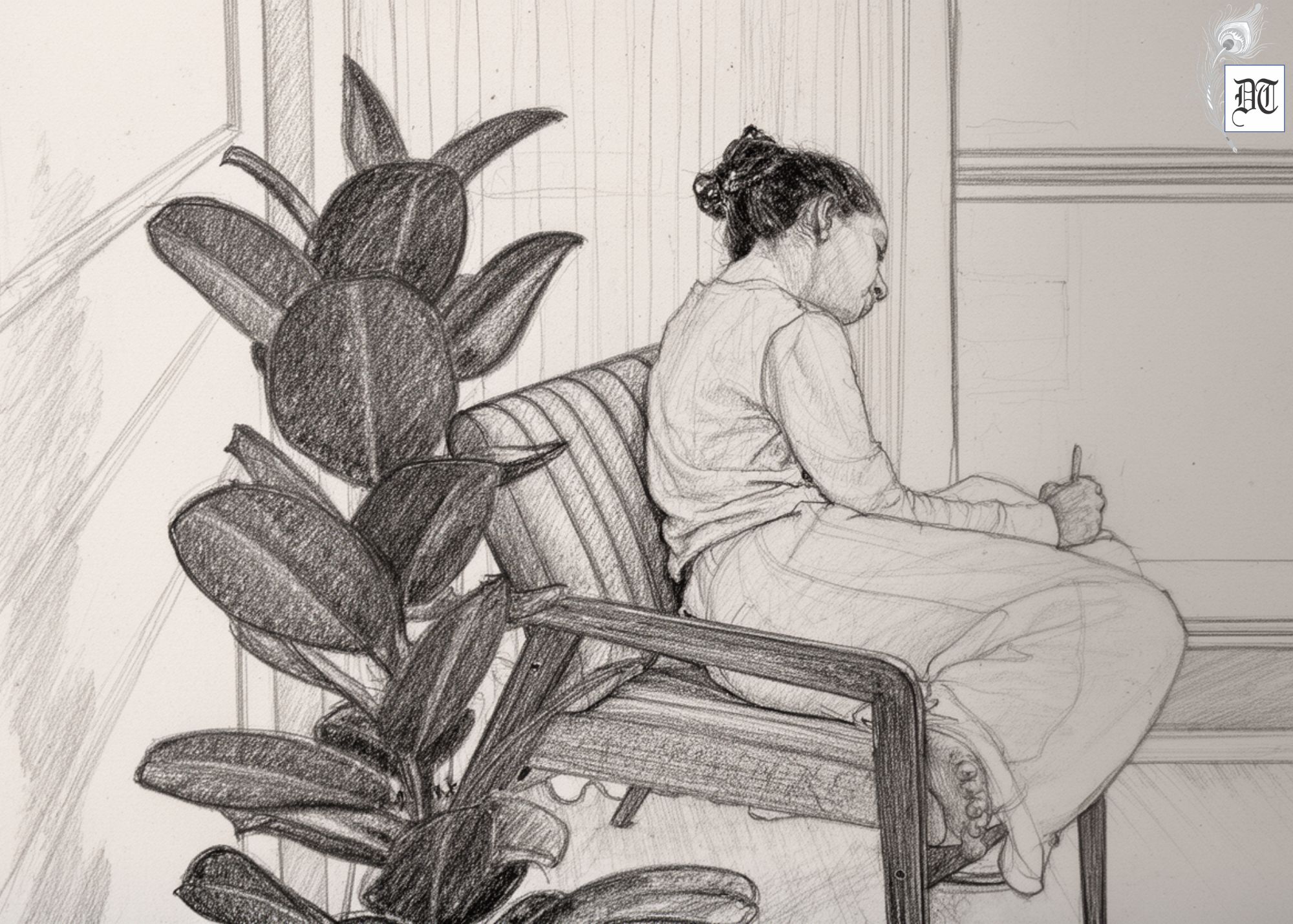
Picture design by Anumita Roy

Dr Rositta Joseph Valiyamattam is a Fellow of the Royal Society of Arts, U.K., a scholar, poet, author and educator with over two decades of experience in higher education. A former visiting research fellow at the University of Edinburgh, she is currently a consultant editor with Orient BlackSwan India and an English faculty member at prestigious institutions in Hyderabad. With a gold medal and doctorate from Andhra University, she has published widely and champions literature, youth engagement, translation, theatre, oratory, and socially committed education.

 By
By
 By
By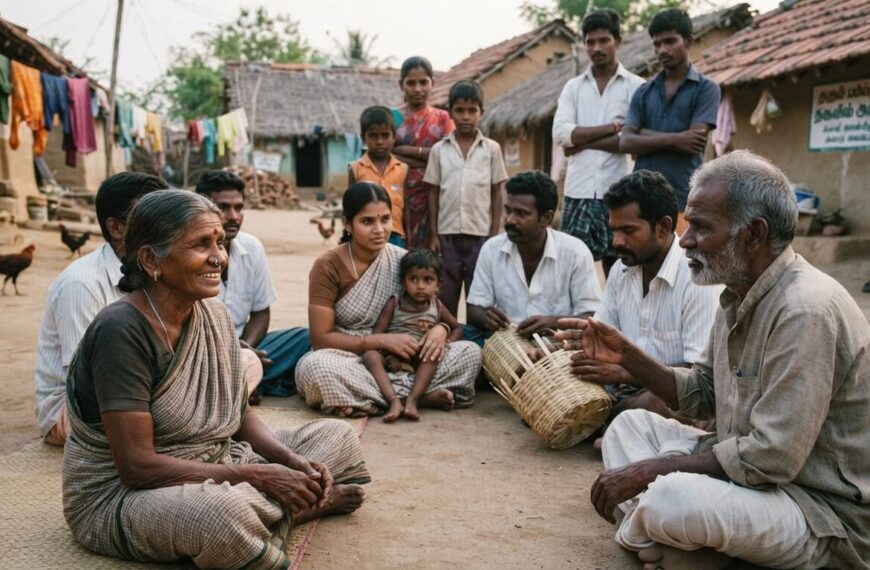
 By
By
 By
By