
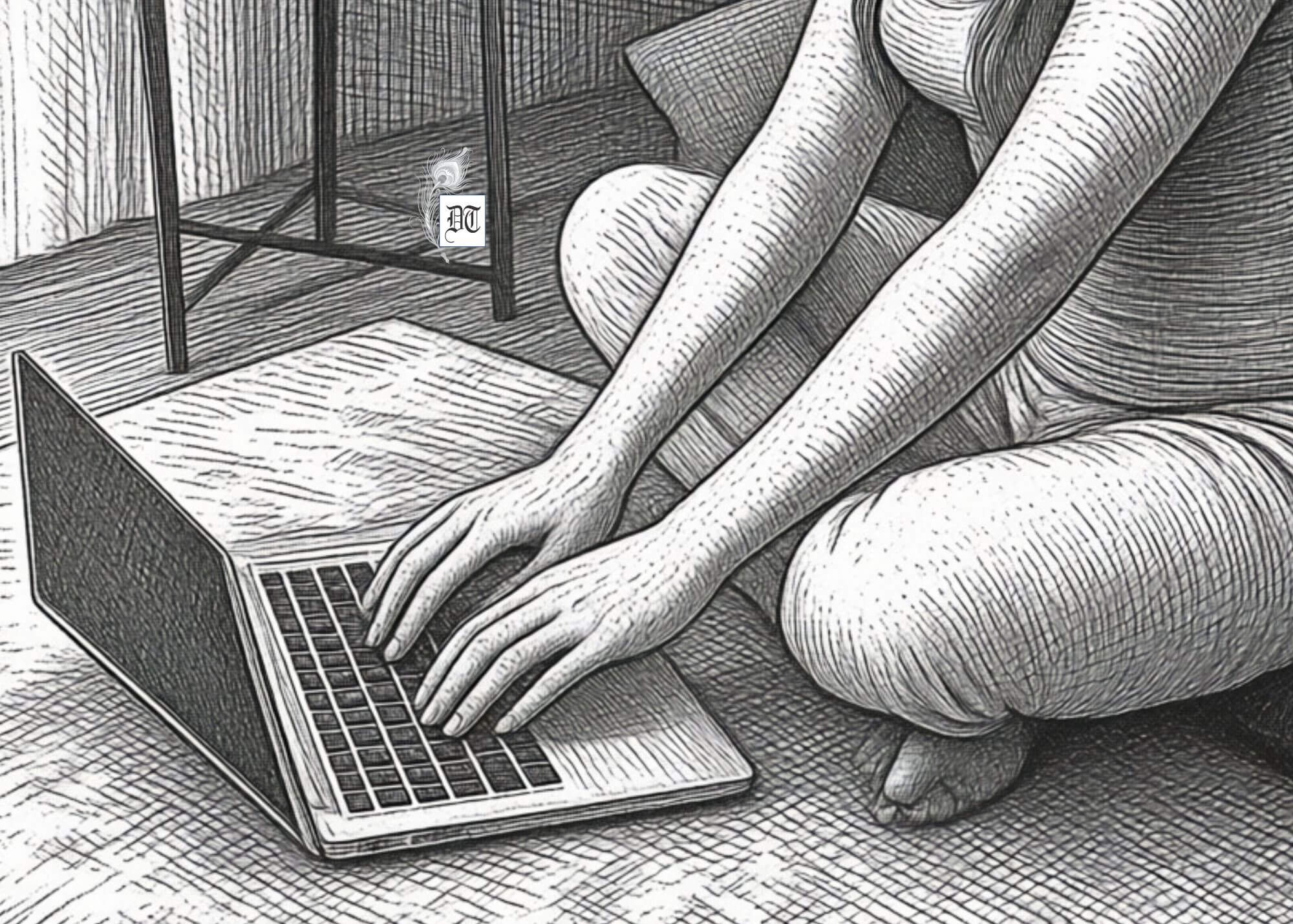
Dr Madhumita examines the alarming rise of deepfakes and digital exploitation in this critical analysis for DifferentTruths.com.
AI Summary
- Targeted Misuse: Deepfake technology increasingly targets women, manipulating social media images to create non-consensual, explicit, or harmful content.
- Devastating Impact: Victims face severe psychological trauma, social stigma, and damaged reputations due to highly convincing, fabricated visuals.
- Urgent Intervention: Countering this threat requires robust legal frameworks, advanced AI detection tools, and a shift toward victim-supportive societal attitudes.
In the rapidly evolving digital world, technology has transformed the way people communicate, create, and share information. Artificial Intelligence (AI) has made remarkable contributions to fields such as medicine, education, and entertainment. However, alongside these benefits, certain technological developments have also created new ethical and social challenges. One such troubling development is deepfake technology, which has recently emerged as a serious threat, particularly to women. Reports suggest that cases of deepfake content in India have increased dramatically, with women becoming the primary targets of this digital misuse.
Deepfake technology uses artificial intelligence to manipulate images, audio, and videos so convincingly that they appear real. By using advanced machine learning algorithms, a person’s face or voice can be digitally altered and placed onto another body or video. While the technology was initially developed for creative and experimental purposes—such as film editing or digital animation—it is increasingly being misused to create misleading, harmful, or explicit content.
In many cases, photographs or videos of women available on social media platforms are manipulated to produce fake videos with inappropriate or obscene content. These altered visuals are then circulated widely across the internet, often without the consent or knowledge of the person whose image has been used. The consequences of such misuse are devastating. A woman whose image is manipulated through deepfake technology may face humiliation, social stigma, and psychological trauma. Her reputation, relationships, and professional life can be severely affected by something that is completely fabricated.
The problem becomes even more alarming because deepfake content spreads rapidly across digital platforms. Once such content appears online, it becomes extremely difficult to remove it completely. Even if the original post is deleted, copies may continue to circulate on different websites, messaging platforms, or social media accounts. This persistent digital footprint can make the victim feel helpless and vulnerable.
Another challenge is the difficulty in proving that a video is fake. Deepfake technology has become so sophisticated that distinguishing between real and manipulated content can be extremely difficult for ordinary viewers. As a result, many people may believe the fabricated content to be genuine. This leads to a dangerous environment where misinformation can damage an individual’s dignity and identity.
Women are particularly vulnerable to this form of digital exploitation because society often judges women more harshly in matters related to morality and reputation. In many cultures, including parts of India, a woman’s social standing can be significantly affected by rumours or misleading visuals. Therefore, when deepfake technology is used to create false narratives about women, the emotional and social consequences become even more severe.
Moreover, the psychological impact on victims is often overlooked. Women targeted by deepfake videos may experience anxiety, depression, fear, and loss of self-confidence. The feeling that one’s identity has been digitally manipulated and publicly exposed can cause long-lasting emotional distress. Some victims may withdraw from social media entirely, while others may hesitate to participate in professional or public spaces due to fear of further harassment.
Addressing this issue requires a collective effort from governments, technology companies, and society as a whole. Legal frameworks must be strengthened to deal specifically with deepfake-related crimes. Strict cyber laws and faster legal procedures can help ensure that offenders are held accountable. At the same time, technology companies must develop better detection systems to identify and remove manipulated content quickly.
Public awareness is equally important. People must be educated about the existence and dangers of deepfake technology so that they do not blindly trust everything they see online. Media literacy can help individuals recognise suspicious content and prevent the spread of misinformation.
Most importantly, society must learn to support victims rather than blame them. Women who become targets of digital manipulation should not face judgement or isolation. Instead, they should receive empathy, legal assistance, and psychological support.
Deepfake technology represents one of the most complex challenges of the digital era. While technological innovation continues to shape our future, ethical responsibility must keep pace with these advancements. Protecting women’s dignity and identity in the digital world is not only a matter of cybersecurity—it is also a matter of human rights, justice, and social responsibility.
Only through awareness, legal action, and collective responsibility can society ensure that technology remains a tool for progress rather than a weapon of exploitation.
Picture design by Anumita Roy

Dr Madhumita Ojha, a Hindi literature scholar, specialises in folk literature, cultural studies, gender, and marginalised narratives. She earned an MA and PhD in Hindi from Presidency University, plus a BEd from Mahatma Gandhi International Hindi University, Wardha. Author of Folk Literature and Culture, she has published extensively on Kinnar narratives, LGBTQ representation, women’s studies, and Dalit literature. She serves as a guest lecturer at the Hindi University, Howrah, Kolkata.



 By
By
 By
By
 By
By
 By
By