
Rita explores the transformative impact of the ITO skywalk, a crucial urban landmark, in this exclusive report for DifferentTruths.com.

AI Summary
- Safety & Connectivity: The 615-metre structure links major roads and transit hubs, securing safe passage for 30,000 daily commuters.
- Modern Infrastructure: Features public amenities like seating and kiosks, evolving beyond a traditional bridge into a functional urban space.
- Engineering Milestone: A ₹54.34 crore project successfully navigating dense utilities to decongest one of Delhi’s busiest traffic junctions.
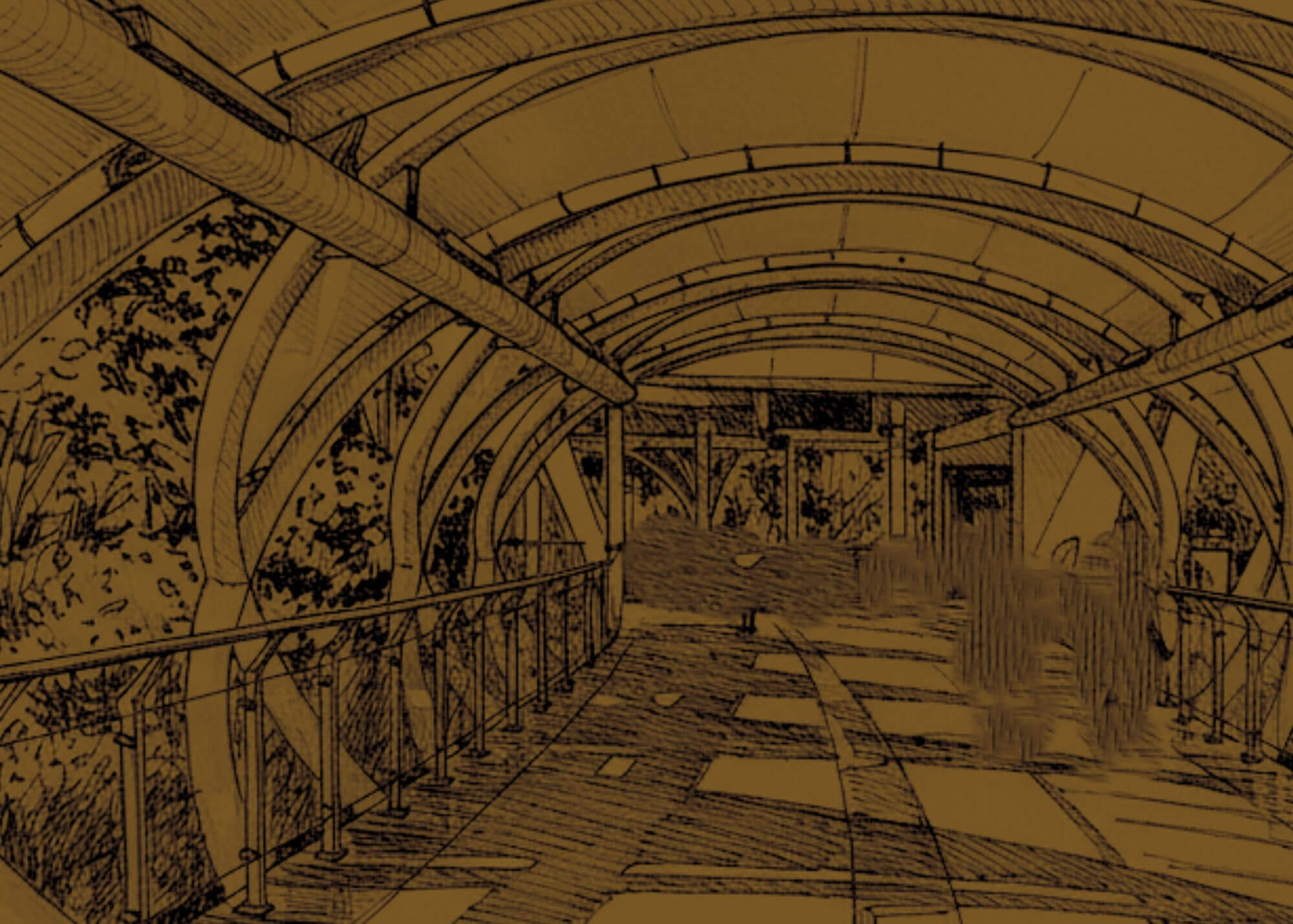
The mega skywalk at the Income Tax Office (ITO) in central Delhi now stands as a vital infrastructure landmark, successfully decongesting one of the city’s most chaotic traffic junctions. Connecting major arteries like Sikandara Road, Tilak Marg, Mathura Road, and Bahadur Shah Zafar Marg, this 615-meter structure provides a seamless and safe passage for over 30,000 pedestrians every day. By linking the Pragati Maidan Metro station directly to the Tilak Bridge Railway Station and nearly 25 major office complexes, it effectively eliminates the safety risks previously faced by commuters navigating the high-speed traffic at the W-point crossing.
Unlike a traditional foot-over-bridge, this expansive skywalk is designed as a functional public space, equipped with canopies, seating areas, and food kiosks to enhance the commuter experience. Its four strategic arms ensure comprehensive connectivity: one leads to the Mathura Road bus stand, another descends near Lady Irwin College, a third provides access to both the Bal Gangadhar Tilak statue and the Institute of Archaeology, while a fourth ramp serves devotees and commuters near the Hanuman Temple. Additionally, a supporting foot-over-bridge near Hans Bhawan further streamlines movement along Bahadur Shah Zafar Marg.
The completion of this ₹54.34 crore project represents a significant engineering achievement, especially considering the complexities of working around dense underground utilities and maintaining traffic flow at one of Delhi’s busiest intersections. Today, the skywalk serves as a model for urban mobility, transforming a high-pressure transit zone into an organised, pedestrian-friendly environment that caters to the diverse needs of office goers, students, and daily travellers alike.
Sketche made by AI

Born in Shillong, Rita Biswas Pandey’s diverse career spans education and corporate life. A North Eastern Hill University graduate, she holds multiple certifications in social welfare and computer studies. Retiring from UPS to pursue her passion, now a Delhi resident, is a published author (Tinkonya, Yuddha and Kabita somogro ). She also enjoys singing, poetry recitation,sketches, cooking, photography, Blogging and vlogging, sharing her life with her husband, Vinod, and their beloved pet, Titu.


 By
By
 By
By
 By
By
 By
By