

Ruchira shares a powerful reflection on societal insensitivity, everyday empathy, and public decorum on DifferentTruths.com.
AI Summary
· Pregnancy Commute Struggles: The author recounts her challenging daily public transit commutes during her pregnancy, highlighting the glaring lack of basic courtesy, empathy, and seat-sharing from fellow commuters.
· Post-Surgery Stigmas: Sharing her vulnerable experiences recovering from a hip replacement, she exposes the hurtful public whispering, mockery, and outright arrogance regarding her mobility aids.
· Call for Collective Decency: Concluding with raw encounters of public ridicule, she questions why fundamental human respect and basic decency toward expectant mothers and persons with disabilities remain so scarce.
We Indians, as a collective, may well boast of lofty ideals and human values. For instance, Indian hospitality is renowned and almost legendary. The concept of bhaichara—brotherhood, fellow feeling, and sympathy—is very much apparent, though at times it may verge on idle curiosity as people meddle in others’ affairs. Nevertheless, this can be overlooked considering that the intention is often pure and genuine. There are two phenomena that I find terribly irksome and mean.
These excerpts stem from my life’s experiences and are shared without malice or ill will. Flashback to thirty years ago—I was pregnant with our only child at that time. I had an editorial job with a private publication in Bhikaiji Cama Place, South Delhi, which is nearly thirty kilometres from our home in East Delhi.
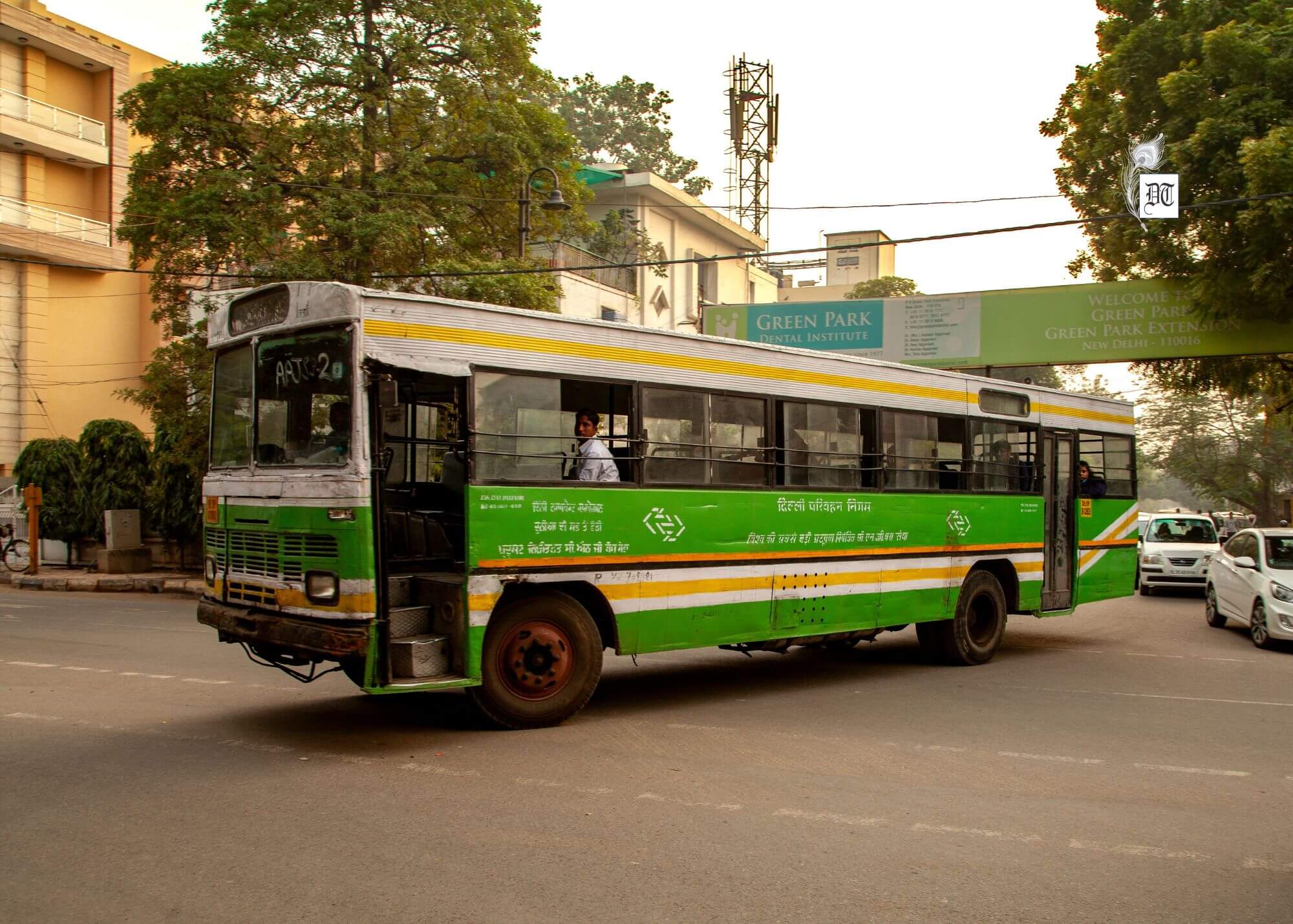
There were no chartered buses on that route, so I relied heavily on the so-called “limited” buses run by the Delhi Transport Corporation. These buses had limited stops and, consequently, limited passengers.
For the first few months, commuting was normal and comfortable. However, during the last trimester, things became difficult. To my horror and amazement, I noticed that none of the male commuters had the decency to offer me a seat. Believe it or not, they just stared and gawked at me, yet no help was forthcoming. Occasionally, a female passenger would be kind enough to offer me a seat, but most days, I found myself commuting while standing, clutching the nearest vinyl-coated pole for dear life.
Agreed, chivalry is often considered a Western concept, and Indian men are perceived as fundamentally patriarchal. But why can’t they demonstrate even a slight degree of sympathy, kindness, or sensitivity?
In our society, women are revered as Devi (goddess), and older people are respectfully called Mata ji, Auntie ji or Behen ji. And yet, one must bear witness to the struggles of a woman carrying a new life in her womb. People refer to infants as bhagwan ka roop (God’s own image), and male infants are worshipped as Raja Beta. So, shouldn’t mothers-to-be of such precious beings have the right to comfort and safety? This is worth pondering. My experience was not isolated or spectacular. It is rather commonplace.
Fast forward to the present: I feel incredibly proud when my daughter gives up her seat for pregnant women on buses and in metros. Her father is no exception; throughout our years together, he has always been attentive in this regard.
Now, I’d like to share another experience that left me shocked and shaken up. Three years ago, I underwent a hip replacement on my left. Despite my medications and physiotherapy sessions, I now walk with a slight limp, which is often aggravated by temperature fluctuations and muscle pain. I am comfortable and confident with my current status. However, society has its way of observing. Everyone from my next-door neighbour to the janitor, milkman, newspaper boy, and security guards seems to notice my left leg. Every time I pass by, I hear murmurs resonate: “Buzurg amma, ayyaz ho gaya hai…” (poor old woman).
So, are teenagers or middle-aged people not eligible for such surgeries? Secondly, will someone kindly explain how a medical correction is tied to age? It hurts deeply, especially since there is nothing I can do about it.
Post-surgery, when I started covering long distances and taking metro rides, my tripod prosthetic walking stick attracted unwarranted remarks. Whenever I asked for a specially-abled or senior citizens’ seat, the occupants would glare at me scornfully, their lips curling into sardonic smiles. I often wonder: what makes the youth of both sexes so arrogant about their own youth and fitness? They fail to remember that youth and beauty are ephemeral. What happened to me could easily happen to them tomorrow. This insensitivity and coldness are overwhelming.
Having said that, I bow in gratitude to certain Good Samaritans who willingly proffered their seats without my having to ask for one.
I will mention some incidents that were the last straw. One day, after shopping, I was carefully descending the stairs at Janpath metro station when a young man saw me, stopped dead in his tracks, and laughed. “How are you walking like that?” he roared with laughter. Infuriated, I hurled some unprintable expletives at him as he scampered down the stairs. It was unladylike and uncouth, but I am human after all.
Another time, while navigating a flight of stairs at a metro station (the escalator was far away), I came across a young woman squatting on the stairs, eating her lunch. Upon seeing me, she froze as if she had encountered King Kong or perhaps an extraterrestrial. Again, I lost my temper and screamed at her before stomping away.
My point is that when most people are busy with their own lives, why can’t they show some decency and respect towards others?
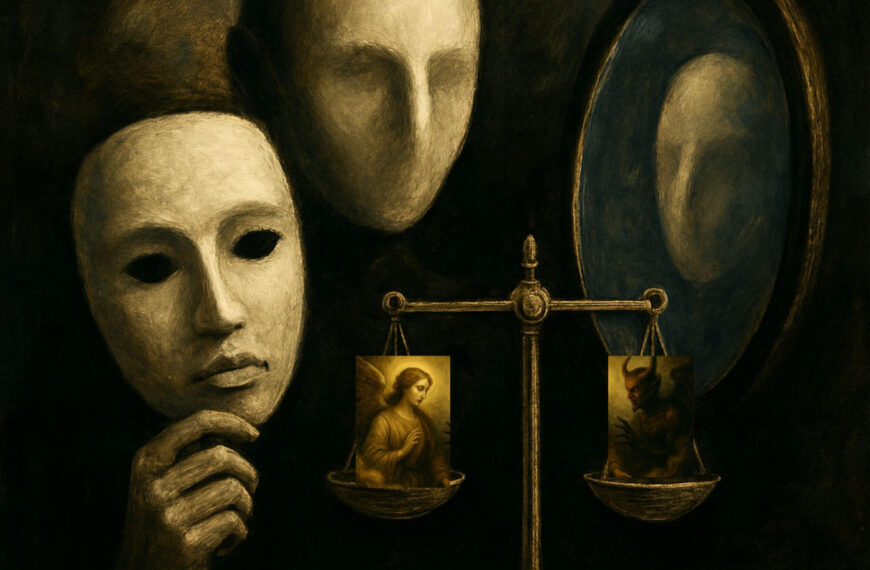
Picture design by Anumita Roy

Ruchira Adhikari Ghosh brings a liberal, wide-ranging outlook shaped by extensive travel across India and abroad. Educated at Holy Child School, New Delhi, Sacred Heart Convent, Ludhiana, and Panjab University, Chandigarh, she holds a Master’s in English Literature and a postgraduate diploma in Journalism and Mass Communication. With three decades in media, she writes on travel, books, music, performing arts, women’s issues, and especially food, drawing inspiration from rich life experiences. She is our Features Editor.

 By
By
 By
By
 By
By