
Sayantani explores the paradox of progress on DifferentTruths.com: hyper-connected yet deeply isolated, chasing convenience at the cost of true human essence.
AI Summary
- Notification Overload in a Connected World: Alarms and alerts flood our mornings, offering data and productivity but fostering isolation amid technological “progress.”
- Acceleration’s Hidden Toll: Instant convenience erodes patience, focus, and self-awareness, turning reliance into dependency and amplifying loneliness and mental health crises.
- Redefining True Progress: Balance external advancements with internal growth—use technology mindfully to reclaim pauses, connections, and human resilience without rejection.
If it is hard to understand the label ‘paradox of progress’, if it comes to you all of a sudden. Imagine an early morning before the sun has fully claimed the sky; a million alarms ring on different devices – it’s not the clock but the notifications.
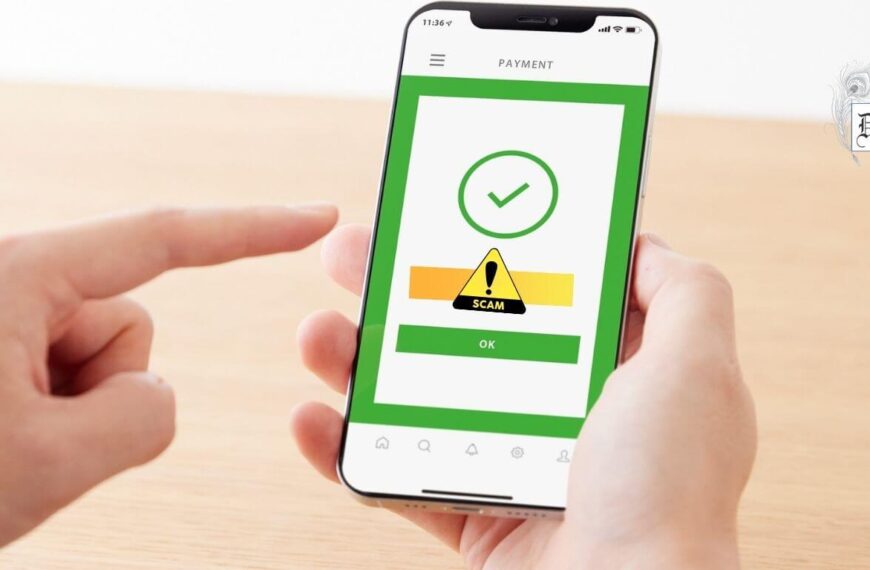
A glowing green rectangular box appears, moving from Kolkata to New York City. Sleeping and wellness tracks, news alerts, productivity and goal reminders of the day all come at once before you look at the window towards the sky and take your first sip of coffee.
This is the paradox of progress: we were never connected as before – yet never felt more isolated.
Illusion of More is Receiving Less
Success metrics in this era are measurable, celebrating ‘more’: more data, more productivity, more convenience. Metrics include earnings, follower growth, and even steps walked!
Technological milestones have been crossed – from the invention of the internet to the rapid use of Artificial Intelligence, which has transformed daily life from work to thinking ability. Physical presence has reduced in virtual spaces, and work is done in seconds rather than days.
Yet all the astonishing advancements hide an underlying truth: people are exhausted, no matter how convenient life has become. The cognitive overload mode of living is putting more stress on modern individuals to think harder and feel more fragmented.
The so-called progress has definitely accelerated the pace of life, but not necessarily improved its quality.
The Silent Cost of Acceleration
Today, the pace that we engineered is not limited to the external – it has entered our subconscious minds.
Previously, in earlier days, waiting was a part of life. We had more patience as letters used to take time to reach; we had moments to pause between conversations, and hence, decisions had enough time to breathe.
Now, a simple message sent needs an instant reply. A few moments’ delay feels like neglect.
The constant pressure of urgency has blurred the boundaries between work and peace. It has hampered the distinction between presence and distraction.
The digital world’s subtle, invisible pull has pushed the word “relaxation” out of our mental dictionary.
Consequently, waiting feels like a ‘failure’!
Are we Making Progress in the Right Direction?
The paradox deepens further when we consider the pace of advancement, yet we do not know what it means to move forward!
A person can enter the banking system, order food, watch the news, and respond to emails or meetings from a single device, yet the same person cannot sit for a moment quietly with their own thoughts.
The human mind is still adjusting to the newly evolving tools every single day.
We are in a race to build smarter cities, faster communications, and a rising economy. Passing each moment of every year successfully from the outside, but are we investing in mental resilience, human connection, or emotional intelligence? The question remains unanswered.
Have You Considered That your convenience has Become a Dependency?
Do you understand how subtly we have entered the trap of convenience?
We no longer remember phone numbers of our close people – we store them.
We don’t remember the directions of the roads travelled a few weeks ago – we rely on live maps.
We do not spend time sitting by the bedroom window watching nature – we keep our eyes on the small phone screen and escape.
It may be a modern necessity, but can we control the destructive effects it is creating very quietly?
Lack of patience, increased distraction, not enough confidence to build simple focus on a single topic, and, overall, the impact on independent thinking is no joke!
The human brain is designed to think deeply and make the right decisions, but it is now trained to prioritise speed. And in that transition, something essential is yielded – self-awareness.
The Epidemic of Solitude
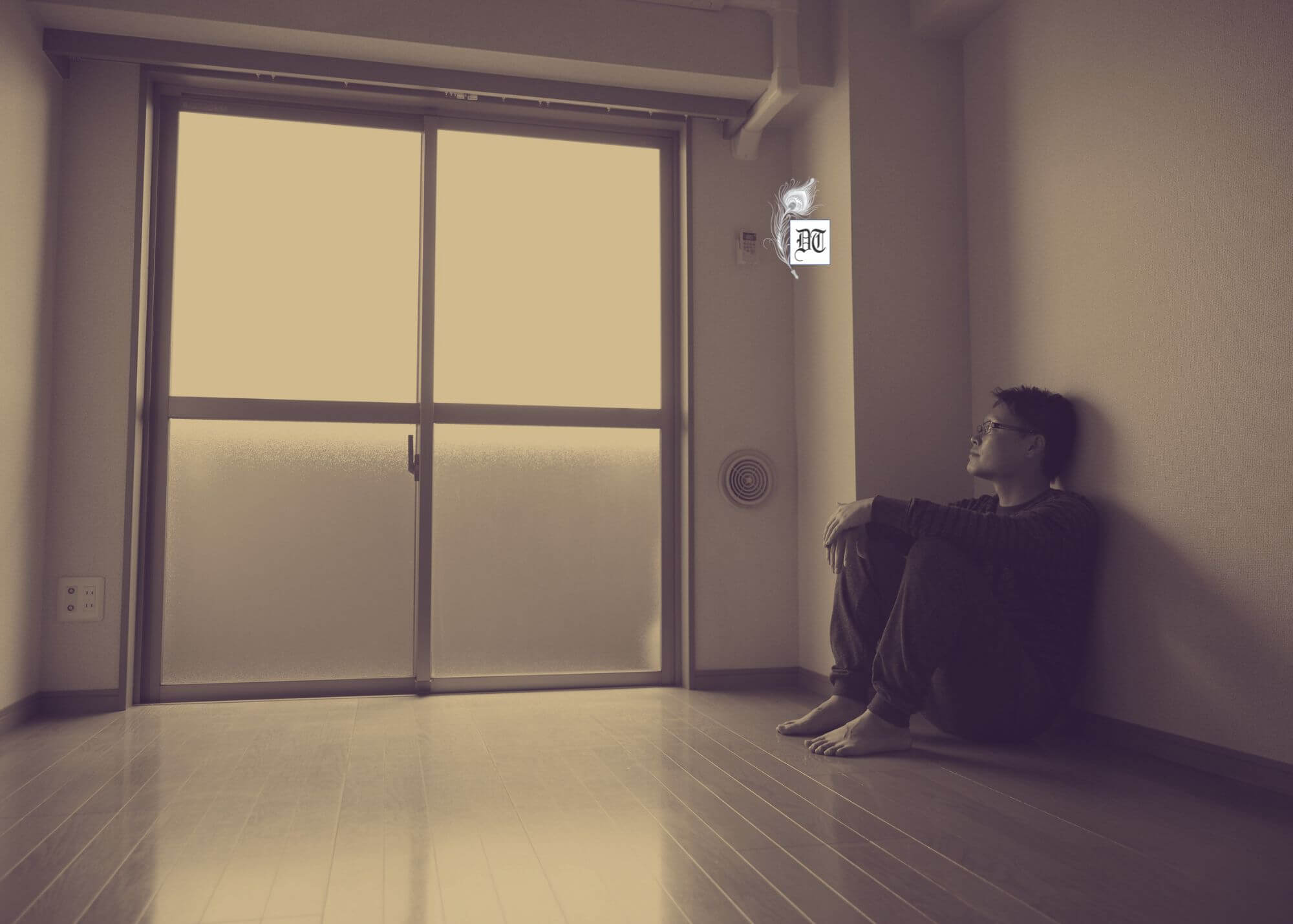
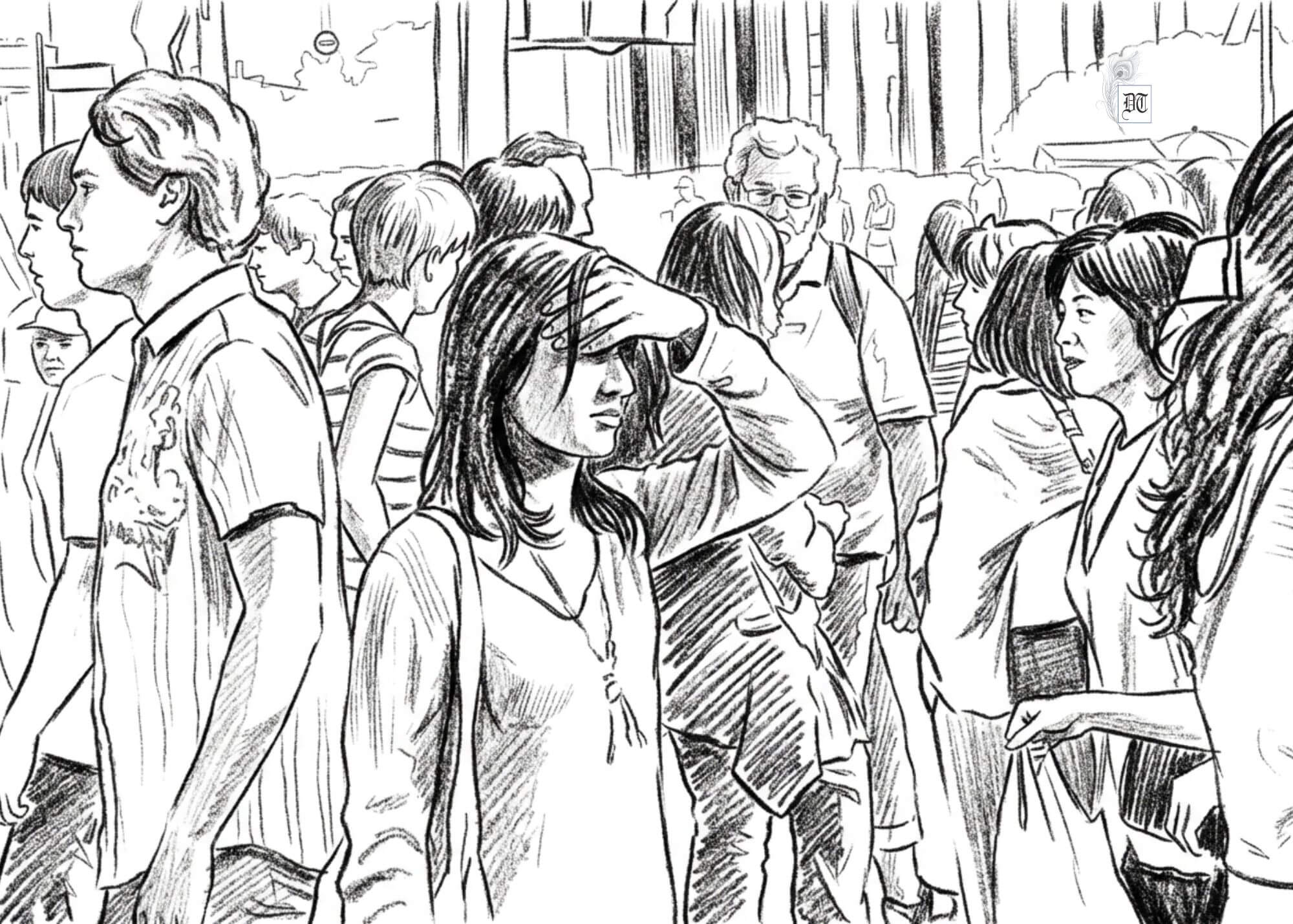
Loneliness has become one of the most invisible crises in this hyper-connected society. Many voices surround us, but we do not have a real conversation. There is access to all information, but clarity of mind is in confusion. We are constantly busy and try to make time for ourselves, yet we strangely feel unfulfilled.
The social media influence, even if we ignore it. The curated perfectionism amplifies a strong disconnection from reality. Life appears to be successful, complete, happy, and joyful on screen, which creates a sense of comparison that erodes both self-worth and close relationships.
Reality check: The platforms designed to connect people often deepen the pain of separation.
The on-screen life depicts a curated, successful, and complete one, but silently erodes self-worth every single day.
Convenience or Dependency?
Loneliness has become the most invisible and pressing crisis in this hyper-connected society. Most people hear voices but do not have any real conversations.
Access to information takes minutes, but there is a lack of clarity and genuine perspectives. The constant feeling of a busy life brings the feeling of unfulfillment.
Convenience has become a subtle trap for this era, rather than the greatest gift.
We never remember phone numbers, routes, or directions, nor do we sit for a few minutes to feel the essence of silence and boredom; rather, we dive into screens.
It might seem casual and harmless, but it has quickly ruined our patience, focus, and ability to think in the right direction.
The Undeniable Mental Health Crisis
Progress and success bring a wave of lies along with anxiety, burnout and emotional fatigue. Productivity without purpose grasped the entire system. Students are overwhelmed by excessive expectations, and parents feel trapped between responsibilities and a lack of support.
The pressure to be successful and to make much-awaited lightning progress continuously, without pause, is causing the greatest instability in the human mind.
We have to identify whether this need for progress is to gain the standard of living or to lose the standard of survival!
The Closure: Dissection & Reconstruction of the Paradox
The heart of the dichotomy of progress is the dilemma between evolving as human beings and escaping ourselves. The contradiction arises when technology brings endless distractions, making it easier to dodge uncertainty and introspection, while growth always advances by facing these significant benchmarks.
The question is what happens to self-awareness in this incongruity?
The answer to this confusion is that there is no need to reject progress; rather, it should be redefined in accordance with the law of nature.
Progress has never been only the external advancement; it is, rather, our internal advancement.
Utilise technology without being eradicated by it; move fast but without forgetting how to pause and stay connected while not being out of sync.
At this threshold of human history, we should question ourselves whether we are building a better life or forgetting the essence of being human.
Think honestly, as it’s all about keeping the reins of your consciousness in your own hands!
Picture design by Anumita Roy

Sayantani Mukhopadhyay is a writer with a bold passion for journalism and empowerment. She holds a background in English Literature, Human Resource Management, and Mass Communication and Journalism. Her work blends critical inquiry with people-focused insights, centring on sustainability, social issues, and conscious living. Through authentic and research-driven storytelling, she strives to amplify voices, challenge norms, and inspire collective awareness and action.


 By
By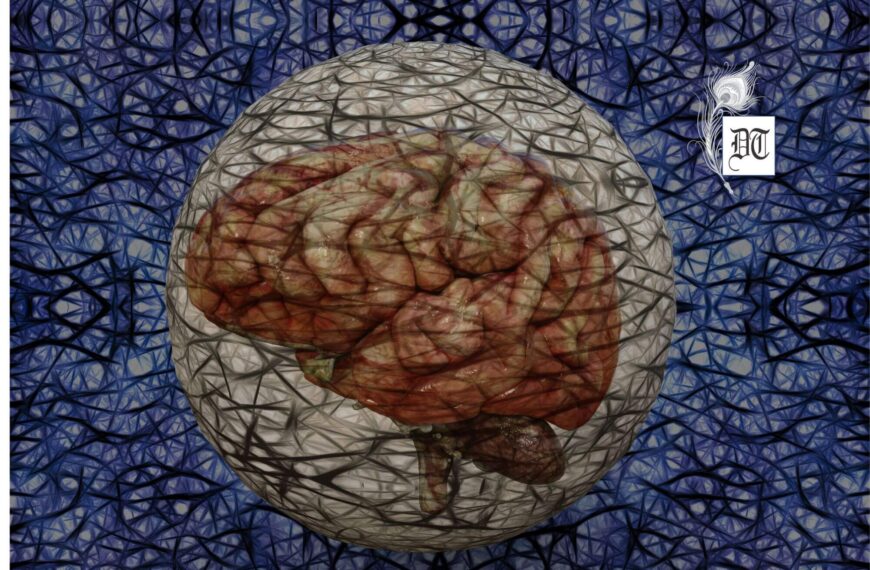
 By
By