
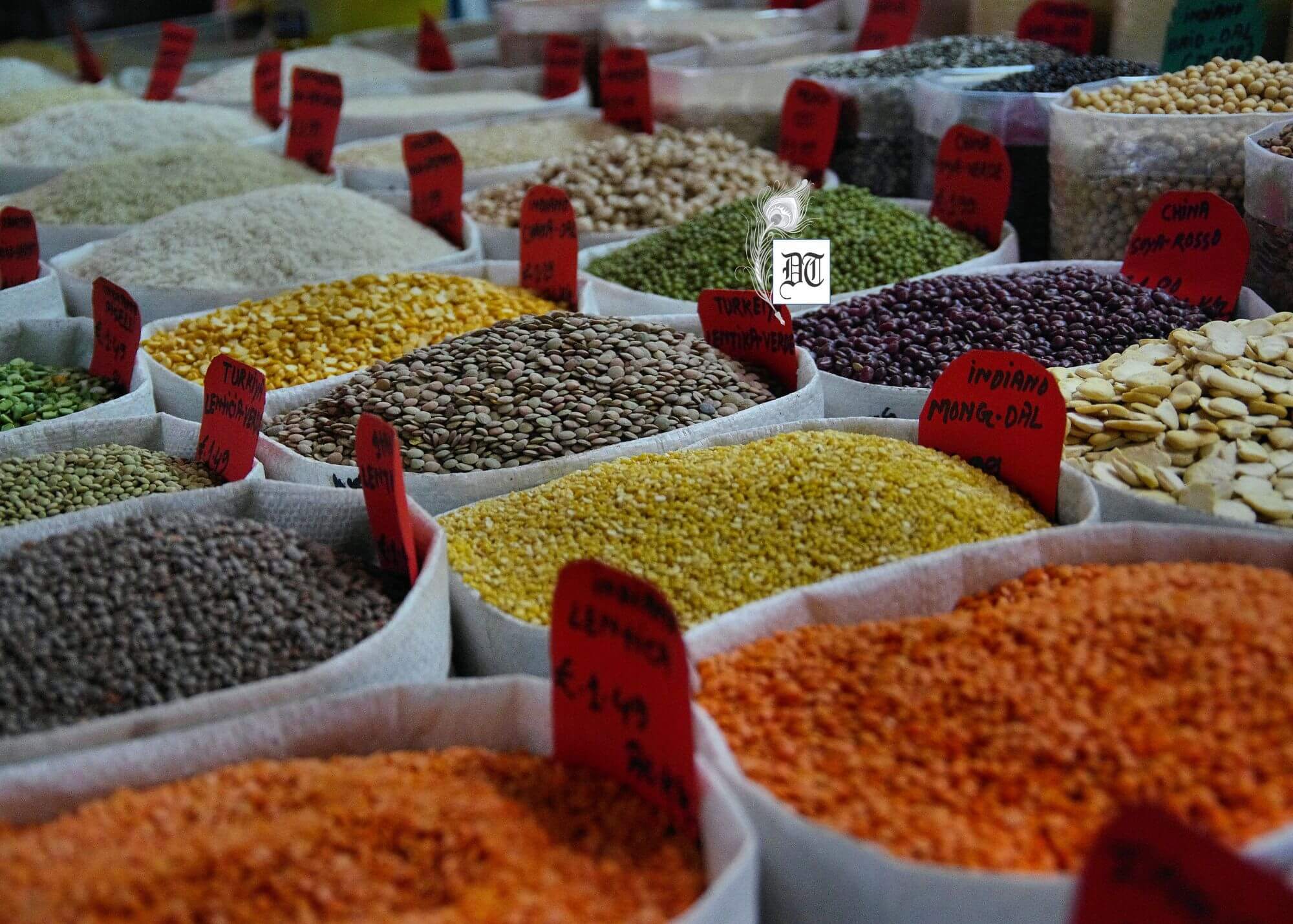

Ruchira traces the rich global history and deep cultural roots of daal, exploring its vibrant culinary variations across Indian households for DifferentTruths.com.
AI Summary
· Global Origins: Domesticated 12,000 years ago in the Fertile Crescent, lentils transitioned from an ancient survival staple into a revered delicacy across Egyptian, Roman, and Greek civilisations.
·Nutritional Pivot: As a durable, protein-rich crop, lentils played a foundational role in helping early hunter-gatherers shift to sedentary farming communities during the Neolithic Revolution.
· Subcontinental Soul: In India, daal serves as an indispensable vegetarian protein, celebrated through regional masterworks ranging from Bengali Chholar daal to Punjabi Maa ki daal.
Mention the word ‘daal’ (pulses/lentils) to a ‘Bharatiya’ from any corner of Hindustan, and you will see a sense of joy and satisfaction light up their face. The term ‘lentil’ comes from the Latin word ‘lens’, reflecting their shape, which resembles a double-convex lens. Lentils come in a variety of colours – red, orange, yellow, green, brown, and black. According to historians, they were domesticated approximately 12,000 years ago in the ‘Fertile Crescent’ comprising modern-day Iraq, Syria, Lebanon, Palestine, Israel, and Iran, among others.
Archaeological excavations near the Euphrates River (modern Iraq) have unearthed traces of lentils dating back to 8000 BC. There is ample evidence that lentils were included in the diet of Egyptians, Romans, and Hebrews. Are lentils mentioned in the Bible? There is the tale of Esau, Jacob’s twin brother, who traded his birthright and other privileges for a bowl of lentils and a loaf of bread.
Lentils: A Necessity
In various civilisations, lentils have been considered both a necessity for those facing food insecurity and a delicacy for the upper class. During Lent, Catholics who could not afford fish often substituted lentils, which found their way onto the tables of both peasants and kings. In Greece, lentils were consumed by economically weaker communities, while in Egypt, they were served to royalty.
Botanically termed Lens culinaris esculenta, lentils grow in pods containing one or two seeds. They vary in size and shape, with some being smaller than the tip of a pencil eraser and others resembling round, oval, or heart-shaped discs. After harvesting, they are dried and often sold whole or halved.
Experts opine that proteins found in lentils have played a more significant role than animal and dairy proteins in encouraging hunter-gatherers to adopt a sedentary lifestyle and establish villages during the Neolithic Revolution. Lentils can be dried and stored for long periods without decaying or sustaining damage, making them a reliable source of protein for farming communities during turbulent times.
Affordable and Nutritious
Lentils are affordable, nutritious, and filling, which naturally captured the hearts of many. Nowhere have the ubiquitous lentils enjoyed a more prominent place than on the “subcontinent”. A famous Hindu proverb reads, ‘Rice is good, but lentils are my life.’ The bulk of Indians being primarily vegetarian, meat consumption is confined to only certain pockets (read segments) of society and, presently, is fast dwindling—people tend to regard daals as virtual manna from heaven. It is appropriate to say that our country is a vast, splendid canvas upon which master chefs and culinary artists have painted incredible images using their vibrant imagination.
Look around, and you will find daal in myriad forms—boiled, mashed, dry, viscous, powdery, granular, and more—in every walk of life. Consider the dhokla, prepared with besan (gram flour), or the ubiquitous kadhi, which includes Punjabi, Sindhi, and Gujarati variations.
Sambhar, a staple dish of the Southern states, is made with arhar daal (toor/pigeon peas), spices, vegetables, and a dash of tamarind pulp. Ghia-chana daal (bottle gourd and bright yellow split Bengal gram) with light tempering is a much-loved dish during the torrid summer season.
When discussing chana dal, one cannot overlook the famous Chholar dal from the Bengali menu. The essential ingredients include chopped potatoes, pieces of dried coconut, and dried red chillies. This dal is typically served as an accompaniment to the delicious luchis, which are deep-fried pooris made with all-purpose flour (maida).
Bengali Cuisine
As summer arrives, two popular lentil dishes make their appearance in Bengali households. The first is Towker daal, made with masur daal and raw green mangoes, which gives it a tangy and sour flavour. The second is Tetor daal, prepared with yellow moong daal and seasonal vegetables such as lauki (bottle gourd), karela (bitter gourd), grated ginger, and whole green chillies. Both dishes are considered excellent options for combating the intense summer heat.
We need to mention the moong daal, with its minuscule grains and brilliant yellow colour, though its unhusked green variety is readily available. It is replete with protein, dietary fibre, and essential vitamins and is easily digestible. Besides cooking, it is also a popular salted fried snack.
Urad daal (mung bean, aka kalai / biyuli) can be cooked in innumerable ways. However, the gourmand Bengalis appear to have established their monopoly over this lentil. Who has not heard of their signature dish, kalaiyer daal (tempered with fennel seeds, cumin seeds, bay leaf, grated ginger, and dry whole red chillis) inseparably accompanied by alu posto (poppy seeds and cubed potatoes, a mish-mash)? The duo hit off like a house on fire.
Daals of Punjab
Talking of pulses, one must not overlook the immensely popular daals of Punjab, i.e., Maa ki daal /mash and Moth or Matki.
Maa ki dal (lit: mother’s lentils) is a classic, comforting Punjabi lentil dish. In English, it is known as ‘Black Gram Dal’ or ‘WholeUrad Dal Curry’. Alternatively, it is called Kali Dal owing to the dark skin of the lentils used. Moth is again a powerhouse of protein, vitamins and minerals; it is used plentifully in kachoris and snacks.
When Indian infants begin to eat solids, they are often fed khichdi (hotchpotch), made with rice and lentils cooked until tender. Even otherwise, khichdi remains a favourite of adults as well. Rather than eating a bland product, you can pep it up by adding spices, ginger, garlic, cumin, and even a mix of other lentils.
Healthy Sprouts
For the health-conscious or fitness freaks, there are easy options, such as soaking black grams (kala chana) and green grams (moong) overnight and consuming them once they sprout. Additionally, apart from being eaten on their own, the sprouts can easily be added to salads, enhancing both their nutrition and flavour.
Given the contemporary jet-set lifestyle, lentils are valued for their short cooking time, delicious flavour, and rich nutrient content, including protein, iron, and vitamins A and B.
Picture design by Anumita Roy

Ruchira Adhikari Ghosh brings a liberal, wide-ranging outlook shaped by extensive travel across India and abroad. Educated at Holy Child School, New Delhi, Sacred Heart Convent, Ludhiana, and Panjab University, Chandigarh, she holds a Master’s in English Literature and a postgraduate diploma in Journalism and Mass Communication. With three decades in media, she writes on travel, books, music, performing arts, women’s issues, and especially food, drawing inspiration from rich life experiences. She is our Features Editor.


 By
By
 By
By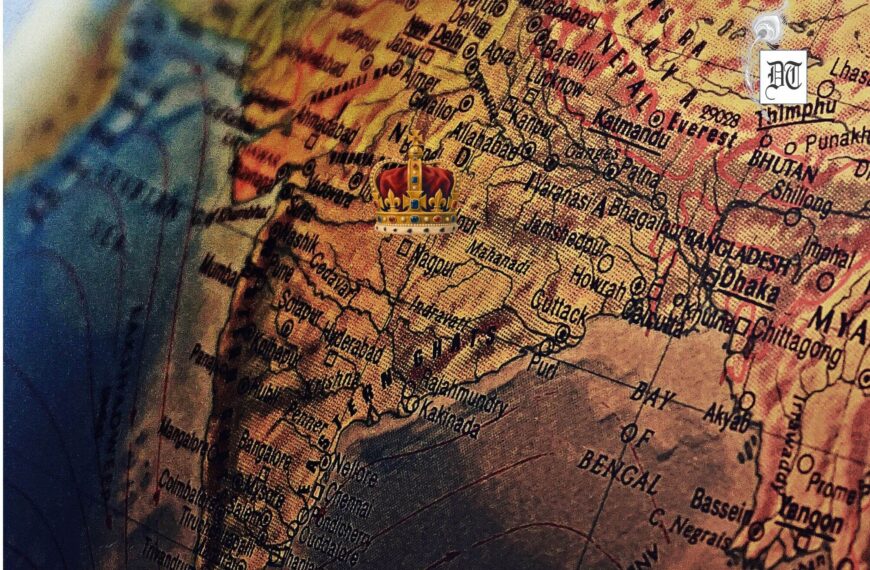
 By
By
 By
By
A veryw ell written, helpful and thoughtful piece.
Two Punjabi expresisons come to mind.
1. Dal, dal, bachay paal
2. Dal roti khayae
Nak di sidh jaiyae