
Rita highlights the historic significance of West Bengal Day on DifferentTruths.com, honouring the heavy sacrifices that secured its place in India.
AI Summary
- Historic Destiny Sealed: On June 20, 1947, Hindu-majority legislators voted 58–21 to partition undivided Bengal, preventing the region and Calcutta from becoming part of Pakistan.
- Visionary Leadership Honoured: The relentless efforts of Dr Syama Prasad Mookerjee and Swami Pranavananda Maharaj successfully secured West Bengal as a safe homeland for Bengali Hindus.
- Official Dignity Restored: Celebrating officially for the first time, Kolkata’s landmarks are illuminated in the tricolour to honour the deep ancestral sacrifices that protected its roots.
On June 20, the day of our existence, the day of protecting our roots—West Bengal Day. For the first time since independence, this historic day is being celebrated officially with the utmost dignity. Exactly 79 years ago, on this very day in 1947, if the script of history had flipped even slightly, our geographical, cultural, and identity landscape would have been entirely different. Instead of being a proud part of India, we might have ended up as a part of Pakistan.
The Fiery Chapter of History
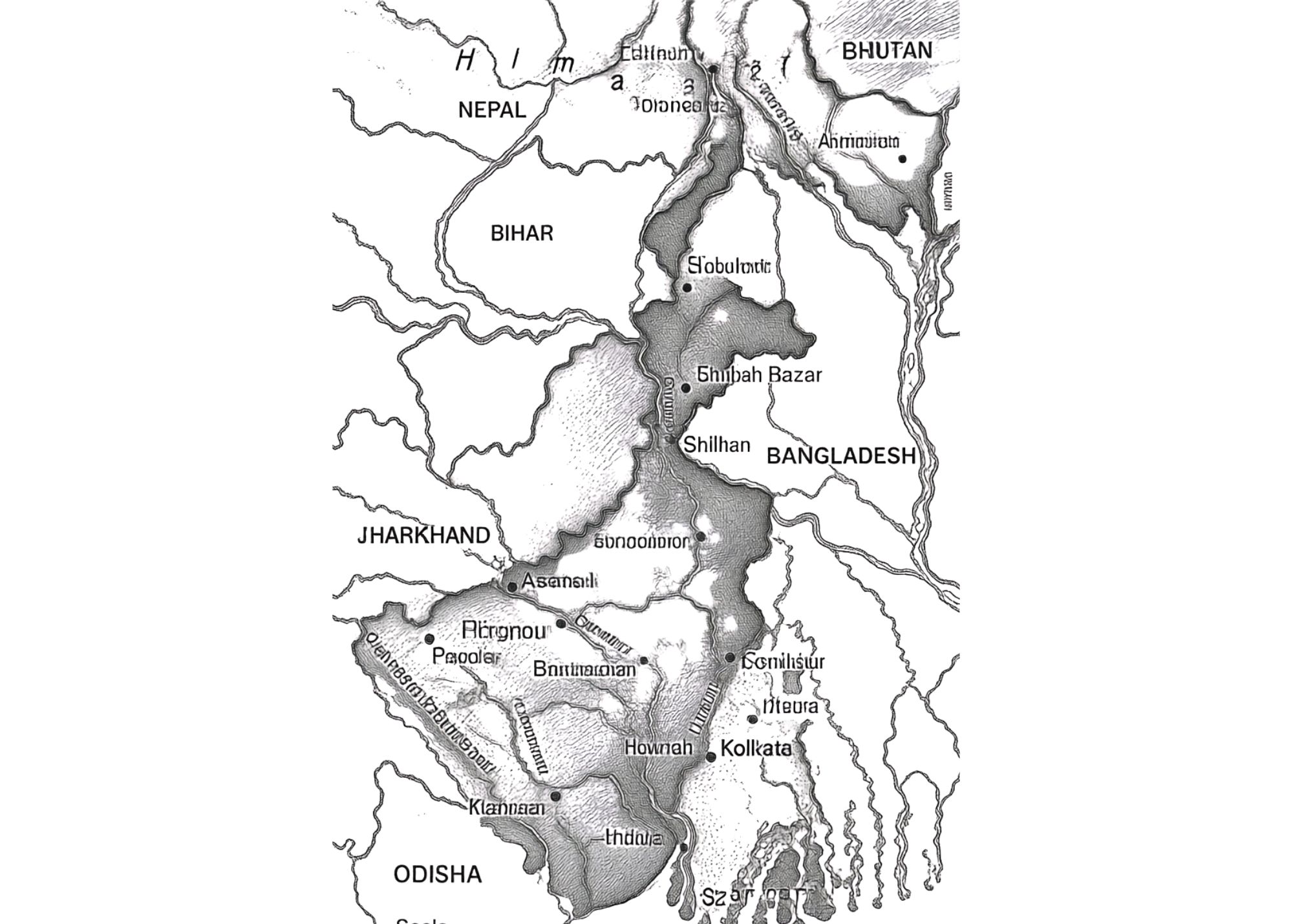
On that day, June 20, 1947, a historic and destiny-defining vote took place in the Bengal Legislative Assembly. According to Lord Mountbatten’s partition plan, a crucial decision was to be made—would undivided Bengal join Pakistan as a whole, or would its Hindu-majority western part remain with India?
The voting took place in two separate sessions:
The Joint Session: The Muslim League and leaders of undivided Bengal voted together. In this session, the motion to join Pakistan as a whole passed with 126 votes in favour and 90 against. It seemed undivided Bengal was well on its way to Pakistan.
The Separate Session of the Western Section: However, according to the rules, the legislators from the Hindu-majority western part had the right to vote separately. This moment is where history took a turn. Led by the foresight of Dr Syama Prasad Mookerjee and Maharajadhiraja Uday Chand Mahtab, the western legislators voted 58–21 in favour of partitioning Bengal, ensuring the creation of ‘West Bengal’ as a part of the Indian Union.
If that crucial vote had gone the other way, Kolkata and the entirety of West Bengal would be a part of East Pakistan (now Bangladesh) on today’s map.
The Monumental Contributions
Today, we must remember with deep reverence the great icons whose relentless struggle ensured that we can stand on our own soil today and proudly say, ‘Jai Hind.’
Dr Syama Prasad Mookerjee: He was the iron man who stood as a shield for Bengal. Countering Jinnah’s slogan of “Ladke Lenge Pakistan,” he raised the call: “If you partition the nation, we will partition Bengal so that Hindus can live safely in their ancestral motherland.” Jinnah desperately wanted the crown jewel, Calcutta, to be a part of Pakistan. But due to Syama Prasad’s unyielding stance, Jinnah had to return empty-handed without Calcutta. The Bengali Hindus got their homeland, West Bengal.
Yugacharya Swami Pranavananda Maharaj: The founder of the Bharat Sevashram Sangha, Swami Pranavananda Maharaj, along with his followers, brought about a massive social and spiritual awakening. They provided the moral spine and strength to society to stand tall during those turbulent times. Their sacrifices form the bedrock of our existence today.
Tilottama is draped in the tricolour.
On this historic day, all the iconic landmarks and government buildings of Kolkata are beautifully illuminated in the tricolour of our national flag. Seeing this sight, the souls of millions of nationalists who have passed away must be resting in peace today, with tears of joy in many eyes. If Syama Prasad Babu or Swami Pranavananda Maharaj were alive today, this sight would have brought them the ultimate joy.
We must always remember—”My soil, my mother; it belongs to no aggressive force. “This soil was earned through the blood and sacrifices of our ancestors; it is the ultimate sanctuary of our culture.
Cutting across political lines, let us pledge to love our beautiful state and carry our history with ultimate pride.
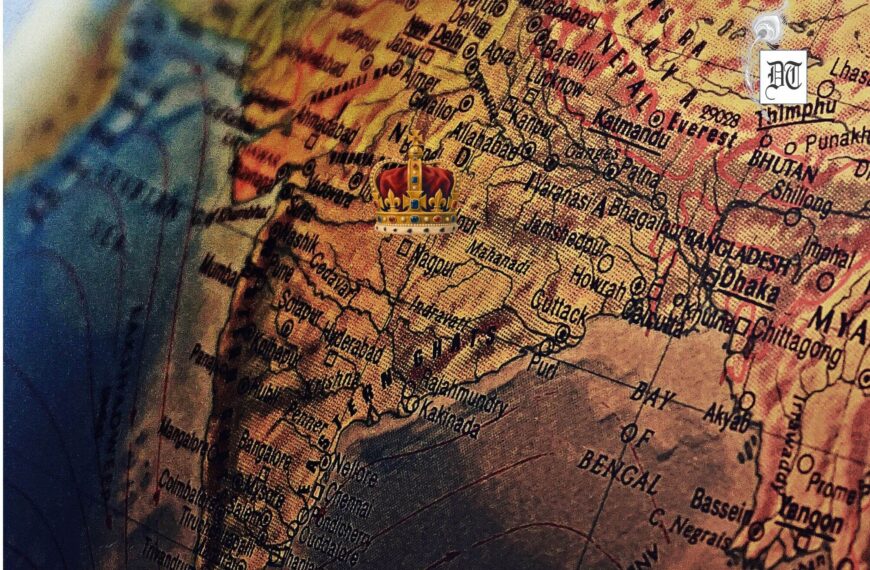
Picture from word map

Born in Shillong, Rita Biswas Pandey’s diverse career spans education and corporate life. A North Eastern Hill University graduate, she holds multiple certifications in social welfare and computer studies. Retiring from UPS to pursue her passion, now a Delhi resident, is a published author (Tinkonya, Yuddha and Kabita somogro ). She also enjoys singing, poetry recitation,sketches, cooking, photography, Blogging and vlogging, sharing her life with her husband, Vinod, and their beloved pet, Titu.

 By
By
 By
By
 By
By
 By
By