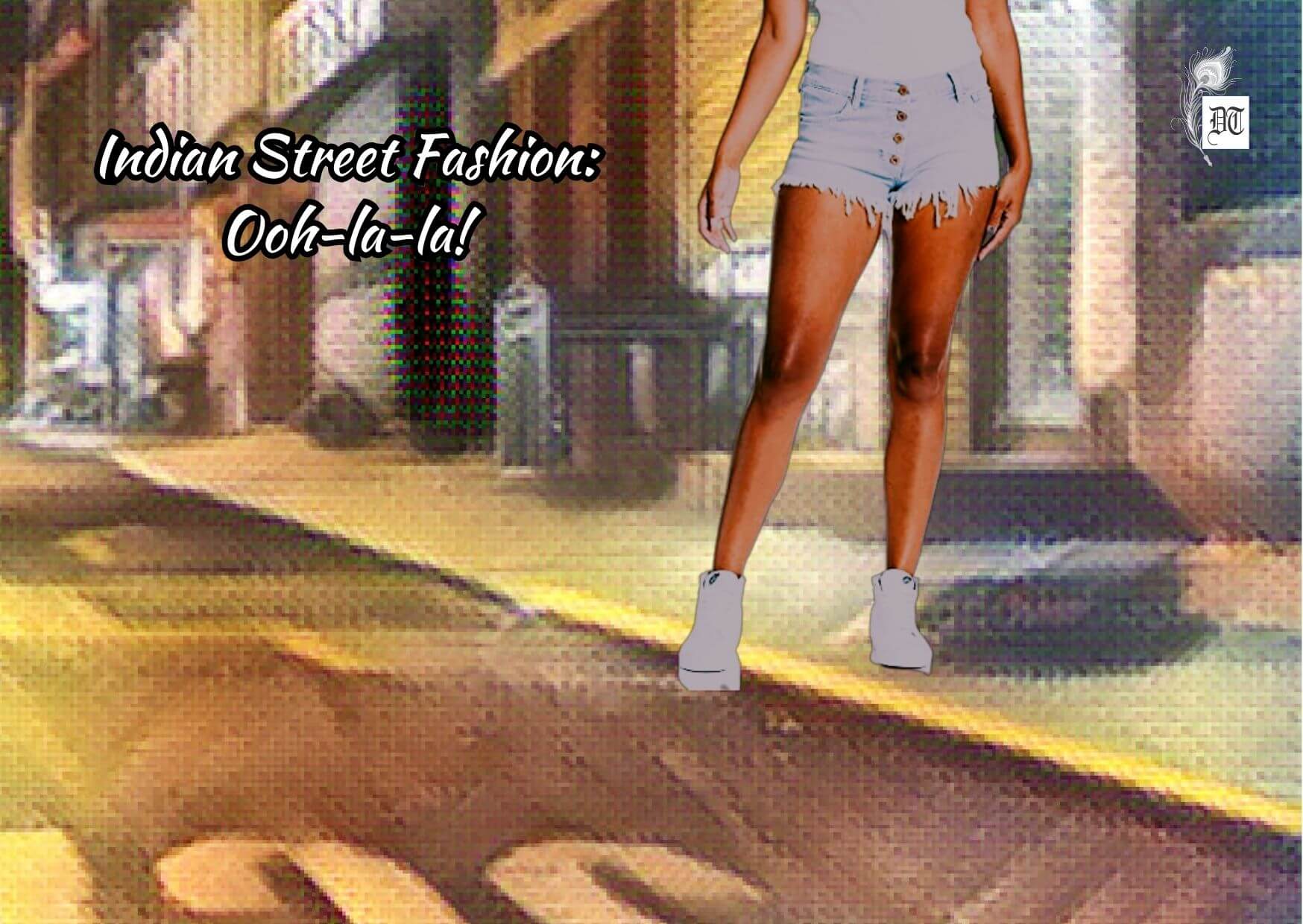
Rishi in DifferentTruths.com dissects brand theatre: how logos, scarcity, and narrative turn clothing into costly currency of social standing.
AI Summary:
- Rishi argues brands sell permission and narrative, not mere garments, converting insecurity into consumer spending and status.
- Luxury pricing, scarcity, and curated storytelling create aspirational signals; fast fashion amplifies fleeting class impressions at environmental cost.
- The result: identity borrowed on credit—cluttered wardrobes, strained finances, and a society equating recognition with worth.
There was a time when clothing served two modest purposes: to keep one warm and to keep one from being arrested for indecent exposure. Now it performs a far more complex civic duty, signalling one’s perceived position in a hierarchy that no one fully believes in, but everyone quietly obeys.
Brand obsession is not really about clothes. It is about economic theatre. A cotton T-shirt is never just cotton; it is a referendum on your taste, your income bracket, your aspirations, and if you’ve made a particularly enthusiastic purchase, your capacity for financial self-sabotage. The same object, stripped of its logo, collapses from “£450 minimalist essential” to “pack of three from a motorway service station”.
Luxury Brands
Luxury brands understand this perfectly. They are not selling jackets or handbags; they are selling permission slips. A logo is a tiny economic spell: it tells strangers you have participated in a transaction that most of them have not. The product itself is often materially unimpressive. But scarcity, storytelling, and carefully calibrated pricing turn a belt into a thesis on exclusivity.
The irony is that this exclusivity is widely broadcast. A “quiet luxury” sweater at £900 is named so that everyone quietly knows it is expensive. Silence turns out to be very loud when priced correctly.
Consider the modern café economy. Two people order identical flat whites. One pays £3.20 at a chain, the other £6.50 at a place where the menu reads like a philosophical text. The beans may have been introduced to one another at the same port, but only one cup comes with existential reassurance. The extra £3.30 is not for caffeine; it is for narrative: “I am the kind of person who understands micro-roasters.”
Branding Psychology
This logic spills directly into personal economics, where budgeting apps quietly lose battles to branding psychology. A person may negotiate hard for a one per cent mortgage difference but will not hesitate to pay a 300 per cent markup on a hoodie because it carries a small embroidered animal that looks emotionally unavailable.
There is a particular kind of financial contradiction that defines the age. The same individual who carefully compares supermarket loyalty points will spend an entire month’s savings on trainers that are “limited drop”. The trainers are not limited in function; they are identical to the previous generation except for a new shade of optimism, but they are limited in availability, which is now the primary metric of value in consumer culture.
The brand, in this sense, is a financial instrument. It converts insecurity into revenue. The customer is not just buying an object; they are buying insulation against judgement. This is why logos matter more than stitching. No one compliments your seam alignment at a party. They notice whether your shoe quietly suggests you know someone called Luca in Milan.
Economic Self-Perception
There is also a curious trickle-down effect on economic self-perception. People begin to measure themselves not in savings or assets, but in brand tiers. A person wearing mid-range brands may feel temporarily downgraded in the presence of someone dressed in aspirational logos, even if the latter is heavily financed by buy-now-pay-later arrangements and mild anxiety.
And here lies the quiet absurdity. Many luxury consumers are not wealthy in the traditional sense. They are liquidity poor but image rich. Their wardrobe is performing a version of wealth that their bank account is actively disputing. Economists might call this consumption smoothing. Psychologists might call it denial with excellent tailoring.
Genuine Wealth
Meanwhile, genuine wealth often behaves differently. It is increasingly under-dressed, almost aggressively indifferent. The richest person in the room may look like they have just been interrupted while gardening. This creates a strange inversion where brands are no longer signals of wealth but of aspiration for wealth or, worse, anxiety about not appearing to have it.
Fast fashion completes the cycle by democratising this anxiety. It offers everyone a rotating wardrobe of semi-luxury impressions at the cost of environmental coherence. You can now dress like five different socioeconomic classes in a single month, provided you are willing to accept the hidden invoice billed to the planet.
Ultimately, the economics of branding is not about clothing at all. It is about narrative leverage. It allows people to borrow identity on credit. The repayment terms are unusual. Interest accrues in cluttered wardrobes, strained bank accounts, and the faint suspicion that one’s sense of style has been outsourced to a marketing department in Zurich.
Recognition vs Worth
And yet the system persists because it is elegantly self-reinforcing. To opt out is not just to wear simpler clothes; it is to risk invisibility in a world that increasingly confuses recognition with worth.
So we continue buying the logoed jacket, the curated sneaker, and the café coffee with its essay-length origin story. Not because we are fooled simply, but because we are participating in a complex economy where appearance has become one of the most liquid currencies available and, inconveniently, one of the most expensive.
Some of my relatives would scream at a lizard in the kitchen but calmly pay a small fortune to wear a crocodile on their chest.
Picture design by Anumita Roy

Rishi Dasgupta, a Masters in Economics from the University of St. Andrews, Scotland, is a millennial, multilingual, global citizen, currently pursuing a career in the UK. An accomplished guitarist and gamer, his myriad pursuits extend to the study of the ancient philosophies and mythologies of India. ‘Adi Shiva: The Philosophy of Cosmic Unity’ is Rishi’s second book as co-author.


 By
By
 By
By
 By
By