
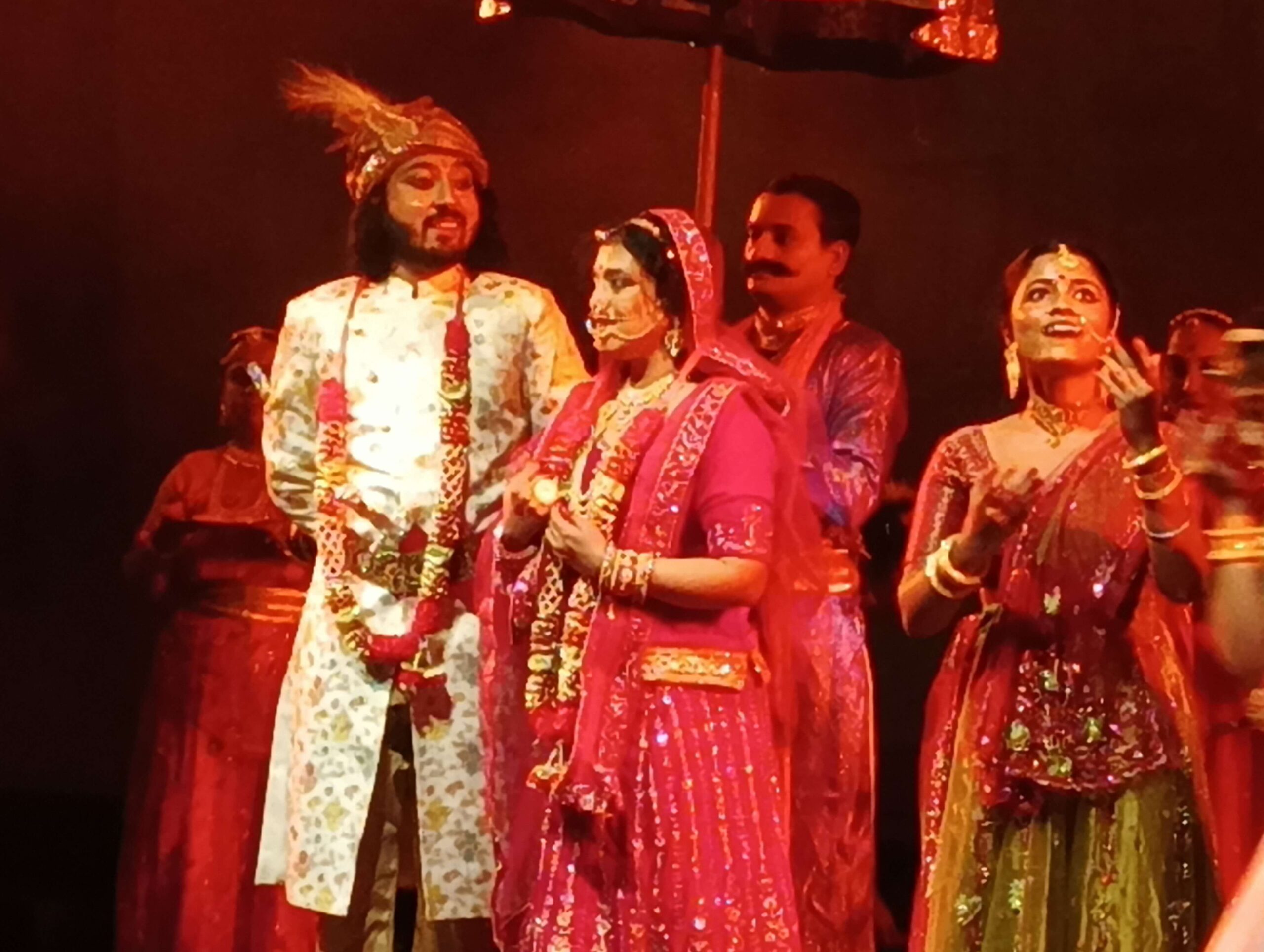

Ruchira reviews a captivating dance-drama production of Padmavati on DifferentTruths.com, celebrating culture and folklore.
AI Summary
- Cultural Revival: Urban Indian elites are increasingly embracing mediaeval history, literature, and folklore through stunning theatrical presentations like the Padmavati dance-drama.
- Epic Narration: The performance expertly brings Malik Muhammad Jayasi’s classic tale of romance, betrayal, and tragic jauhar to life on stage.
- Artistic Excellence: Exceptional direction, traditional Rajasthani folk music, and brilliant performances by local artists successfully recreate a bygone historical era.
It is heartening to see how the educated elite of urban India, including the national capital and its surrounding areas, are showing a greater interest in mediaeval history, literature, mythology, legends, and folklore. Recently, I had the opportunity to attend a dance-drama-musical presentation titled Padmavati.
It was the brainchild of prominent dancer duo Arunava and Sanchita Dhar, who head the New Delhi-based cultural centre Creation Dance Academy. This year, the institute celebrates 27 years of its existence through the production mentioned earlier.
The venue was the plush Shri Ram Centre in the heart of the megapolis.
Composed by the renowned mediaeval Sufi poet Malik Muhammad Jayasi (1477-1542), this work is written in Avadhi, the lingua franca of that era. It is presented in the Chaupai doha format, similar to Goswami Tulsidas’ magnum opus Sri Ramcharitmanas.
The story of Padmavati unfolds as follows: Padmavati, also known as Padmini, was a Sri Lankan princess renowned for her extraordinary beauty and exceptional hunting acumen. She encounters King Ratan Sen of Chittor during a hunting accident. There is instant chemistry, and love blooms. Ratan Singh weds and brings his lovely bride to Chittor, the capital of the Mewar kingdom in mediaeval Rajasthan.
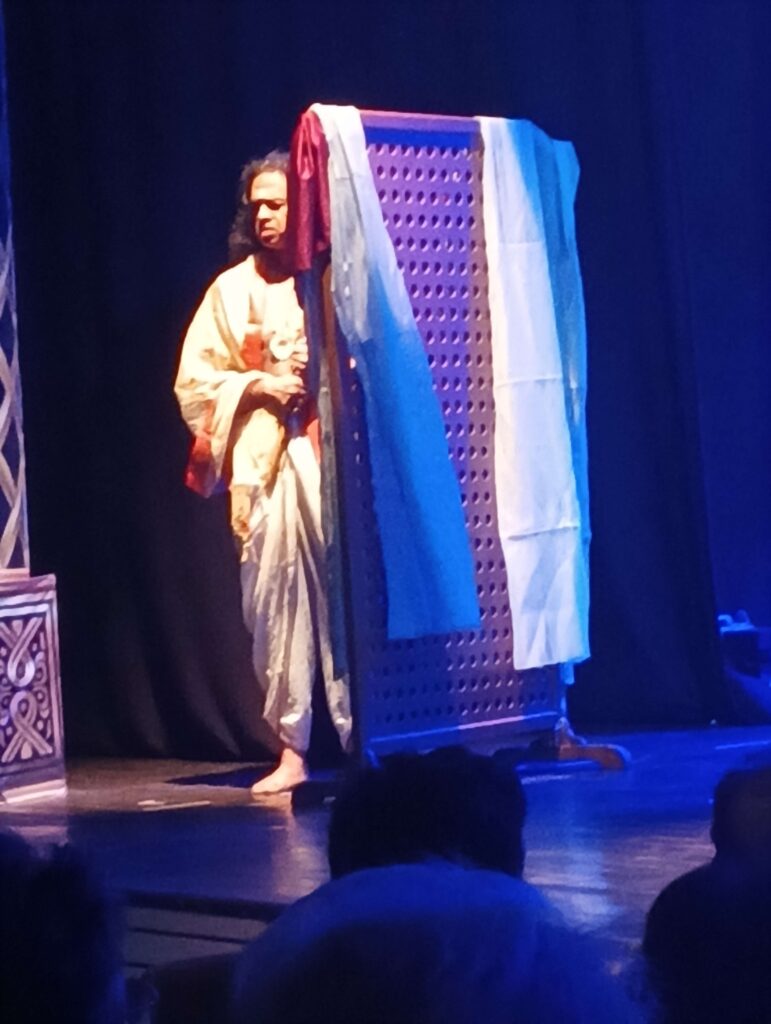
Then follows a passionate romantic honeymoon phase. By a quirk of fate, Raghav Chetan, a musician/flautist of the royal durbar, is accused of voyeurism – spying on the amorous couple. The furious king banishes him from the royal court. Chetan’s wanderings eventually lead him to Alauddin Khilji’s court. There, Chetan waxes eloquent about Padmavati’s ethereal beauty. His stories heighten Khilji’s curiosity (read: lust) so much that he attacks Chittor multiple times but fails miserably. Then, by mutual agreement, he manages to get a glimpse of Padmavati via a reflection in a huge mirror, yet his desire to possess grows overpowering.
Again, in a desperate, heinous attempt, he tricks Ratan Singh into captivity; subsequently, he sends a message to Padmavati to come and secure her spouse’s release. The queen, accompanied by eight hundred handmaidens (who were in fact trained in self-defence), agrees to meet Khilji. Before they could connect, Meher, one of Khilji’s consorts, sent the royal couple to safety through a secret tunnel. An infuriated Khilji slays her for this act of betrayal. Khilji attacks Chittor again, and skirmishes follow. However, one of Khilji’s trusted lieutenants nefariously attacks Rattan Singh with poisoned darts and kills him.
Upon hearing the news, Padmavati is dumbfounded, shell-shocked. Nonetheless, in a bid to escape humiliation and ignominy at the hands of the infidels, she, along with her female associates, jumps to her death in an act termed ‘Jauhar’ (self-immolation).
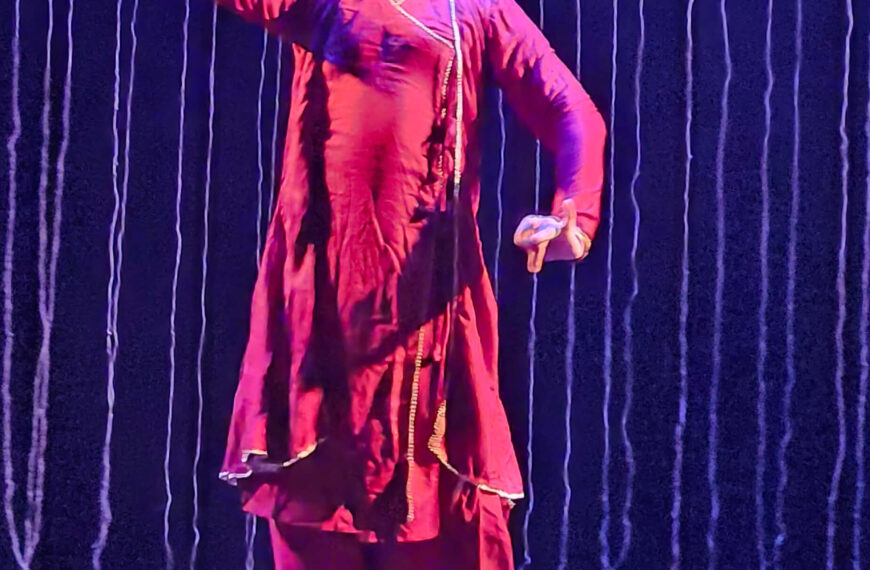
As for the presentation, Sheshadri Rana Mitra, Debjani Banerjee, and Shuddho Banerjee essayed their respective roles as the king, the queen, and Khilji with elan and finesse. That said, the rest of the performers also played their parts with great gusto and enthusiasm. A bevvy of efficient anchors – Ayan Anindita, Gopa Basu, and others – made a great impact. Ample use of historical posters and colourful visuals as the onstage backdrop further strengthened the narration. Ayan Banerjee and Anindita deserve credit for gripping, lively voice-over and narratives.
Among the musicians, local celebrity crooner Mihir Basu, the suave Anirudh Chaudhuri (keyboardist), and Pankaj Mishra (flautist) deserve special mention, along with Tauroshanto (who heads a local Bangla band) and Nandini. They skilfully composed the background music. The directing duo effectively created and maintained an authentic Rajasthani atmosphere by incorporating traditional Rajasthani folk music, vocals, dance, and the celebration of Rajput festivals, reflecting what life might have been like in that bygone era.
All in all, the audience was regaled with vignettes of Rajasthani culture, folklore, and chivalry, all rolled into one.
Visuals sourced by the reviewer

Ruchira Adhikari Ghosh brings a liberal, wide-ranging outlook shaped by extensive travel across India and abroad. Educated at Holy Child School, New Delhi, Sacred Heart Convent, Ludhiana, and Panjab University, Chandigarh, she holds a Master’s in English Literature and a postgraduate diploma in Journalism and Mass Communication. With three decades in media, she writes on travel, books, music, performing arts, women’s issues, and especially food, drawing inspiration from rich life experiences. She is our Features Editor.


 By
By
 By
By