

Ruchira reviews a Kathak adaptation of Macbeth on DifferentTruths.com, exploring Lady Macbeth’s guilt, ambition, and haunting spectacle.

AI Summary:
· A Kathak recital, “Out, Damned Spot,” staged by Nirvana Arts Foundation, translates Lady Macbeth’s psychological guilt and ambition into dance, visuals, and sound.
· Sudip Chakraborty’s performance captures the couple’s moral collapse through precise footwork, expression, and eerie stagecraft that evokes Shakespeare’s tragedy.
· The production blends classical technique with theatrical atmosphere to make Macbeth’s themes of power, remorse, and madness viscerally felt.
Lady Macbeth is a central character in William Shakespeare’s immortal tragedy Macbeth (c. 1603–1607). As the wife of the tragic hero, Macbeth, a Scottish nobleman, Lady Macbeth pushes her husband to commit regicide, which paves the way to her becoming queen of Scotland. Many critics and scholars see her as becoming more powerful than Macbeth during this time, as she effectively manipulates him into complying with her wishes and carrying out her orders. However, once Macbeth is transmogrified into a murderous tyrant, Lady Macbeth is consumed by guilt over their crimes and ultimately takes her own life offstage.
In the play, Lady Macbeth is a formidable presence, especially in the first two acts. However, following King Duncan’s murder, her role diminishes; she takes on the role of a passive observer of Macbeth’s schemes and a nervous hostess at a banquet dominated by her husband’s hallucinations. Lady Macbeth’s sleepwalking scene in Act 5 is a pivotal moment in the narrative, and her well-known line, “Out, damned spot!” has become iconic in the English language.
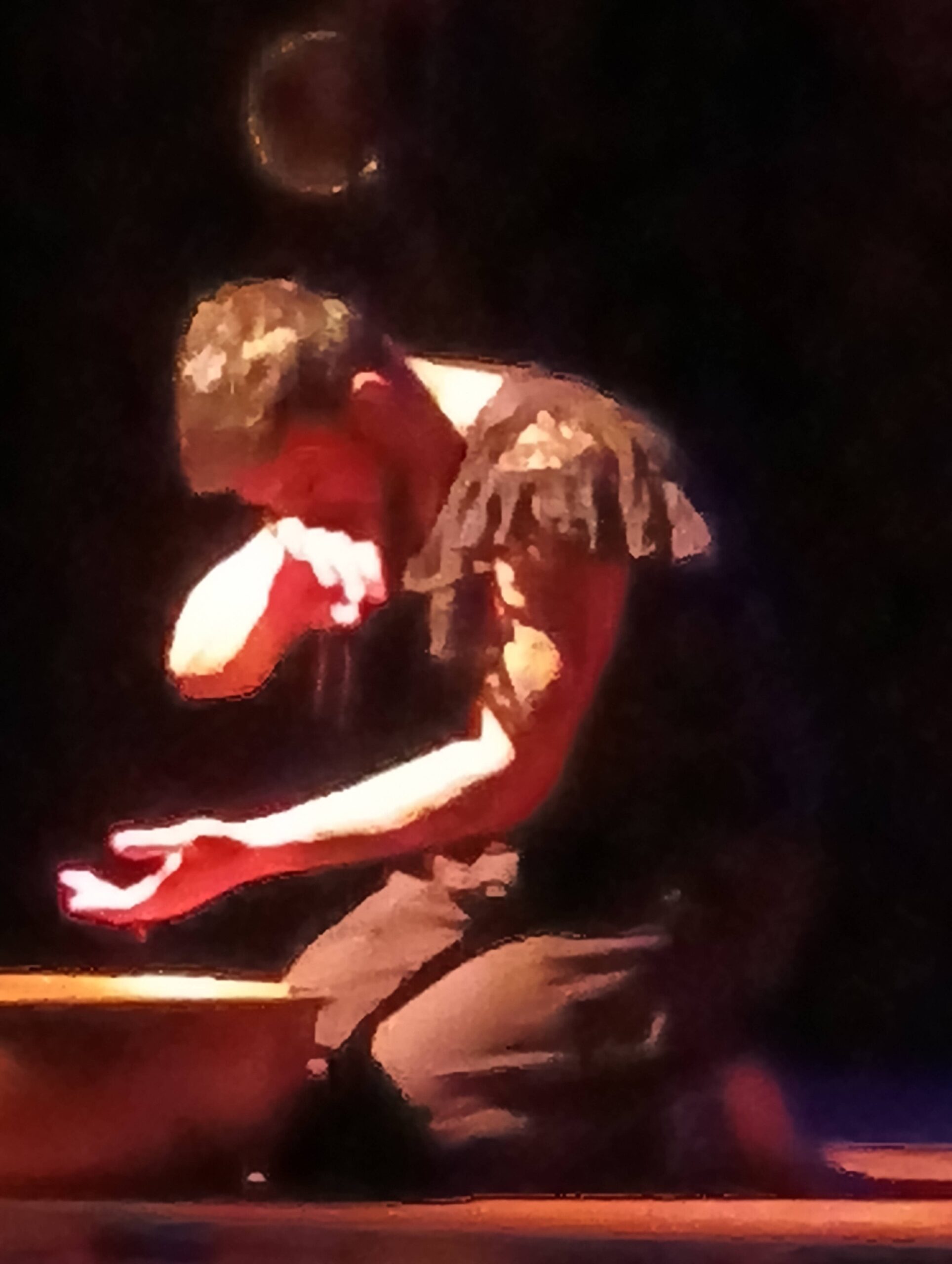
As is only too well known, these words spring from her lips while she is shown making frenzied efforts (imaginary, of course) to wash off invisible blood from her hands. This highlights the psychological complexity of the play’s themes, motifs, and symbols. It reveals how deeply she is getting crushed under the humongous weight of the horrific actions she committed, driven by her overwhelming ambition. Her hallucinating about Duncan’s blood on her hands marks the beginning of her guilt-fueled descent into madness.
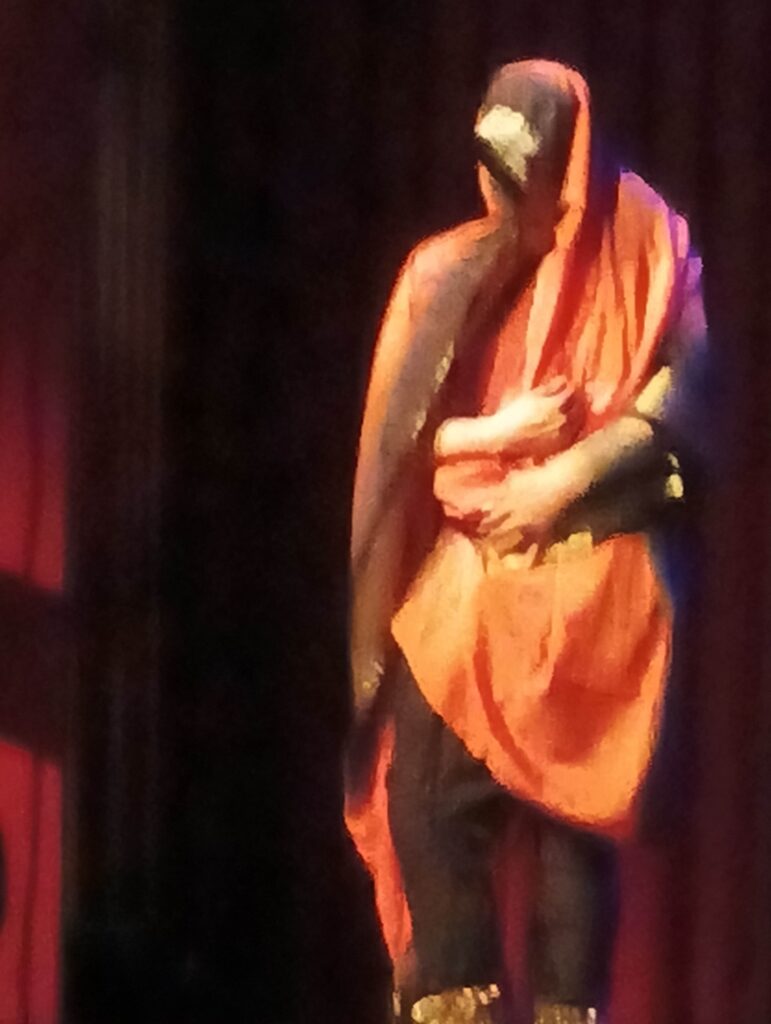
Another notable line is, “What, will these hands ne’er be clean?” This quote from Act 5, Scene 1 symbolises her profound guilt and gradual transit to insanity as she continues to envision blood on her hands—a representation of her inability to cleanse her soul of the dross. The scene explores themes of inevitable guilt, the psychological toll of ambition, the impossibility of erasing past sins, and the onset of divine punishment. Lady Macbeth’s hallucinations reflect the torment of her soul. The news of her death later in Act 5 inspires Macbeth’s poignant “Tomorrow, and tomorrow, and tomorrow” speech.
Can anyone imagine what it would be like to express this significant portion of the play through the Kathak dance form? It may sound a bit bizarre, but it’s not. The Delhi-based Nirvana Arts Foundation recently showcased a dance recital titled “Out, Damned Spot”. On being asked about his choice of the unique theme, Sudip Chakraborty, the lead dancer, had this to say: “I have always loved to study Shakespeare’s plays… and I particularly zeroed in on Macbeth since I wanted my work to powerfully depict the political strife, unrest, feuds, and faction prevailing around us today. These elements abound in the story. Yes, Macbeth also vividly portrays the acme of human ambition as well as the depths of depravity, which I found stunning”
Back to the presentation of that evening. The stage setting, use of sombre grey and black costumes, smoke clouds, etc.,created an eerie atmosphere through the effective use of light, shadow, and darkness that sent shivers down the audience’s spines.
As a skilled dancer, Sudip flawlessly portrayed the roles of the regal (albeit criminal) couple. His performance combined an inner horror, a fear of unknown consequences, and morbid emotions, which blended seamlessly with the flawless steps, intricate footwork, and occasional whirls, all vital elements of the Kathak dance form. Frankly, it was a sight that truly needed to be seen to be believed.
I must also mention that the appropriate sound effects – shrill piercing screams; howls of anguish, intense pain, despair and utter hopelessness on the part of the protagonists/players – were so realistic!
As an ardent literature lover, let me confess, I felt myself carried away to the Scotland of a bygone era while watching the play.
Visuals sourced by the reviewer

Ruchira Adhikari Ghosh brings a liberal, wide-ranging outlook shaped by extensive travel across India and abroad. Educated at Holy Child School, New Delhi, Sacred Heart Convent, Ludhiana, and Panjab University, Chandigarh, she holds a Master’s in English Literature and a postgraduate diploma in Journalism and Mass Communication. With three decades in media, she writes on travel, books, music, performing arts, women’s issues, and especially food, drawing inspiration from rich life experiences. She is our Features Editor.



 By
By
 By
By