
Dr Rositta brings to DifferentTruths.com an inspiring exploration of Sushobha Barve’s peace-building legacy and the transformative power of Mumbai’s Mohalla Committees in the second part.
Key Takeaways
- Grassroots Peacebuilding: The Mohalla Committee Movement Trust transformed police-public relations and community harmony, ensuring Mumbai has not witnessed a communal riot since.
- Holistic Development: Beyond crisis management, the committees actively foster social cohesion through vocational training, youth engagement, and joint celebrations.
- Resilience and Reflection: After decades of tireless conflict resolution, Barve’s journey underscores the profound necessity of empathetic listening and genuine dialogue.
This article in three parts chronicles the life of Sushobha Barve, one of India’s exemplary peace activists.
Part One describes Barve’s evolution into a successful peace activist and her crucial role in restoring peace and harmony to riot-torn Mumbai of the 1990s. Part Two continues with the peace initiatives and missions established under her leadership to ensure lasting peace in conflict-torn areas across India. The views expressed herein are based on the author’s personal perspectives emerging from her extensive interviews with Barve and other published sources listed in the references.
The Mohalla Committees: Mothering a Miracle
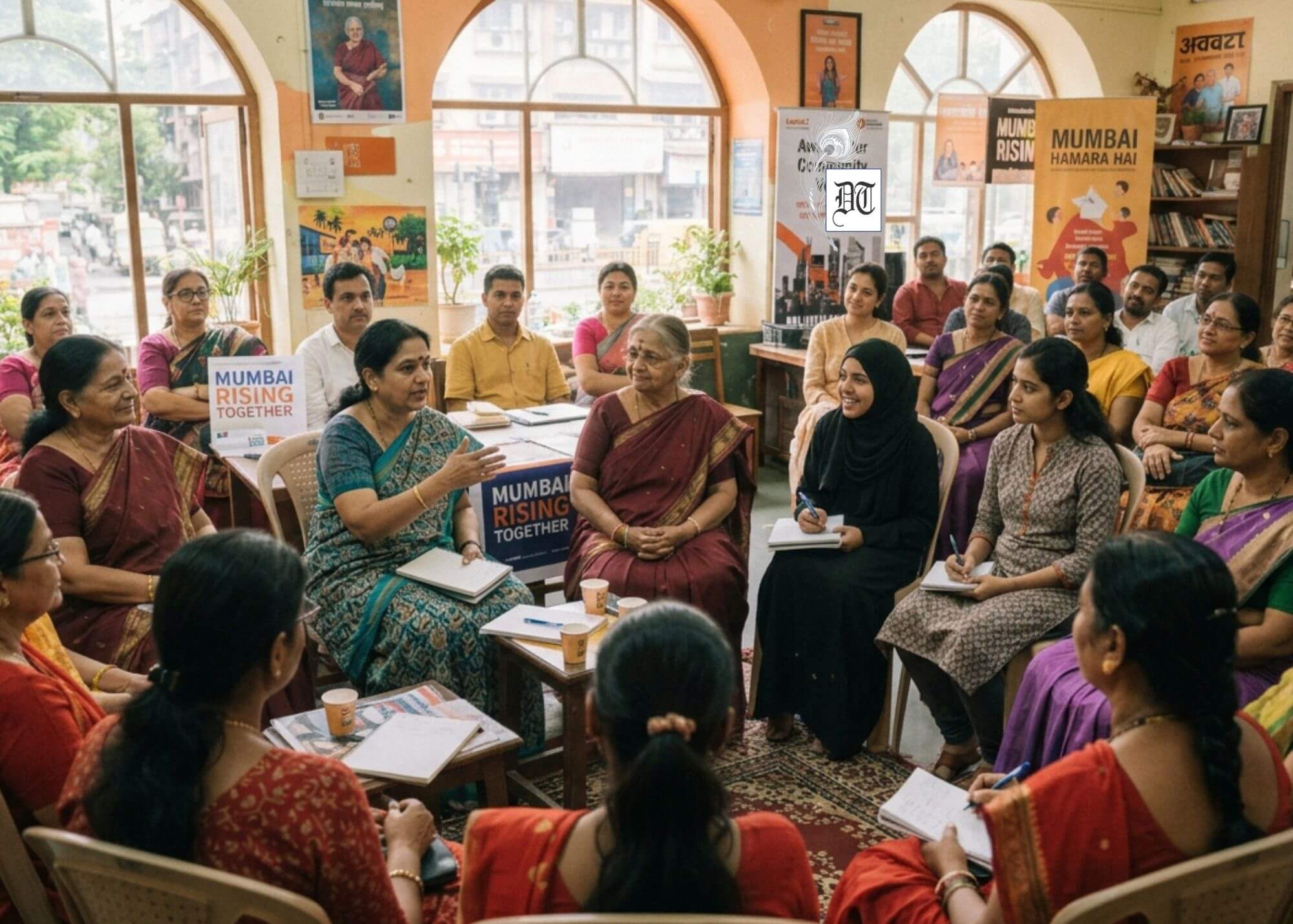
Soon after the Mumbai riots subsided, Sushobha was approached by the Sherrif of Mumbai, Khorakhiwala, along with former police commissioner Julio Ribiero IPS and sitting police commissioner Satish Sahney IPS, who had heard of Barve’s work and desired to reconcile the people and the police forces. Their joint initiative resulted in the Mohalla Committee Movement Trust (of which she is a founding member and trustee), dedicated to peace committees in each locality, marked by active participation of both police and civilians. At the meetings of these committees, civilians gave vent to their anger against the police, narrated tales of police torture and bias, and finally ended in apologies from the police side. Commissioner Sahney took responsibility for the failings of the police force and apologised openly, though he had just taken charge. His gesture touched the hearts of the masses. Sahney’s broad-minded and unbiased approach infused trust among the masses, and several Muslim women took their complaints to him, resulting in errant officers being punished. The MCMT volunteers rendered exceptional service in restoring peace and trust and implementing long-term strategies to preserve the multicultural and multi-religious social fabric. The slum women were among the most active volunteers of the MCMT, especially local leaders like Amina, and they did an incredible job in rebuilding the community and ensuring a better future for upcoming generations.
Barve spearheaded the setting up of twenty-four Mohalla Committees across Mumbai, opening a new chapter in the history of the city. The emphasis was on initiatives taken by the citizens themselves, free from the influence of politicians and antisocial elements. The need to remove politicians’ control over the police and to put the latter under a body governed by apolitical people respected by society was focused upon. To this day, these non-political mixed-community groups include members of a neighbourhood, especially women, and other civil society members from across vocations and locations in the police station area. These members remain in touch with the police and administration on a daily basis to prevent clashes. Whenever rumour-mongering starts and whenever conflict builds up, committee members come together and put moral pressure on the police and administration to act in time. It is to the credit of the Mohalla Committees that Mumbai never witnessed another riot. Further, they successfully diffused tense situations after the Bamiyan Buddha incident (2001), the arrest of political leaders, the banning of SIMI, the terror attacks in New York and New Delhi and Mumbai (2011), and right up to the Islamophobia generated during the COVID-19 pandemic – among several other instances.
As the Mumbai Mirror reports, “Out of the grief arose the Mohalla Committees. Hindus, Muslims, Christians, Parsis, Sikhs, and Jains — neighbours who had once crossed the street to avoid one another — began to sit in the same rooms, share the same anxieties, and rebuild the same fragile threads of community. Sushobha Barve helped imagine these spaces. Julio Ribeiro supported them, stalwarts like Bhau Korde and Waqar Khan brought them alive in Dharavi, and countless residents across neighbourhoods worked to keep them functioning. … And the committees worked. When Dawood Ibrahim orchestrated the bomb blasts that followed, the city did not descend into retaliatory violence. Mumbai held its breath and then held its ground. There has not been a communal riot in this city since. It is worth remembering this today, when the volume of hatred around us feels deafening” (https://www.mumbaimirror.com/opinion/finding-a-place-in-the-middle-700043).
What stood out was Barve’s focus on ensuring that the Mohalla Committees worked continually for the holistic development of the entire locality, included representatives from all sections of society, celebrated all festivals together, engaged in sports and other cultural activities together, and kept channels of communication open always. “It became clear that a major part of the conflict came from large groups of frustrated young men with nothing to do, roaming the streets and looking for fights. Sushobha won a grant and began to set up training programmes in computing and other vocational skills and to establish sports grounds in which adolescents of diverse backgrounds could play together” (https://www.ashoka.org/fr-be/pionnier/sushobha-barve).
As she expressed in an interview with the Times of India in 2001, “During a crisis, any neutral individual who is trusted can help open a communication channel between parties. As long as people are talking, they will not go out on the streets to resort to violence. And these communication channels could then turn into creative connections in addressing other problems…” (Sushobha Barve, Bombay Mohalla Committee Trust, to Anil Singh, The Times of India, May 31, 1996). In an article in Communalism Combat in 2005, Barve shared her learnings from conflict resolution missions in Mumbai. She realised that, instead of debating over controversial issues, the best approach was to drop them altogether and to focus instead on common issues of civic development that would unite everyone. She addressed the prejudices of Hindus and Christians against Muslims and the aggressiveness of the Muslims that was born out of their insecurity, holding separate discussions with these groups. But on common platforms, the focus was only on how to ensure holistic development in the area that would benefit everyone (https://sabrangindia.in/breaking-barrier/what-we-learnt-process/).
But not everyone was so careful and caring. Barve, just like all the victims of the riots and just like the social activists who had risked their lives to restore peace, was deeply angered by the release of Mani Ratnam’s film ‘Bombay’, which was based on the riots, just a few months after the riots. She felt Ratnam was being selfish, and the experience of watching the movie or even hearing about it was not only a grave danger to the fragile peace but was like forcing all of them to relive the very trauma they were trying so hard to forget. Ratnam never responded to her calls or to the protests of civil society, unlike in the past when he had pumped them for information to make his film (https://www.cscsarchive.org/MediaArchive/art.nsf/(docid)/B73DF88C17D34849652569420028A1B2?OpenDocument).
Keeping up the wise and wholesome models established by Barve and her team, even today, Mohalla Committees actively meet at least twice a month to improve the day-to-day life of people. This includes setting up libraries and film shows, community food stalls, observing national and international days of social importance, and, of course, celebrating Eid and Diwali festivals. They also arrange for inter-religious/faith prayers, communicate ideas of peace and harmony at different meetings, build bridges among various groups of all communities, strengthen women’s efforts, and arrange cricket for peace and other sports for members of all communities, as well as run classes for school dropouts. Primarily, mohalla committees focus on issues related to (a) complaints regarding police work in the area; (b) civic issues like health, availability of water, environment, and garbage disposal; (c) educational facilities for children and youth; (d) activities promoting communal harmony like celebrating festivals. Still, there is no uniform pattern in the day-to-day functioning. Each of them is run by different persons and has different problems.
However, Barve cautions against the attempts to politicise and polarise these Mohalla Committees and reiterates the need to remain vigilant. Both the civilian and police members need to be sincere, vigilant, keep their ears to the ground, mingle with the masses and encourage whole-hearted listening on all sides.
Wrapping up her narration of the Mumbai riots saga, Barve told me that the Srikrishna Commission set up by the government to probe the Mumbai riots was largely ineffective because its excellent recommendations were never really implemented, nor did adequate compensation ever reach the victims, and most offenders got away rather easily. In any case, her faith lies in the citizens’ agency more than systems and structures. She would employ the same faith to resolve communal crises elsewhere in the state of Maharashtra – from Bhiwandi to Malegaon. In Malegaon, years later, Barve would focus on issues such as drinking water scarcity, poor sanitation and infrastructure, and discrimination against the Muslim community, and galvanise citizens’ communities to work with the police and the administration to address these root causes of communal violence.
Healing Streams: A Sabbatical and A Life Story
However, after almost three decades of continued peace work amid violent conflicts, Barve started experiencing signs of burnout. Her work had never been easy. Most people struggled to understand her selfless non-profit interventions; often she was dubbed an agent of vested interests or of the police; she was also accused of being anti-police. She had evolved from a reserved person to a bold, outspoken, argumentative leader. She had to learn to display bravado despite all the fear and tension within her. She worked round the clock, never rejecting a plea, answering midnight calls for help. There were times when she was let down by trusted colleagues and made errors in judgement. She was also dissatisfied with the slow pace of change, experiencing bursts of temper, which in turn would lead to her being labelled as aggressive. Also, after years of nonstop work, she had lost touch with her friends and herself. At the behest of close friends, she took a break in the United States, working with the Initiatives of Change on the ‘Hope in the Cities’ campaign. In the company of the mountains and streams in the American countryside, she experienced deep healing, could forgive all those who had hurt her, and also wrote an account of her life. Her book ‘Healing Streams: Bringing Hope in the Aftermath of Violence’ was published by Penguin in 2003.
Even as our interview moved into covering the next phase of her life, Sushobha Barve emphasised that the biggest lesson of her life is that there can be no lasting peace without genuine talks, frank discussions, healthy debates and sincere negotiations. Listening to each one is very crucial, especially to the downtrodden. As a woman working in high-risk, conflict-ridden areas, often solo and with no organisation willing to support her, she has become habituated to facing numerous dangers on a daily basis. Nevertheless, her highly empathetic and democratic approach has helped her bring peace despite seemingly insurmountable challenges.
(To be continued)
References
The author’s extensive unpublished interviews with Sushobha Barve are dated June 25, 2019, July 5, 2019 and October 17, 2019.
‘Healing Streams: Bringing Hope in the Aftermath of Violence’ by Sushobha Barve, Penguin Books, 2003
https://cdr-india.org.in/index.html
https://www.ashoka.org/fr-be/pionnier/sushobha-barve
https://thewire.in/rights/kashmir-is-in-a-lockdown-within-the-lockdown-this-must-end-now
https://thewire.in/politics/ramzan-ceasefir-shujaat-bukhari-bjp-pdp-kashmir
https://sabrangindia.in/kashmir-moral-dimension
https://sabrangindia.in/message-bangladesh
https://en.wikipedia.org/wiki/Centre_for_Dialogue_and_Reconciliation
https://www.dw.com/en/india-pakistan-crisis-deepened-by-lack-of-informal-diplomacy/a-72687265
https://sabrangindia.in/breaking-barrier/what-we-learnt-process
https://reliefweb.int/report/india/across-line-control-real-stakeholders-peace
https://www.mumbaimirror.com/opinion/finding-a-place-in-the-middle-700043
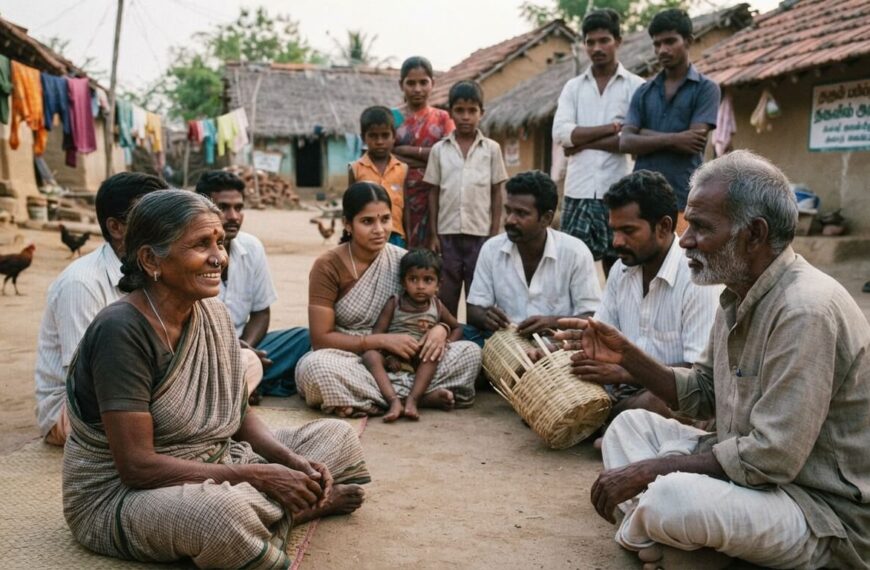
Picture design by AI as a suggestive representation of the text

Dr Rositta Joseph Valiyamattam is a Fellow of the Royal Society of Arts, U.K., a scholar, poet, author and educator with over two decades of experience in higher education. A former visiting research fellow at the University of Edinburgh, she is currently a consultant editor with Orient BlackSwan India and an English faculty member at prestigious institutions in Hyderabad. With a gold medal and doctorate from Andhra University, she has published widely and champions literature, youth engagement, translation, theatre, oratory, and socially committed education.

 By
 By
 By