Prof Bhaskar examines the erosion of the rule of law and the rising shadow of mobocracy on DifferentTruths.com.

AI Summary
- Rule of Law vs Mobocracy: The commentary critiques extrajudicial police actions and the rise of state-sponsored institutional structures that threaten natural justice across India.
- Systemic State Credibility: Questioning the accountability of investigative agencies, highlighting unresolved historical tragedies and the normalisation of state-friendly narratives.
- Society and Survival: Ordinary citizens navigate fragmented social landscapes in silence or dependency, warning against the subtle emergence of an authoritarian police state.
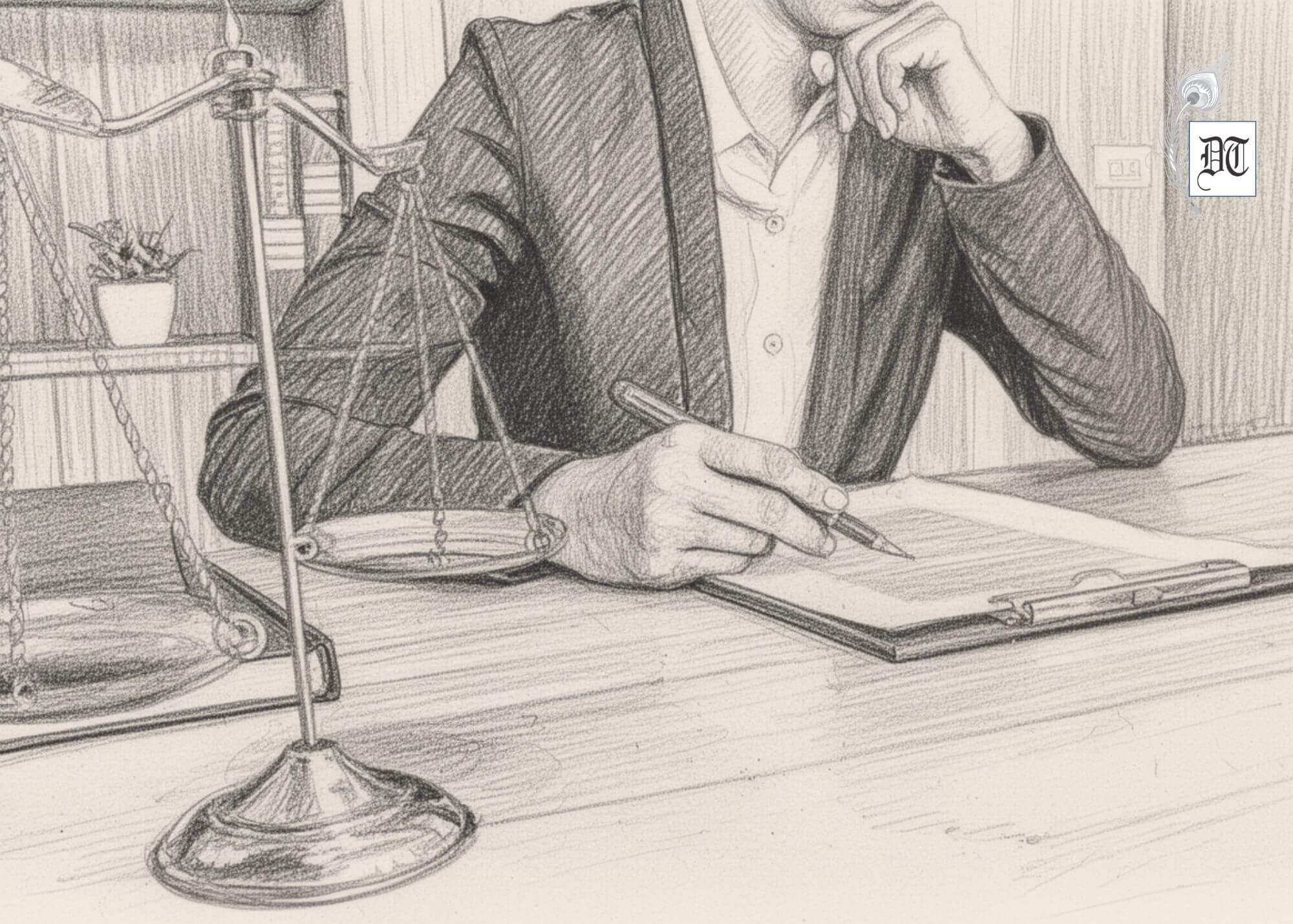
One caution is needed before I pen what follows – it is the risk of expressing something that goes against the majority view or the legislative view. Whatever the risk, one assumption I make is that the police or mobocracy cannot replace the judiciary. Anarchy cannot substitute the rule of law and natural justice.
The May 2026 post-poll arrangement, or, otherwise, of the state of West Bengal, by activating agencies such as the CBI, NIA, ED, CID, and other state wings, has created and continues to create havoc in public life. Many of the agencies’ activities are portrayed as people-protecting. Actually, in most cases, these establish the state as the entity with the highest authority to oppress society. The judiciary, seen as the wisdom wing of the state, is often marginalised or justice-irrelevant in the absence of adequate evidence that the police or public administration could provide.
The credibility of agencies like the CBI remained questionable, particularly since the failure to address vital questions on the rape-cum-murder of a lady doctor on duty in the premier RG Kar Hospital in central Kolkata on August 09, 2024. There is no reason why the culprits, other than one scapegoat civic volunteer, are to be arrested in the near future, because once unfolded, similar or more cruel episodes like the Hathras rape-cum-murder-cum-burning of the body of the victim with no time lost by state police or the Unnao uninterrupted rape case by a member of Parliament or some such cases pan-India may be questioned. Both Hathras and Unnao are in the state of Uttar Pradesh.
If the “encounter death” of the accused in the case of the rape-cum-murder of a pre-teenage girl in Baruipur, West Bengal, teaches us anything, it is that the UP model is state-friendly and people-unfriendly. The accused was in police custody. The parents of the victim accused police of inaction even after police were informed about the missing girl. The suspicion remains because all the parents of the victim and the mother of the accused were killed, and some others were drawn to the police thana for ‘bayan’ (statement) – a venue that is naturally people-unfriendly.
Meanwhile, the electronic media echoed ‘state vocabulary’, though the voices of the accused and non-police others were not conveyed to the public. On the contrary, the state accused the unruly crowd – probably for the public lynching of an innocent person in the presence of the police. The major accusation against the public was the destruction of government property – which is really not understood; it should have been termed ‘people’s property’ with the government as the custodian. In parallel, the Baruipur wing of the party that formed the government in West Bengal in May 2026 reported to police what is called an FIR against the left (CPM) leaders for instigating the crowd following the rape and murder of the girl.
BJP spokespersons supported the encounter death because it had to be done by someone in a government post-May 2026, and some women also found peace because of the death of the accused, based on the assumption that the single person was the only culprit. Some superannuated police officials also supported the ‘encounter death’ for reasons not understood. Proper enquiry was greatly hindered because of the claimed death of the accused, the implications of which were hardly understood by the selected vocal women shown through the electronic media. Or these women tried to understand from their own perspective – not surprisingly, given the historical injustices inflicted on them right from the days of Draupadi and Sati Daha (widow immolation).
A concerted effort is underway to legitimise the police inaction initially and police inefficiency ultimately through selected persons like ex-police officials and a few women. It is, however, not a voting question – how many are in favour of encounter killing and how many are against it. Unquestioningly justifying extra-legal or extrajudicial police action may not delay the formation of a police state.
The vertical division of the society helps the state keep the society divided and project itself as the saviour of the marginalised. There cannot be any major theft or syphoning of public money unless it is institutionally supported or state-sponsored, be it the alleged theft during the Trinamool Congress rule in West Bengal, theft at the Ayodhya Ram Mandir in UP, or theft elsewhere. Even banks and public financial institutions face the same allegations – a nexus between the ‘more financially literate’, particularly from the state of Gujarat, and the ‘routinely financially literate’ who engage banks as facilitators in loot. The major political parties remain happy to be alerted to the loot through electoral bonds, donations, and other means and preach about protecting people.
Common people try to adjust to the state trajectory – either become part of it at the bottom as recipients of benefits, be identified as state beneficiaries, or remain engaged in silence. Self-engagement may be endangered because the commoners do not own public space and hence may be evicted as vendors by the state. The government claims to own all resources – a testable hypothesis indeed.
One final statement – past crimes cannot be cited to justify a present crime, whether committed by a non-uniformed person or a uniformed person (e.g., a police officer). Both need judicial intervention. Lynching or mobocracy cannot be a substitute for the judiciary.
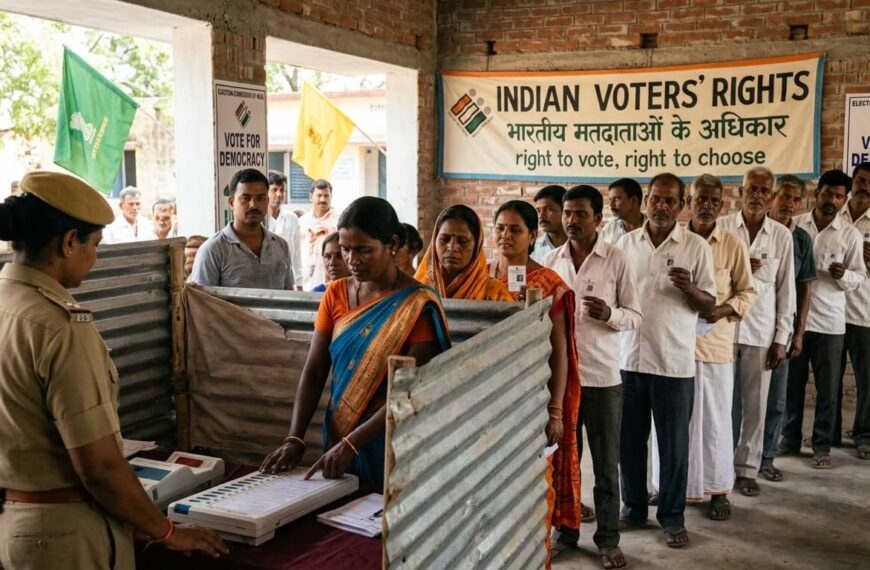
Picture design by Anumita Roy

Prof Bhaskar Majumder superannuated as an Economics professor from GB Pant Social Science Institute, Allahabad. He served as a visiting professor at Central University of Bihar (Patna), Sri Sri University (Cuttack), Banaras Hindu University (BHU), Science College (Calcutta University), and others. He published extensively in 26 reputed journals, authored 11 books, co-edited two, and contributed 38 chapters. He completed 26 research projects funded by the Planning Commission, GoI ministries, ICSSR, the World Bank, NTPC, and Tata Chemicals. An international academic, journal reviewer, and PhD supervisor, he holds degrees from the University of Calcutta. He is our National Editor: Economics and Social Science.


 By
By