
Dr Madhumita examines LGBTQIA+ themes in Hindi-Urdu literature for DifferentTruths.com, highlighting pioneering works by Ugra and Ismat Chughtai with courage.
AI Summary:
- Literary Pioneers: Analyses Ugra’s Chocolate and Chughtai’s Lihaaf as foundational texts addressing suppressed sexualities and social hypocrisy.
- Diverse Approaches: Contrasts Ugra’s aggressive, satirical exposure of exploitation with Chughtai’s subtle, symbolic portrayal of female desire.
- Historical Roots: Asserts that queer narratives are not modern imports but deeply embedded within India’s rich literary tradition.
Discussions of gender and sexual diversity emerged relatively late in Hindi and Urdu literature, but this does not mean that LGBTQIA+ experiences were absent. Several writers, despite strong social taboos, boldly addressed such themes. In particular, Pandey Bechan Sharma ‘Ugra’s’ story collection Chocolate and Ismat Chughtai’s celebrated short story Lihaaf are considered landmark works in this context. These texts not only reveal alternative dimensions of sexuality but also question the hypocrisy of social morality.
Pandey Bechan Sharma ‘Ugra’ is among those Hindi writers who portrayed social realities without restraint. His collection Chocolate, published in the 1920s–30s, created intense controversy in its time. The stories depict themes such as homosexuality (gayism) and child sexual abuse (paedophilia) in stark and unsettling ways. Ugra’s intent was not merely sensationalism; he sought to expose the hidden exploitation thriving beneath the veneer of respectable society. His language is sharp, satirical, and at times appears crude, yet it serves to highlight the moral double standards of society.
In Chocolate, Ugra especially emphasises situations where imbalances of power, age, and class lead to sexual exploitation. He shows that a society that criminalises homosexuality often ignores the distortions within itself. From a modern LGBTQIA+ perspective, Ugra’s works remain controversial because they sometimes place homosexuality and abuse on the same plane. Nevertheless, in a historical sense, Ugra’s writing represents an early intervention in India’s literary discourse on sexuality. He gave language to subjects long suppressed by silence and repression.
On the other hand, Ismat Chughtai’s short story Lihaaf (1942) is a groundbreaking work that gives literary expression to female same-sex desire in the Indian subcontinent. Narrated through the perspective of a young girl, the story observes the relationship between Begum Jaan and her maid Rabbo with innocent curiosity. Instead of explicit narration, Chughtai employs suggestion, symbolism, and atmosphere to convey the relationship. The quilt (lihaaf) becomes not just an object but a symbol of suppressed desires and suffocation.
Both Ugra and Chughtai were courageous voices in their respective times, though their approaches differ significantly. Ugra’s style is aggressive and revealing, while Chughtai’s is subtle and symbolic. Ugra shocks the reader by exposing social distortions, whereas Chughtai invites reflection through psychological depth and emotional nuance. Together, they bring sexuality out of narrow moral frameworks and make it a subject of broader social discourse.
Revisiting these works in the context of contemporary LGBTQIA+ discussions is extremely important. At a time when conversations about gender identity and sexual diversity are becoming more open, it is essential to recognise that such themes have deep roots in Hindi-Urdu literature. Within the constraints of their eras, Ugra and Chughtai gave voice to experiences long pushed to the margins. Their writings stand as examples of literary courage and demonstrate how literature can catalyse social change.
Ultimately, LGBTQIA+ presence in Hindi literature is not a modern import but part of an ongoing tradition. Works like Chocolate and Lihaaf testify that literature has always provided space for voices silenced by society. Today, these texts should be reread with sensitivity, historical awareness, and an inclusive perspective so that both literature and society can move toward greater humanity and openness.
Picture design by Anumita Roy

Dr Madhumita Ojha, a Hindi literature scholar, specialises in folk literature, cultural studies, gender, and marginalised narratives. She earned an MA and PhD in Hindi from Presidency University, plus a BEd from Mahatma Gandhi International Hindi University, Wardha. Author of Folk Literature and Culture, she has published extensively on Kinnar narratives, LGBTQ representation, women’s studies, and Dalit literature. She serves as a guest lecturer at the Hindi University, Howrah, Kolkata.

 By
By
 By
By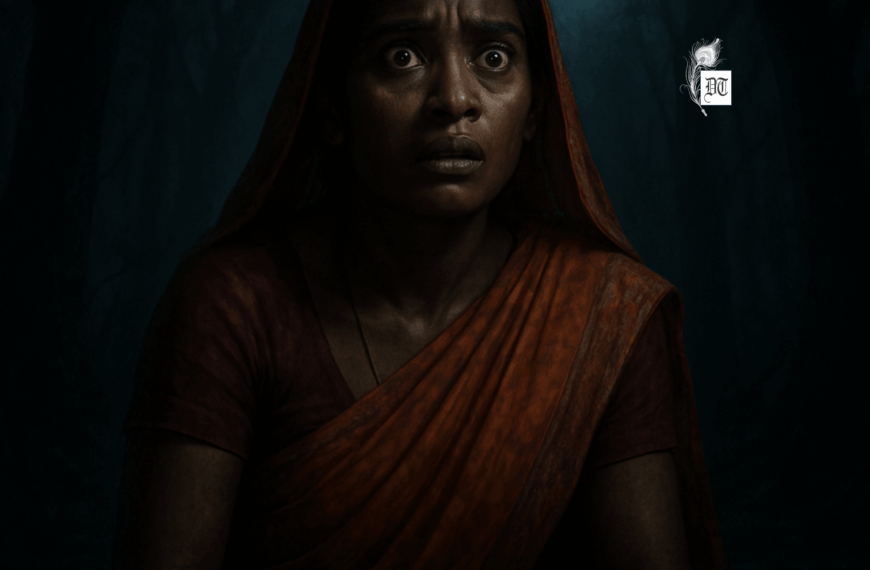
 By
By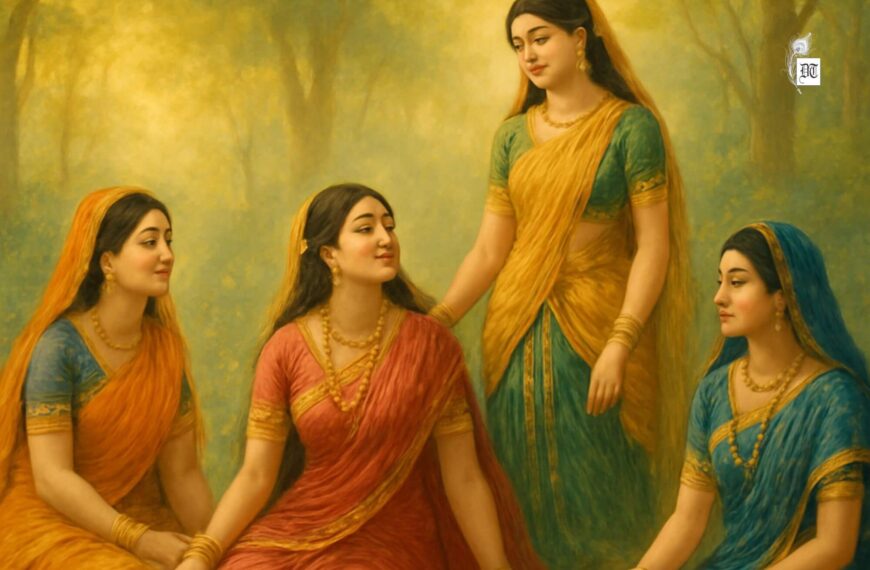
 By
By