As winter comes to a close, Ruchira looks back and recapitulates the winter delicacies for Bengalis. An exclusive for Different Truths.
 This article maybe slightly ill-timed; this year’s fairly extended winter is almost drawing to a close. Nevertheless it may be worth one’s while to take a look at what winter means to folks in my native region.
To Bengalis residing within the state, winter is always a welcome season. For it not only provides relief from sweltering heat and humidity but also brings up a huge cache of seasonal fruits veggies and naturally occurring eatables. For starts, eat a small portion of kacha holud (rhizome of turmeric plant), which floods the markets
To Bengalis residing within the state, winter is always a welcome season. For it not only provides relief from sweltering heat and humidity but also brings up a huge cache of seasonal fruits veggies and naturally occurring eatables. For starts, eat a small portion of kacha holud (rhizome of turmeric plant), which floods the markets at the onset of winter. Replete with vitamins and minerals this holistic tonic for all your body systems, keeps you rocking throughout the winter. Paired with jaggery /gur (sugarcane one), which mutes the raw taste, it tastes fine. Orange is synonymous with winter. Another of nature’s gems, orange is again packed with vitamins and other nutrients and can be consumed in so many ways. From beverage to chicken dishes to dessert it’s oranges all the way!
During winter power packed veggies and greens like cauliflower, peas, spinach, and shim (hyacinth beans) rule the markets. A mélange of these items along with pumpkin, brinjal, and radish makes the perfectly healthy dish Palong shaker ghonto, a spinach dominated mishmash, which is tempered with the famous panch phoran (five-spice seasoning) and green chilies heated in mustard oil. A close cousin is the panch mishali sabji comprising at least five basic components – choose from potato, pumpkin, cabbage, borboti (yard long beans), peas, shim, pumpkin, sweet potato – and more. A touch of bay leaf, whole dry red chilis and a blob of ghee, alongside the ubiquitous panch phoran adds zing to the dish.
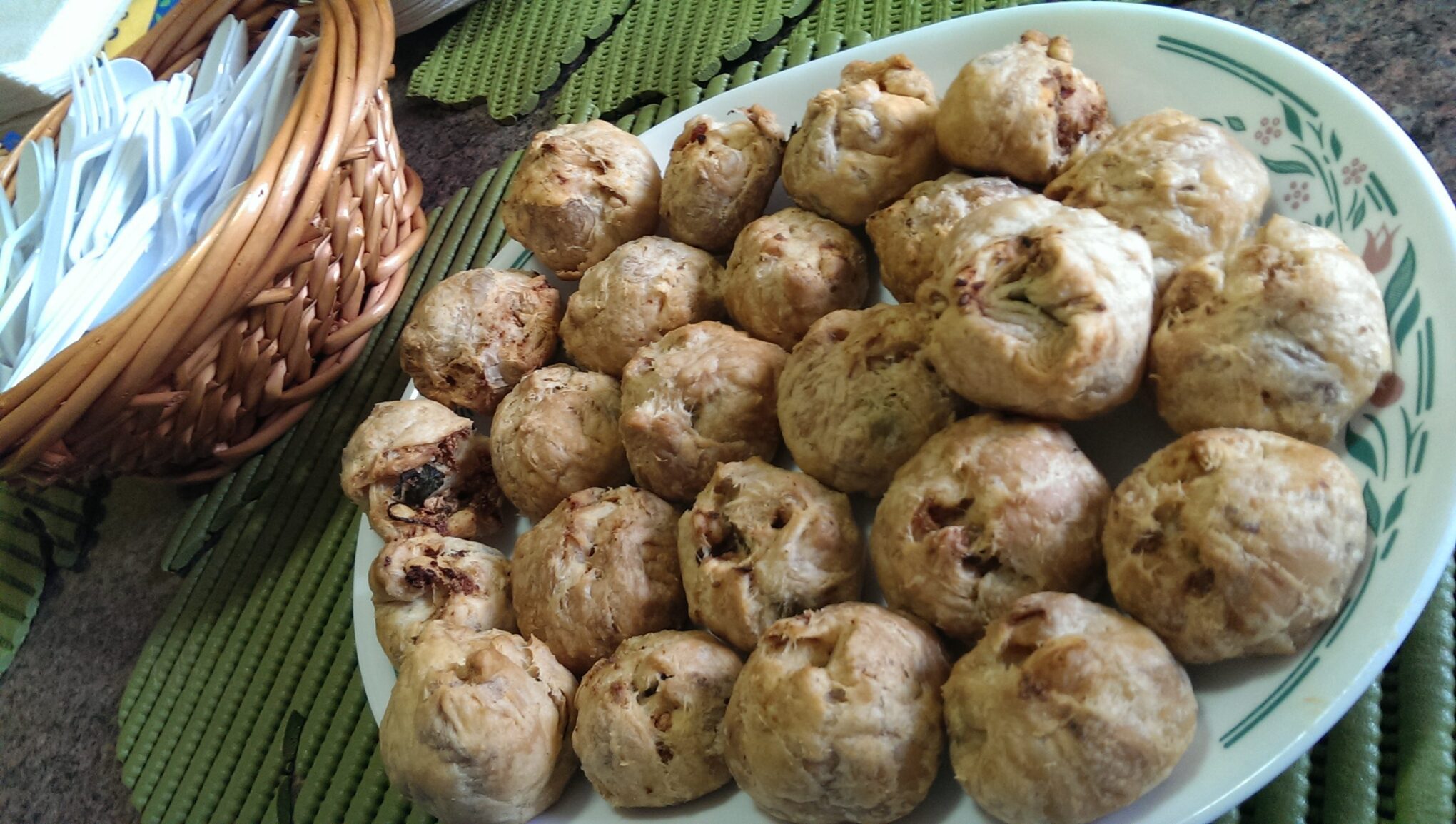
No Babumoshai’s winter is meaningful without the iconic korai shutir kochuri (puris stuffed with spicy mashed peas). It is a laborious process since peas need to be boiled then mashed and next sautéed with spices including chill powder and a dash of hing (asafoetida).
No Babumoshai’s winter is meaningful without the iconic korai shutir kochuri (puris stuffed with spicy mashed peas). It is a laborious process since peas need to be boiled then mashed and next sautéed with spices including chill powder and a dash of hing (asafoetida). The mixture filed puris must be deep fried in boiling oil. Eat kochuris on their own or teamed with alur torkari (potato gravy).Or alur dom for that matter
Each time I eat or make these kochuris, a whiff of nostalgia overpowers me; since I grew up watching Maa dish up lip-smacking kochuris for the family every winter…
The fabulous duo, peas and cauliflower, team up to create the famous phulkopir shingara (samosa stuffed with cauliflower and peas) a popular snack during winter. A gourmand’s delight it sells like hot cakes.
The fabulous duo, peas and cauliflower, team up to create the
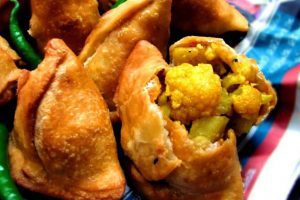
famous phulkopir shingara (samosa stuffed with cauliflower and peas) a popular snack during winter. A gourmand’s delight it sells like hot cakes. A perfect accompaniment for any kind of Cha (tea) on a wintry evening
The Bengali counterpart of the Punjabi gajak is the tiler nadoo (sweetened sesame balls), which target to keep you warm through the winter. They are generally so hard that you need to bite into them with all your might. Quite an adventure.
A major winter warmer is the Nolen Gur (aka date palm jaggery). The sap of date palm trees is collected in earthen pots.
A major winter warmer is the Nolen Gur (aka date palm jaggery). The sap of date palm trees is collected in earthen pots. A few boils later, the liquid assumes a rich, golden-brown hue. Winter’s sweet dishes are unthinkable sans this priceless substance. Naturally Nolen gur finds its way into everything: payesh (kheer/rice pudding) patishapta (pancakes) nadoo (ladooo ) and yes even Roshogolla!
Photos from the Internet

Ruchira Adhikari Ghosh brings a liberal, wide-ranging outlook shaped by extensive travel across India and abroad. Educated at Holy Child School, New Delhi, Sacred Heart Convent, Ludhiana, and Panjab University, Chandigarh, she holds a Master’s in English Literature and a postgraduate diploma in Journalism and Mass Communication. With three decades in media, she writes on travel, books, music, performing arts, women’s issues, and especially food, drawing inspiration from rich life experiences. She is our Features Editor.

 By
By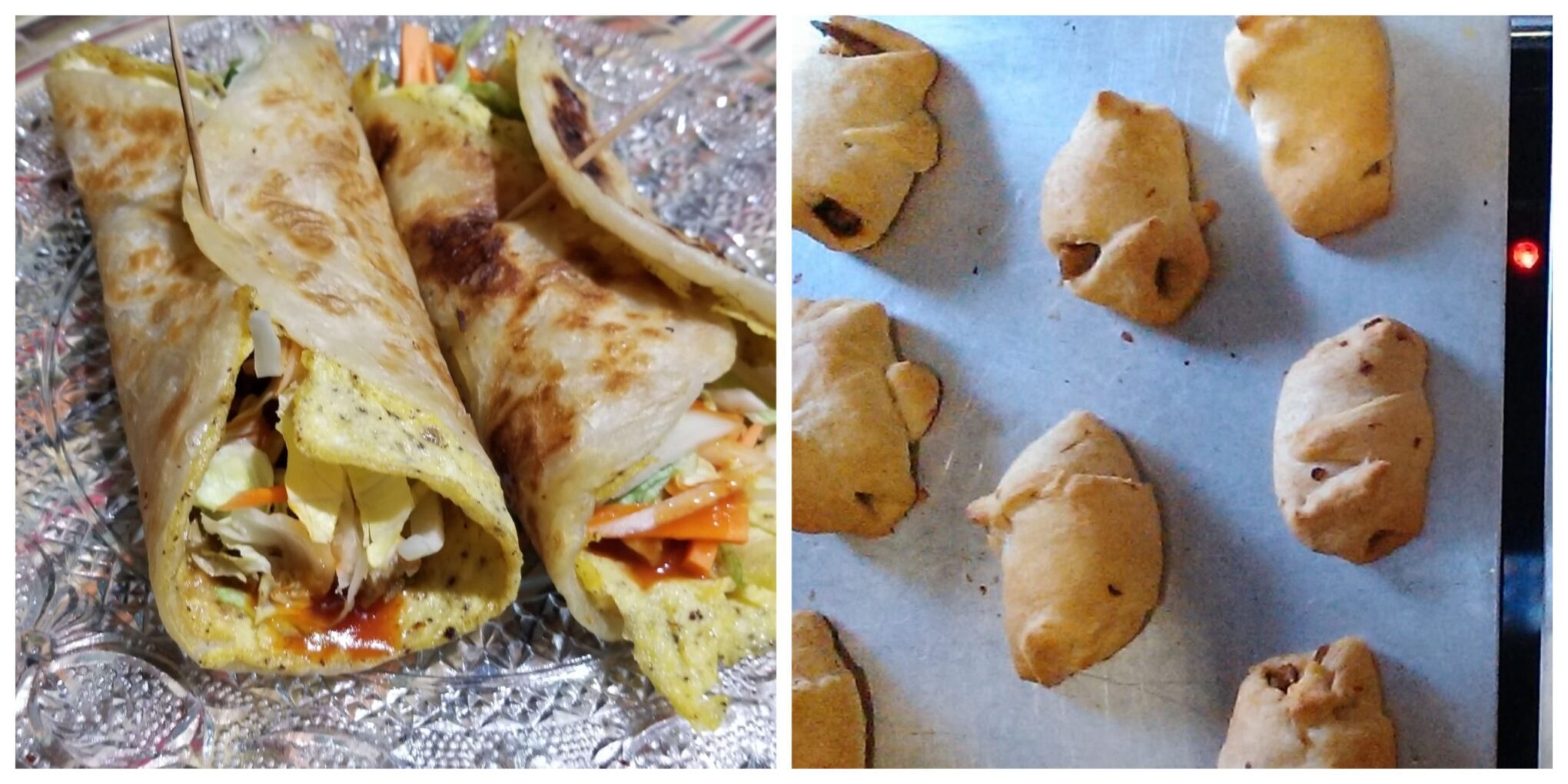
 By
By