
Ritambhara tells us the three things we must know about the use of colourants in plastic ware, in the weekly column, exclusively for Different Truths.
We are often lured by the plastic ware adorned in different hues of orange, red, blue, green, etc. In fact, you name or imagine an attractive piece of your choice and you are sure to find that colour tint in some store or the other near you. But, ever wondered how suitable are these pigments or dyes used in the plastic industry from every perspective? Well, below are three things you should keep yourself abreast with, the next time you select the plastic ware of your choice.
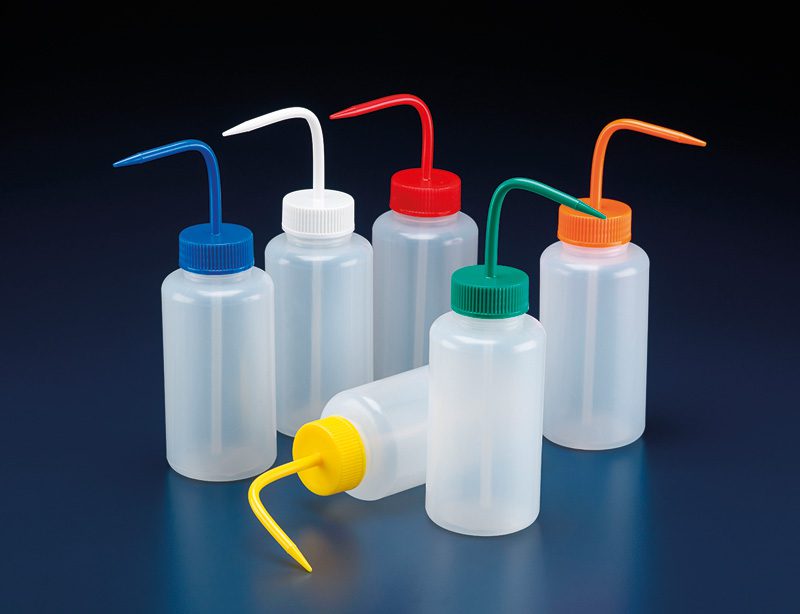
# What are These Dyes or Pigments?
The dyes are heat resistant, durable and transparent. They are used for shading or tinting only a few resins and so their use is limited in the industry. The pigments, on the other hand, have an edge over the dyes as they have better pacifying ability, extended chrome range and more heat resistance and compatibility with a large number of resins.
# How to Select the Colourant?
In choosing the colourant, the processing temperature, heat resistance, dispersion method, weather fastness, gloss, and application are taken into consideration. Based on the base polymer, the colourant is decided. For instance, for polyolefins, pigments are used and for polystyrene, acrylic, and polycarbonate, dyes are the best. A slight variation in any of the factors alters the feature of the plastic to a great extent.
# How Safe are These Colourants?
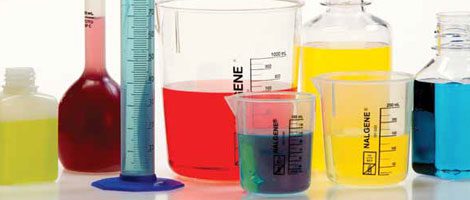
Well, since the plastic ware is used in microwaves and form an indispensable part of our cookware, we should be rightly concerned about its food grade quality. We need to select the colorants that are less toxic and safe for the environment as well. Owing to this, the lead chromate pigments have been banned from use in cookware and replaced with organic yellow pigments for better strengths in PVC and polyethylene. YInMn (Yttrium, Indigo, and Manganese) or better known as the blue pigment has high reflectivity and high UV absorbance in the near IR region and has replaced the traditional cobalt pigment.
©Ritambhari Kumari Upadhyay
Photos from the Internet
#Colourants #ColoursInPlasticwares #HowSafeAreColouredPlastic #UnderstandingDye #ThreeQuestions #DifferentTruths

A Panjab University, IIT- Roorkee, and IIRS-ISRO alumnus, academician, and researcher, Ritambhara is a writer by choice. Her passion for reading and writing has impelled her to foray into the world of writing. As a freelance writer and editor, she loves to pen-down whatever comes to her mind. She staunchly believes, “Truth doesn’t admit any impediments.”

 By
By
 By
By
 By
By