
Dr Reema explores the modern evolution of hair care, generational styles, and parenting on Differentemails.com with warmth and nostalgia.
Key Takeaways
- Generational Shifts: Modern hair trends—from dramatic colours to messy fringes—contrast sharply with nostalgic memories of coconut oil and simple side-partitions.
- The Quick-Delivery Era: The convenience of ordering quick-delivery beauty products highlights how digital accessibility shapes everyday self-care habits.
- Parenting and Empathy: Remembering childhood attachments to long hair helps bridge emails between traditional values and teenagers’ evolving personal style.
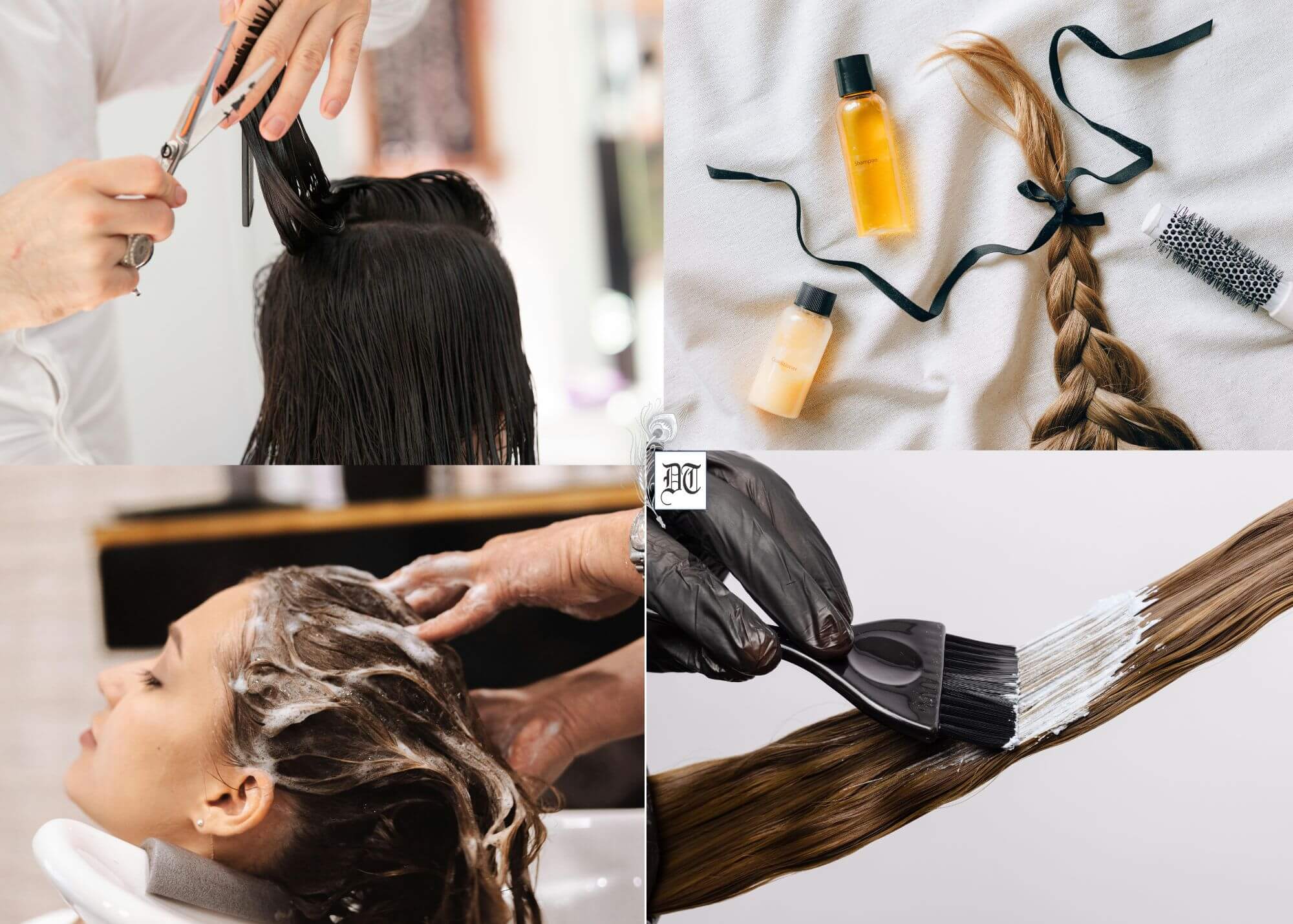
I was looking to order shampoo on a quick-delivery app, as I needed it urgently, within thirty minutes, and there was no time to visit the market. ‘Lusciously thick and long’, ‘Stunning black shine’ and ‘Nourishing soft and smooth’ – multiple subtitles alongside attractive shampoo images cropped up. Each of these was an equally tempting description of my would-be hair texture, and I picked one for myself and another for my son. Though he, being a typical teenager, is in his own league when it comes to hair and beauty solutions. He was bound to reject my purchase for him, and subconsciously, I knew I’d be using both the shampoos.
But, indeed, good-hair days are actually brighter and happier days – even if the definition of ‘good’ in this context has undergone (and will keep undergoing) massive changes. From a simple side partition for boys and two braids for girls to modern-day mushroom cuts, bob cuts, spikes, textured lobs, layered lobs, slick backs, fringes and curtain bangs, we have come a long way. Throughout, it won’t be an overstatement to say that good, well-kept hair can really outdo many (perceived) appearance flaws. Hence, the focus and the emphasis.
Another aspect is the hair colour, which, again, can be available in myriad varieties now. Earlier, it was generally mehndi, lending a reddish-brownish tinge, but now it can be matched with the dress, or the fad, or the inclination. It can be used to look younger, different, stylish or even ‘normal’. After all, a few colourful streaks here and there among hair might add more vibrancy to life, my barber dreamily quoted the last time I went for a trim. It took me effort to resist – I am an old-school person still lost in the hues and shades and magic provided by flowers and rainbows, butterflies, and fresh lemonade and soft music – and depend on the same for all sorts of new ‘vibrancies’.
Coming back to my teenager, he smiles a lopsided smile and laments gender equality for letting him keep his hair ‘long’. He debates about allowing him to keep the front hair, too, lengthy and messy (‘bushy’ as per my opinion) due to the relevantly big size of his forehead. I may roll my eyes, argue, and cajole; I might try to reason, but his (personal) logic prevails without fail.
I reminisce about the days of fragrant coconut oil and simple head baths devoid of conditioners and gels and serums. But it’s okay; change is unavoidable after all and, many a time, even utterly necessary. So, sometimes I indulge my adolescence. I can’t expect him to know, or feel, or remain satisfied with my ‘old-school’. He has grown up watching tattoos and pop music and designer hair – of all shapes and sizes. I can’t change his experiences or the exposure the present-day world gives the kids. So, I satisfy myself with his affection and his otherwise sincere efforts in most directions. His hair won’t define him (though I still, secretly, wish for the evergreen side partition.) And lo, the partition itself has travelled in many directions from left to right and/or stayed in mid- and off-mid positions.
This takes me back to my childhood, too, when Rapunzel’s/Goldi Lock’s fairy tales and the mostly long-haired, pretty-looking TV actresses would unfalteringly make me want to have lengthy, black and silky tresses. And I did have those, but even a slight trim for general upkeep of the locks would send me to tears, putting me in a better position to understand my son’s whims. So, for the time being, I will let him be, for as they say, ‘Life can’t be perfect, but your hair can be.’
Picture design by Anumita Roy

Dr Reema Bansal is an assistant professor of Psychology at Rajiv Gandhi Govt. College, Saha (Ambala). Her articles have been published in the Hindustan Times, Woman’s Era, Psychology, etc. She enjoys reading, sketching, painting, and writing in her spare time.

 By
 By

 By
 By