
Ruchira reflects on the fading traditions of Shubho Bijoya, contrasting nostalgic handwritten letters and heartfelt kolakuli with modern digital greetings on DifferentTruths.com.
Key Takeaways
- Transition of Traditions: The post-Durga Puja melancholy gives way to Shubho Bijoya, marking a shift from handwritten letters and postcards to cold, emoji-laden WhatsApp messages.
- Loss of Warmth: Traditional home-cooked sweetmeats and mandatory kolakuli (embracing) have declined due to lifestyle health issues, busy schedules, and commercialisation.
- Stoic Acceptance: While modern generations and digital platforms like Facebook have reshaped how we connect, accepting these changing social dynamics is difficult.
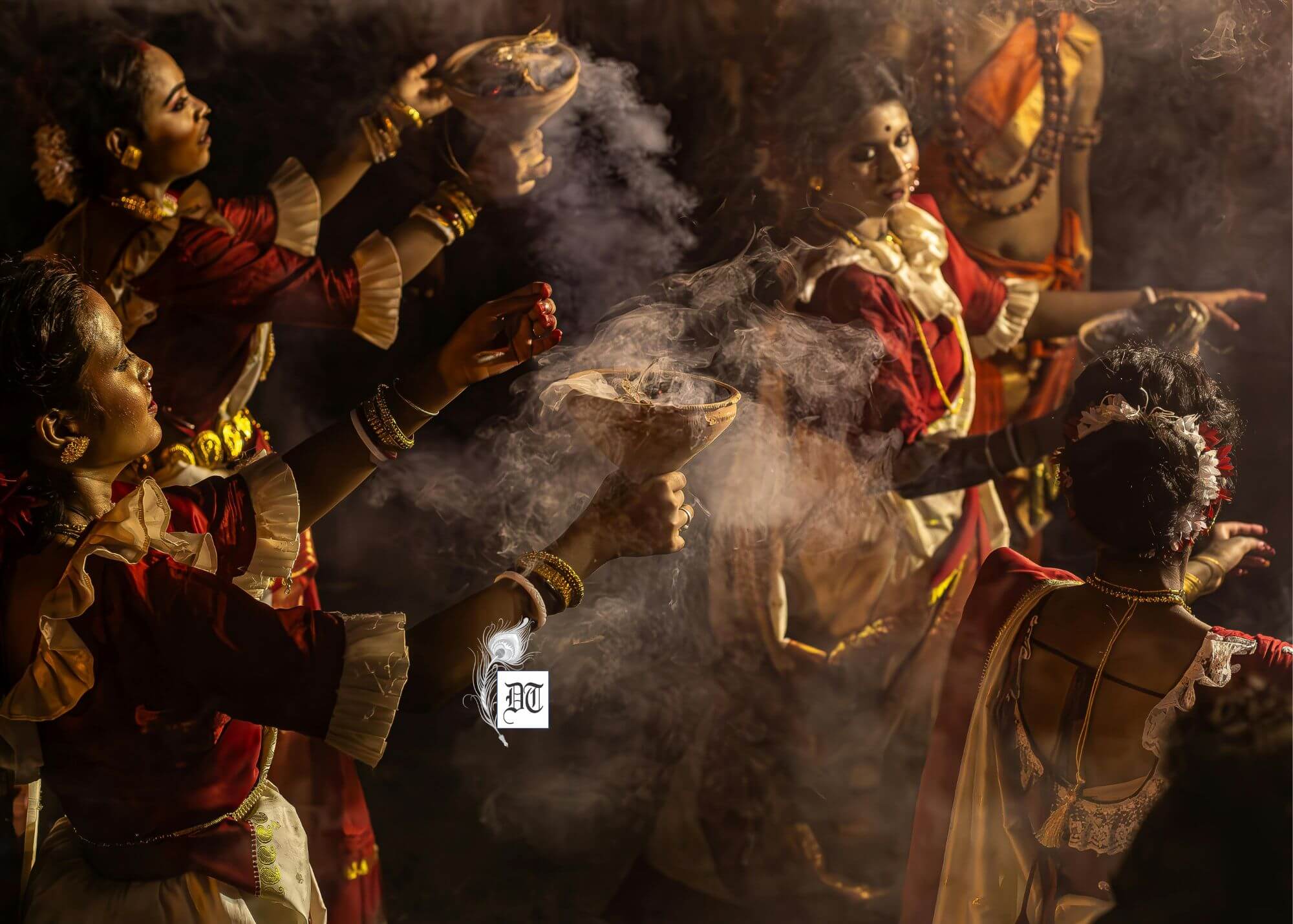
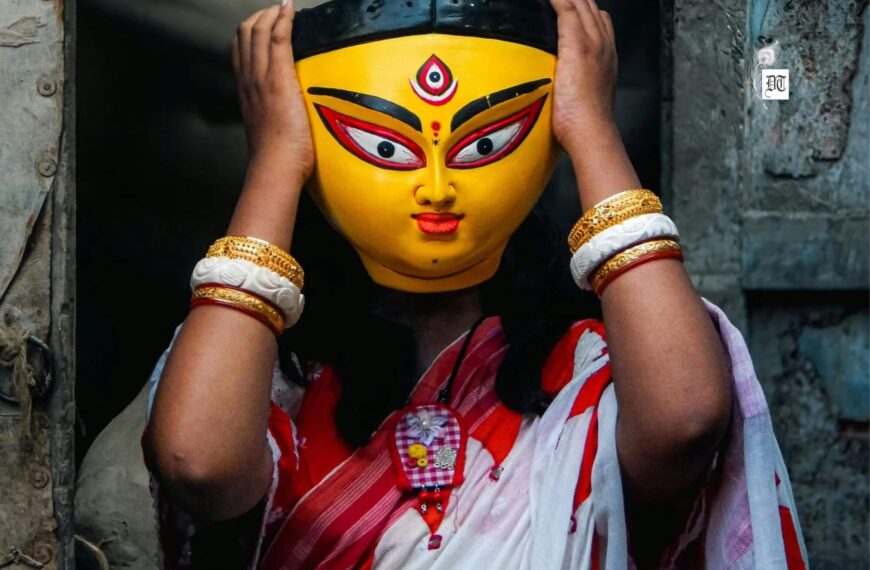
Shakti puja ends with the immersion of Maa Kali on Monday (Nov 9). Before this, the five days of frenzied activities and mad revelry celebrating the beloved deity Maa Durga are finally over, as she has already returned to her sylvan abode. A sense of melancholy begins to pervade the atmosphere. The empty, gaping pandals and vacant platforms where the divine lady and her family once reposed in glory during the ceremonies and rituals now feel desolate.
Woebegone faces, moist eyes, and deep sighs are palpable everywhere. True, she will return the following year, but the wait is agonising. Yet, the fervour and festive spirit must not be allowed to die down. Hence, the Bijaya festivities follow. For the uninitiated, the Shubho Bijoya phase lasts from Dussehra until Kali Puja (Diwali).
As one advances in age, nostalgia and a wealth of memories surface, and one inevitably compares past times with the current atmosphere.
Focusing on my peer group, we, the children of the 1960s, grew up in a different social milieu where sentiments, social ties, and personal interactions were paramount. I recall how my dad (and all fathers, I suppose) would procure a wad of Inland letters and postcards to send greetings en masse to friends and relatives.
There would be at least half a dozen uncles and aunts from both sides of the family, along with grandparents (if they were around) and a bevvy of pishi-mashi, didas, kaku-mamu, and dadus (parents’ uncles, aunts, and grandpas) to write to. To economise, an entire nuclear family would scribble their thoughts and messages on a single inland letter or on sheets of paper, which would then be inserted into envelopes and posted.
I distinctly remember how my mom, who was a stickler for etiquette and discipline, would quickly finish her kitchen chores and then sit down to write her share of messages almost in a single breath. Dad would then seal the envelopes and inland letters (and any postcards, if applicable) and drop them at the nearest post office. I found it amazing that senior relatives, older than my parents, were early birds; their Bijoya messages would arrive right on time.
Nowadays, the younger generations (including Millennials and Gen Z) often say they have no time for such traditions and formalities or for connecting with those beyond their daily lives. Even when they do undertake these social tasks, they prefer to do so quickly via text messages and, more importantly, WhatsApp. Cold and matter-of-fact, often interspersed with a few emojis and digital posters—that’s modern Bijoya in a nutshell!
While we were growing up, the ladies of the house would prepare sweetmeats and other delectable treats, which were kept handy in case neighbours or friends dropped by. It was mandatory to treat them to such delicacies.
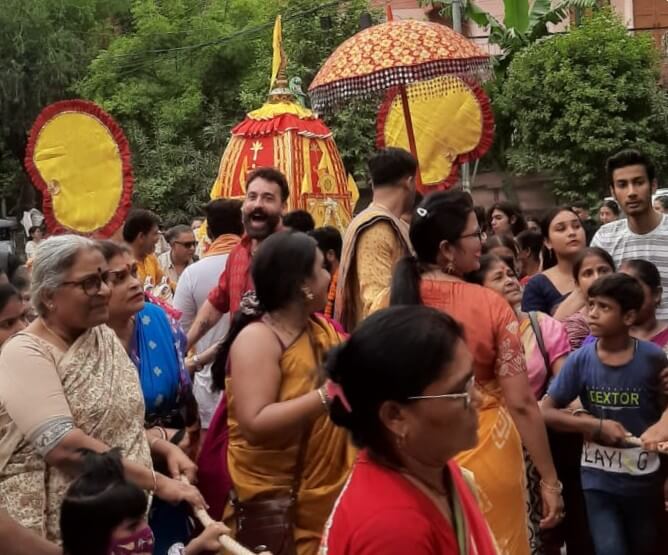
I also miss the mandatory kolakuli (embracing or hugging), which was an integral part of Bijoya celebrations. It was amusing and emotional to witness men hugging one another—brothers, fathers, sons, uncles, nephews, grandpas, grandsons, neighbours, and colleagues; in fact, anyone they felt close to. Women, in turn, hugged the other women around them—no hugging men, please; we are Indians!
Today, what do we have? Many people suffer from lifestyle diseases, such as hypertension and high blood pressure, which compel them to abstain from indulging in delights. Such individuals might only take a minuscule taste of sweets to please their hosts. Nowadays, people seldom visit homes, citing being preoccupied or travelling. In short, social interactions are becoming increasingly virtual—a sad phenomenon for sentimental human beings.
It is disheartening to note that instead of being proactive, some individuals do not even bother to reply to the greetings they receive, citing flimsy excuses or, in some cases, no excuse at all. Kolakuli is also not as common, for reasons best known to them.
Even the genuine, sincere ones are unavailable or reluctant to observe the day owing to lack of resources, workforce, or indifferent health. In contrast to earlier times, people are now going in for commercial varieties for personal consumption as well as gift purposes.
Without the immensely popular Facebook, which has become a sine qua non for modern Indians, letter writing during major social occasions and festivities was the only way to stay in touch with loved ones, whether near or far. Given that sentiments have taken a back seat, it is worthwhile to accept the situation with stoic calm.
Picture design by Anumita Roy

Ruchira Adhikari Ghosh brings a liberal, wide-ranging outlook shaped by extensive travel across India and abroad. Educated at Holy Child School, New Delhi, Sacred Heart Convent, Ludhiana, and Panjab University, Chandigarh, she holds a Master’s in English Literature and a postgraduate diploma in Journalism and Mass Communication. With three decades in media, she writes on travel, books, music, performing arts, women’s issues, and especially food, drawing inspiration from rich life experiences. She is our Features Editor.
 By
 By
 By