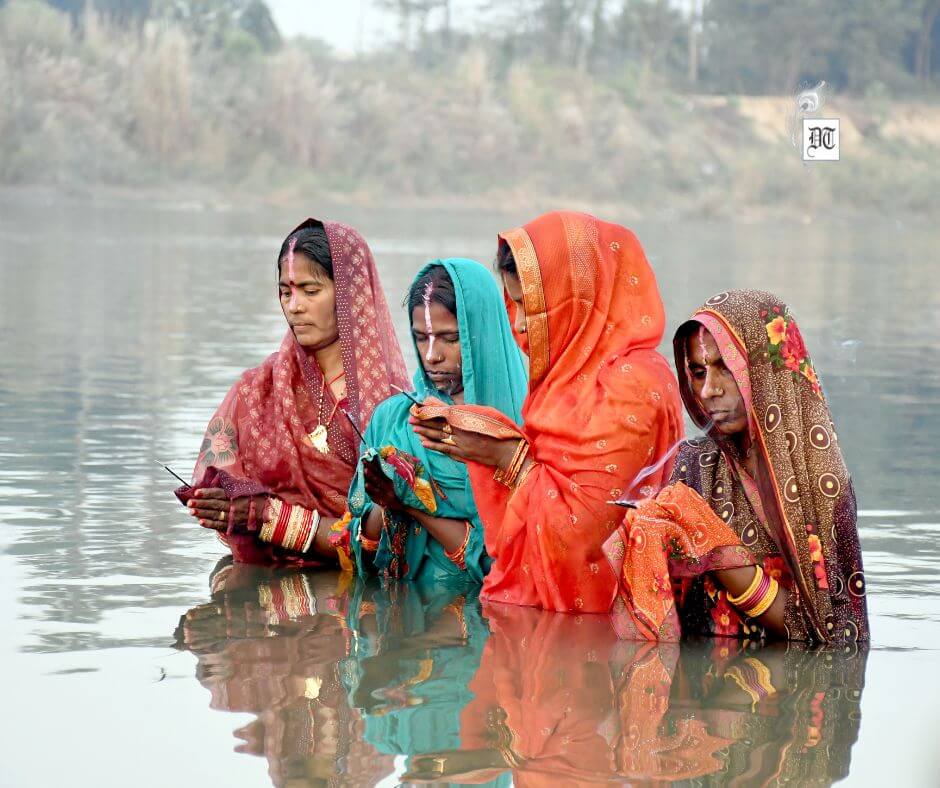
Bihar’s silent revolution: Millions of Jeevika Didis are shattering patriarchy, seizing economic power, and rewriting destiny through Self-Help Groups, reports Rita for Different Truths.
Bihar, a state often defined by traditional narratives and challenging economic indicators, is currently witnessing a quiet yet profound social and economic revolution driven by its women. This transformation is not unfolding in the halls of power, but in the close-knit, decentralised structure of Self-Help Groups (SHGs), particularly under the state’s massive Jeevika program.
From Household to Half-Shareholder
For generations, the status of rural women in Bihar was largely defined by their domestic roles and limited to household economic contributions often managed by men. The advent of large-scale SHG mobilisation has shattered this traditional boundary, offering a pathway to economic agency and social legitimacy.
The genius of the SHG model lies in its simplicity: a group of 10 to 20 women meet regularly, pool small savings, and lend money among themselves at reasonable interest. But the impact extends far beyond simple micro-finance.
Financial Independence: SHGs provide women with their first tangible asset—their savings and the group’s collective capital. This access to credit, often for small businesses like goat rearing, tailoring, or food processing, transforms them from dependents into income-earners and, crucially, decision-makers within the family.
A New Social Identity: Being a Jeevika Didi (Sister) or a group member confers a new, powerful identity. These women are now the go-to people for essential services. They function as Bank Mitras (banking correspondents), Pashu Sakhis (animal healthcare providers), and even Swasthya Sakhis (health coordinators), effectively becoming the state’s most reliable and pervasive service delivery mechanism.
The Political and Social Ripple Effect
The collective power of these groups has created a significant political consciousness. By participating in meetings, managing books, and debating local issues, women develop a shared sense of entitlement and political voice.
This empowerment is evident in two critical areas:
1. Challenging Patriarchy: The financial autonomy gained allows women to speak up against domestic issues, demand better education for their daughters, and resist social evils like early marriage. The requirement of group meetings outside the home has normalised female public presence, leading to greater mobility and participation in the community sphere.
2. Electoral Power: With millions of women organised and aware, they form a powerful voting bloc. Their priorities—clean governance, access to services, and safety—now significantly shape the political discourse, making them a crucial and non-negotiable component of electoral success in Bihar.
While challenges persist—low overall labour force participation and persistent social inequality—the SHG movement is not just about income generation. It is about nurturing leadership, self-respect, and collective action. In this quiet revolution, the women of Bihar are not just earning money; they are rewriting the rules of their own society, one small loan and one regular meeting at a time.
Picture design by Anumita Roy

Born in Shillong, Rita Biswas Pandey’s diverse career spans education and corporate life. A North Eastern Hill University graduate, she holds multiple certifications in social welfare and computer studies. Retiring from UPS to pursue her passion, now a Delhi resident, is a published author (Tinkonya, Yuddha and Kabita somogro ). She also enjoys singing, poetry recitation,sketches, cooking, photography, Blogging and vlogging, sharing her life with her husband, Vinod, and their beloved pet, Titu.



 By
By
 By
By
 By
By