Rita analyses the unrest wherein Nepal’s youth, ignited by a social media ban, unleash fury over systemic corruption, reshaping the nation’s political landscape forever, exclusively for Different Truths.
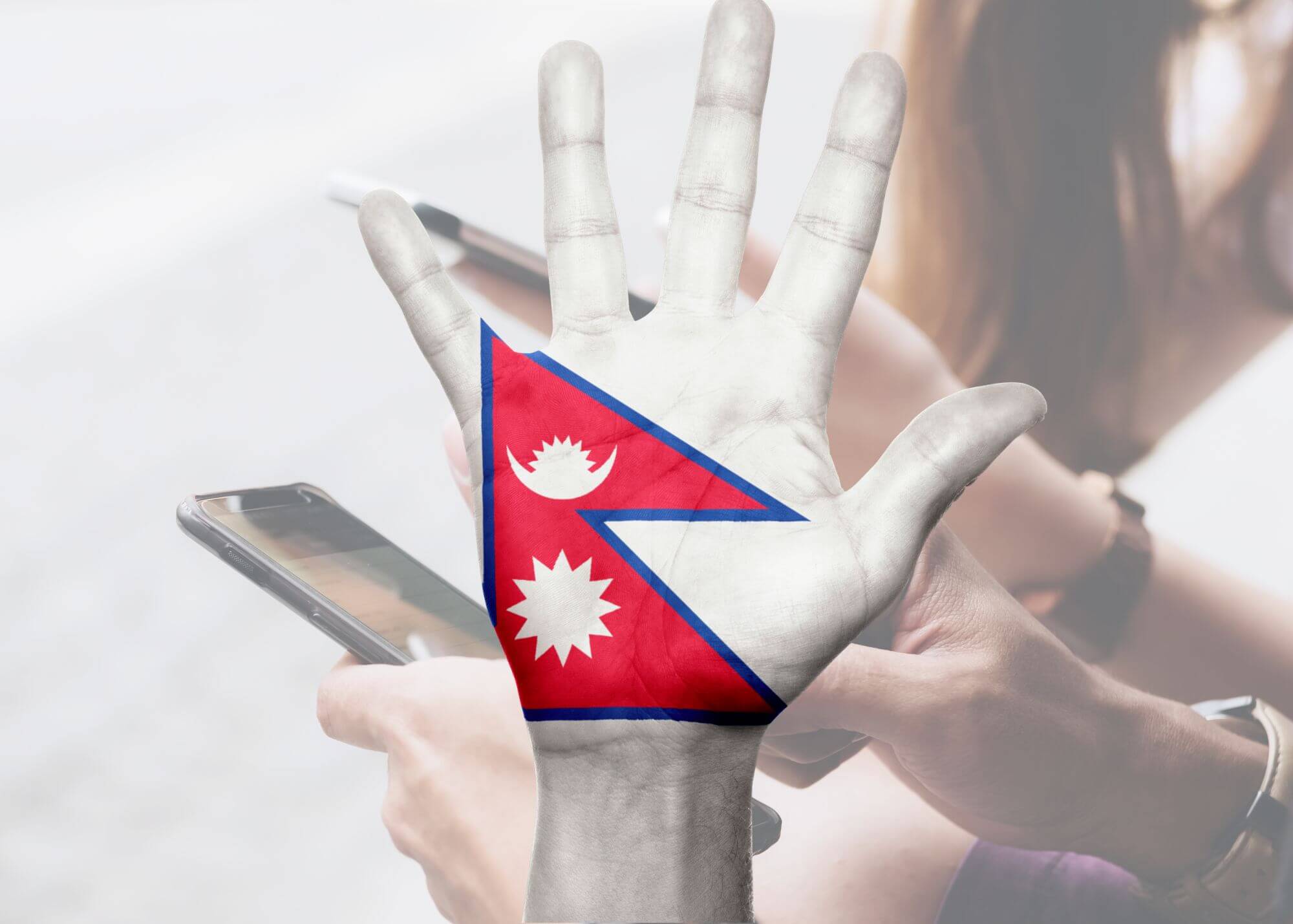
The recent wave of mass protests that swept through Nepal’s capital, Kathmandu, and its surrounding areas is not just a typical political crisis. It is a powerful reflection of the country’s deep-seated problems. The immediate trigger for the unrest was the government’s abrupt decision to ban 26 social media platforms. However, it quickly became clear that this ban was merely a spark, igniting a long-held frustration among a new generation.
A Spark Ignites a Generation
When the government blocked access to social media, the country’s youth, particularly Gen Z, reacted with fury. For them, social media is more than just a communication tool; it is a vital platform for expressing their thoughts and opinions. The sudden removal of this freedom sparked an immediate backlash. What started as an online protest quickly spilt onto the streets.
The true cause of the protests, however, runs much deeper than the social media ban. For years, widespread corruption, nepotism, and the extravagant lifestyles of the political elite have fuelled public anger. The “nepo kids” trend, highlighting the stark contrast between the lavish lives of political families’ children and the daily struggles of ordinary citizens, particularly infuriated the youth. This systemic inequality became the core motivation for their protest.
The Spread of Unrest and Its Violent Turn
The combined anger over the social media ban and deep-seated corruption intensified the protests. Thousands of people took to the streets in Kathmandu and other cities. The situation quickly turned violent, resulting in 19 deaths and hundreds of injuries. The enraged crowds set fire to Prime Minister KP Sharma Oli’s private residence, the President’s house, and other ministers’ homes. They even managed to enter the Parliament building—a testament to the extreme frustration of the people.
The Aftermath and Far-Reaching Consequences
As the situation spiralled out of control, the political landscape was profoundly affected. In the face of overwhelming pressure from the protests, Prime Minister Oli was forced to resign, and the government lifted the social media ban. Authorities imposed curfews in various cities and deployed security forces to restore order. The chaos also led to the closure of Kathmandu’s Tribhuvan International Airport, causing hundreds of flights to be cancelled and disrupting normal life.
This event marks a crucial moment in Nepal’s political history. It proves that social media and internet freedom are no longer just technological issues but fundamental rights. At the same time, the protests highlighted the political awareness and power of the nation’s youth. Generation Z is not just a group of social media users; they are a powerful voice against corruption. Their participation could usher in a new era in Nepalese politics. This event has redefined the country’s political narrative and serves as a clear warning to any future government.
Picture design by Anumita Roy

Born in Shillong, Rita Biswas Pandey’s diverse career spans education and corporate life. A North Eastern Hill University graduate, she holds multiple certifications in social welfare and computer studies. Retiring from UPS to pursue her passion, now a Delhi resident, is a published author (Tinkonya, Yuddha and Kabita somogro ). She also enjoys singing, poetry recitation,sketches, cooking, photography, Blogging and vlogging, sharing her life with her husband, Vinod, and their beloved pet, Titu.

 By
By