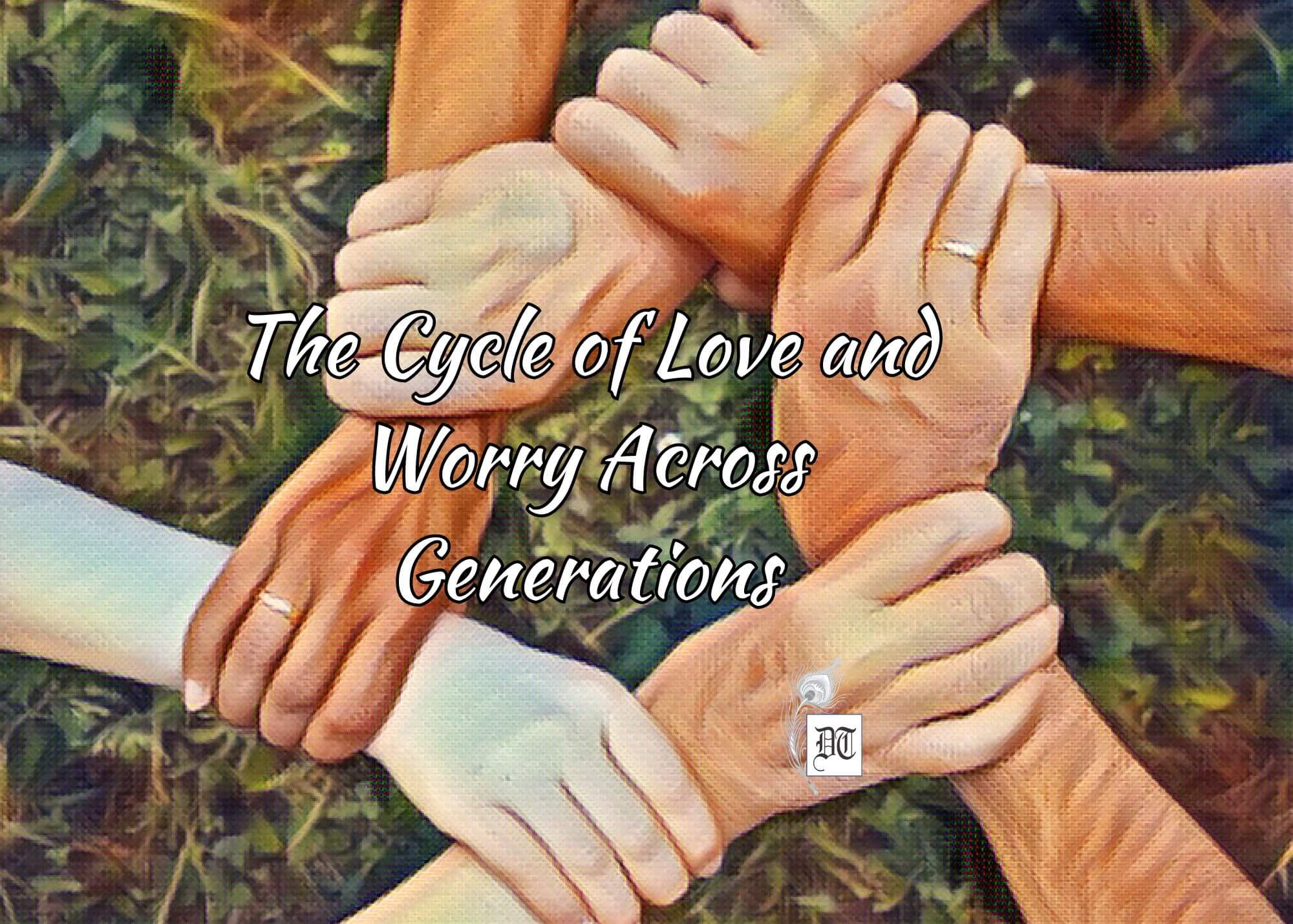

Hein Min resents the protagonist’s mother’s constant calls; now she nags her husband but learned to understand through a late-night wait and a funny laugh, exclusively for Different Truths.
When I was young,
mother would phone me,
again and again,
every after fifteen minutes,
to come back home
when I had been outside
long enough with my friends.
The same went for
when I went to watch zat pwe(s)
when Thadingyut came
that would curtain down
only at the rise of dawn.
I told her off on the phone.
Mother was always holding
me in shackles.
She never understood me.
I was upset with mother
when I was young.
Now, when I am in my 26,
I am with my little hubby.
Last Saturday,
he attended a late-night puja,
at the temple in the next street
from where he lives.
I called him.
“He has left his phone at home,”
my mother-in-law answered.
The time was 11,
slowly half an hour

went by, then came 12.
Inside, my belly was churning.
I was tossing and turning in bed.
I nagged her with
intermittent phone queries.
Every time,
she reassured me of
his safe return.
At last, at 1 a.m,
my little hubby
helloed me on the phone.
I scolded him half weeping.
He only laughed at me;
his cursory laughter rippled through.
That night, I dozed off,
after sweats, pains and
dropping tears.
Note:
Thadingyut: The seventh month of the Myanmar calendar.
Zat pwe: A kind of dramatic performance which includes singing and dancing.
Picture design by Anumita Roy

Hein Min Tun, a Myanmar-born writer, has won the Bharat Award for Literature’s “Distinguished Writer Award for Excellence in Literature” twice and is a recognised fiction writer. His short fictions “The Outcast” and “The Love Song” have gained recognition, and he has also won the “Chanting Bards Award for Poetry Recitation” in 2023. His debut book, “Crescendo,” is set to be released soon.



 By
By
 By
By
 By
By