Rita questions, why do the environmental spotlight intensely target Diwali’s spike, overlooking the catastrophic, year-round pollution from industry and conflict? An exclusive for Different Truths.

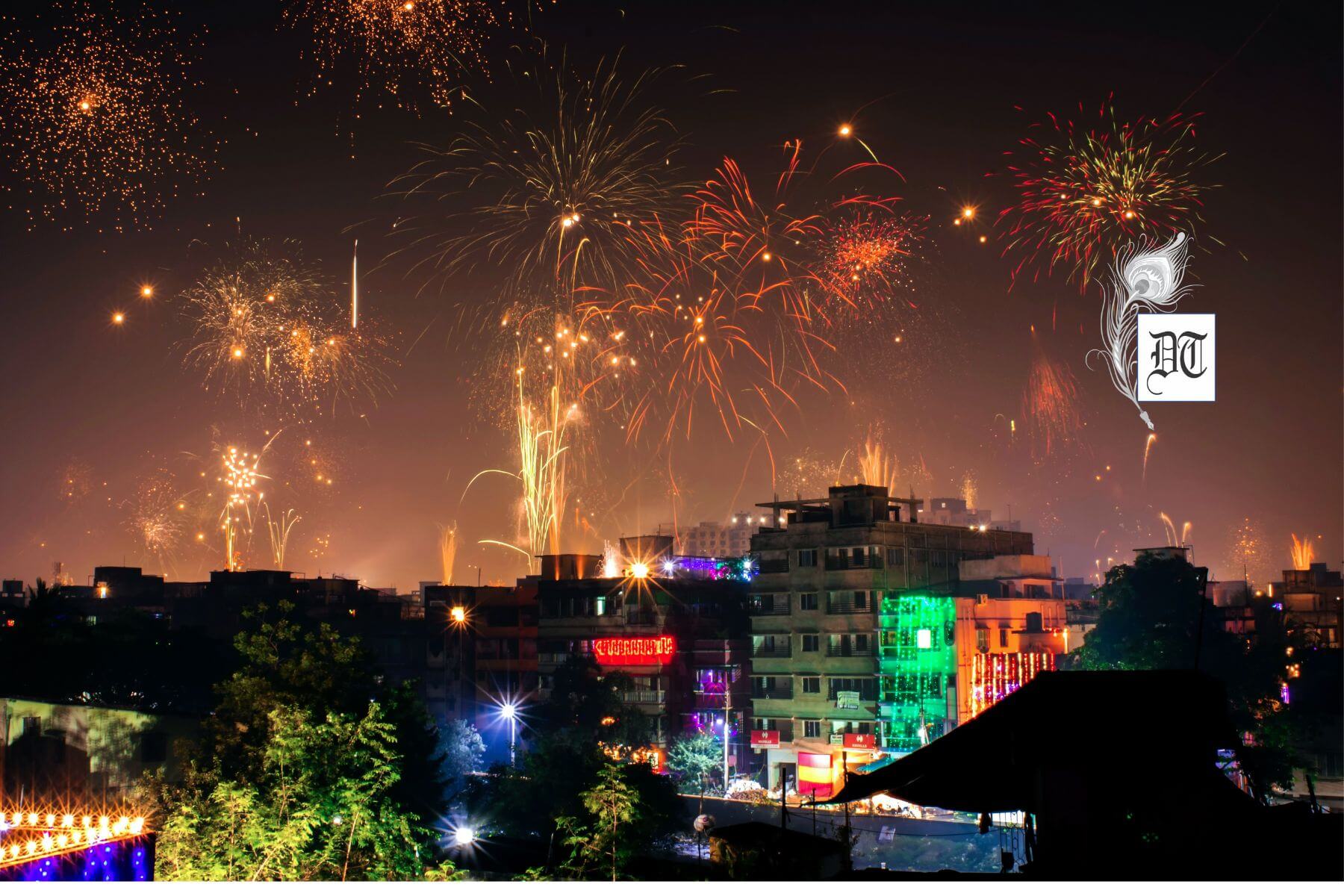
The question raised cuts to the heart of a global paradox: In a world scarred by armed conflicts, relentless industrial output, and massive year-round pollution sources, why does the environmental spotlight seem to shine so intensely on a single, short-lived cultural festival like Diwali?
This article explores the reasons behind this selective focus, arguing that while Diwali’s pollution is a real and immediate health concern, the overwhelming attention it receives reveals a complex mix of systemic failure, cultural politics, and the sheer visibility of the event.
The Scale of Global Calamity vs. The Festival Spike
The premise is undeniably true. Military conflicts leave behind a horrifying environmental legacy: destroyed infrastructure, toxic waste, fires, and massive carbon emissions. Furthermore, the daily pollution from industrial sectors, thermal power plants, construction, and vehicular traffic contributes a constant, colossal volume of harmful pollutants globally. These are the chronic, systemic issues that define our climate crisis.
This is not a slow, cumulative problem; it’s an immediate public health emergency.
Atmospheric Trap: Diwali often coincides with the onset of winter when a meteorological phenomenon called ‘temperature inversion’ occurs. Cooler air near the ground traps pollutants, preventing them from dispersing. The cracker smoke is injected directly into this stagnant, trapped air, causing pollutant concentrations to skyrocket and linger for days.
High Visibility: Unlike the diffused, year-round pollution from a distant factory or a power plant’s smokestack, the cracker smoke is an unmistakable, self-inflicted, and visually dramatic source of pollution. It is a tangible, easily observable event that provides immediate, alarming data points for media and environmental bodies.
The Double Standard: An Erosion of Trust
For many, the heavy focus on Diwali firecrackers feels like an act of environmental hypocrisy, or a case of blaming the victim while ignoring the main perpetrators. The resentment stems from a few key factors:
Systemic Failure is Ignored: Why is the focus not on shutting down polluting factories, controlling construction dust, or upgrading public transport, which account for the majority of the pollution load? By only cracking down on a cultural festival, authorities appear to be deflecting attention from their own systemic failures.
Cultural Target: The restrictions are perceived by some as an attack on a specific religious or cultural tradition. They question why other festivals (like New Year’s Eve fireworks in the West), large-scale celebratory displays, or even the vast emissions from major international events do not face the same degree of public or judicial scrutiny. This frames the environmental debate as a cultural war, rather than a universal health and environment issue.
The ‘Individual vs. Industry’ Divide: The discourse often places the entire burden of responsibility on the individual citizen to stop celebrating a tradition, while colossal industrial and governmental polluters face less immediate or impactful regulation. This undermines the public’s faith in the sincerity of the environmental movement.
The Way Forward: Beyond Selective Scrutiny
The central challenge is to move the conversation from a single, high-profile event to comprehensive, year-round action.
Focusing on the Diwali spike is necessary because of its acute and immediate danger to public health, but it is insufficient to solve the long-term crisis. Environmental action needs to be holistic, acknowledging that:
Cultural Solutions are Possible: The solution is not to extinguish the spirit of a festival but to evolve its celebration. This is why the push for community-based, cracker-free celebrations, laser shows, and the use of diyas (earthen lamps) aligns tradition with responsibility.
Global Accountability is Essential: The world must apply the same environmental rigour to military emissions, global supply chains, and industrial giants as it does to a religious festival. Climate diplomacy and international pressure must be relentless on the largest, chronic polluters, especially in the context of global conflicts.
In conclusion, while the pollution spike is a genuine and deadly health hazard, the question of its disproportionate attention highlights the frustrating lack of accountability for the slow, grinding environmental destruction caused by industrial and political powers. The desire for clean air must transcend selective scrutiny and evolve into a unified, consistent, and equitable commitment to environmental protection every day of the year.
Picture design by Anumita Roy

Born in Shillong, Rita Biswas Pandey’s diverse career spans education and corporate life. A North Eastern Hill University graduate, she holds multiple certifications in social welfare and computer studies. Retiring from UPS to pursue her passion, now a Delhi resident, is a published author (Tinkonya, Yuddha and Kabita somogro ). She also enjoys singing, poetry recitation,sketches, cooking, photography, Blogging and vlogging, sharing her life with her husband, Vinod, and their beloved pet, Titu.


 By
By