
During a research about taxes, the author’s attention was drawn to the facts of luxury taxes. There she discovered that tampons and pads come under the umbrella of luxury taxes. What? Her fellow females and she, experience the luxury of bleeding every month? Are we paying for being a woman, asks Anumita, as part of the Special Feature, exclusively for Different Truths.
Growing pains are never very pleasant. I was barely 9 or 10 years old when I had my first period. My mom introduced me to the world of pads or sanitary napkins. It was something new and my body was going through a change, but the disposable napkins helped me learn about feminine hygiene. Thinking back now, I feel a sense of gratitude that my parents could afford sanitary napkins to help me through my painful and confusing transitions.
At that time, we lived in South America. Once during a trip to India, I learned that women there still used old cotton cloths as pads. They washed and dried them to be reused. Often these pieces of clothes were stained and were not disinfected. This was prevalent in the outskirts of the city mainly due to low availability of expensive sanitary napkins. This was many years ago. Things have changed now, or have they?
India has people like Arunachalam Muruganantham, felt the pinch and pain of women who could not afford a sanitary napkin during their periods. His tireless effort to invent the machine which would produce cheap yet effective napkins paid off after a number of trial and errors. We need more of such people around the world.
In many countries still today, sanitary napkins are either so expensive or not easily available. In Africa, one out of ten girls cannot attend school during the few days of period every month. They miss out on education and life, while some women in remote parts of China use cactus leaves to absorb their bleeding. That is unthinkable. These cactus leaves are even handed down from generations. 1
Presently I reside in the United States. During a research about taxes, my attention was drawn to the facts of luxury taxes. There I discovered that tampons and pads come under the umbrella of luxury taxes.
What? My fellow females and I, experience the luxury of bleeding every month? Are we paying for being a woman?
In 2016, a California congresswoman, Cristina Garcia, went through a lot of petitioning to abolish the tax on feminine hygiene products. This was now popularly known as the “tampon tax”. According to her finds, taxes on tampons and other feminine hygiene products mounted about $20 million annually in the state. 2
John F. Due and John L. Mikesell in their book, Sales Taxation: State and Local Structure and Administration, states that an ideal sales tax should apply to all final consumer purchases, without regard to whether items are classified as “necessities” or “luxuries.” Sales taxes “should apply to all consumption expenditures… at a uniform rate.” 3
That makes sanitary napkins, tampons and all associated feminine hygiene products taxable.
The operative word, ladies, and gentlemen are ‘luxury.’
In the fifty states of America, few states have abolished this tax and few states do not have sales tax. Minnesota, Maryland, Massachusetts, New Jersey and Pennsylvania are the only states that do not have sale tax on tampons. States that do not have sale tax altogether are Oregon, Montana, Delaware, New Hampshire and Alaska. And, states like Illinois, New York, and Connecticut moved to abolish taxes on tampons and women hygiene products, in the year 2016. But, a majority of the country still taxes all woman for bleeding every month.
There are lots of controversies and debates on this matter. Taxing goods in general and that pads and tampons not being a luxury good is still a hot topic.
The luxury tax specifically states that luxury items are those which are not considered essential, such as luxury cars and items such as jewelry. 4 Does mensuration qualify as a luxury?
Taxing on tampons and sanitary napkins do not stop in the US, it is a global phenomenon. In 2015, London became the hot spot as a woman ran a marathon without wearing a tampon during her periods. She wanted to bring the attention of the world to this issue.
Hashtags like #HappyToBleed and #FreeTheTampons 5 became rampant.
Here is a snapshot of the percentage of taxes on women hygiene products around the world:
Australia 10%
Canada 0%
France 5.5%
Germany 19%
Italy 21%
The United Kingdom 5%
The United States varied taxes 6
The first country to abolish tax on mensuration products was Kenya. Canada did the same in August of 2015. Ireland levied no-value taxes on such products. Many other countries around the world have taken up this issue and have reduced the taxes or VAT on the feminine hygiene products.
Being a woman, this topic did make me feel that we are unjustly taxed for being a female. My bleeding is not my choice, so why would it be considered a luxury?
On the occasion of International Women’s Day, I would like the world to think about the issue of removing a tax on necessity items like sanitary napkins and tampons.
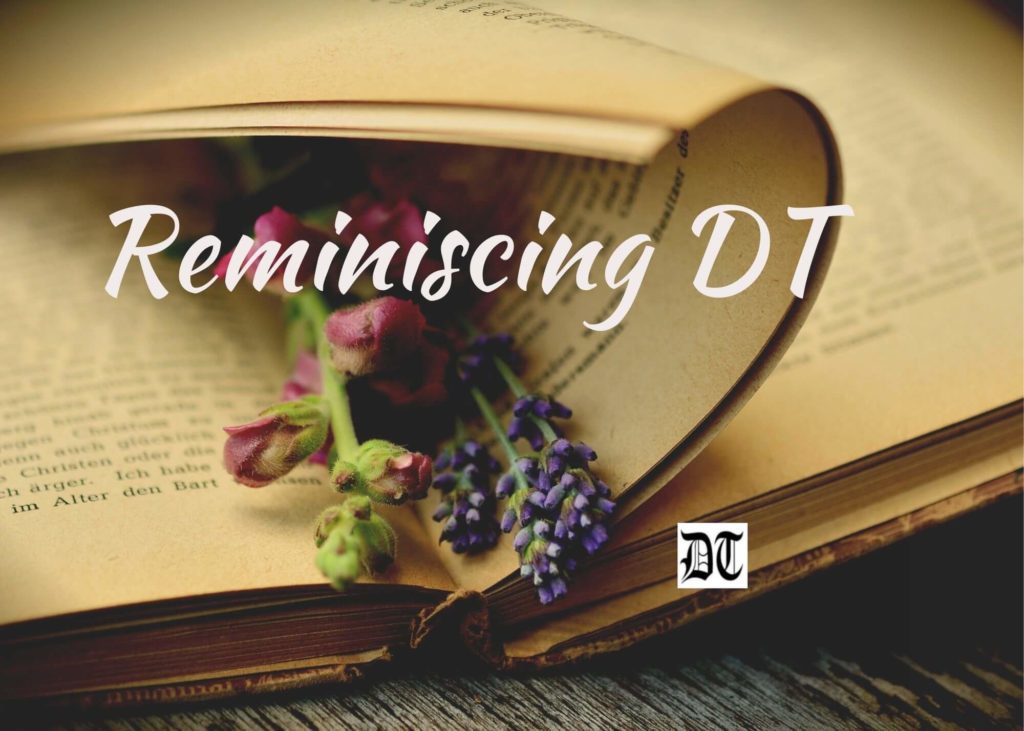
Having periods is not a luxury for a woman from any angle.
Reference
- http://www.telegraph.co.uk/women/womens-life/11970759/Periods- How-women- around-the- world-cope- with-the- luxury-of- periods.html_
- https://www.washingtonpost.com/news/wonk/wp/2016/01/08/the-tampon- tax-explained
- https://taxfoundation.org/tampon-taxes- sales-tax/
- https://tax.laws.com/tax/luxury-tax
- http://www.bbc.com/news/world-us- canada-37365286
- http://www.marieclaire.co.uk/news/tampon-tax- around-the- world-20545
Picture design by Anumita Roy, Different Truths

Anumita Roy is an artist at heart and legal/medical interpreter by profession. She creates word images in her verses and loves to write short stories. Mother of children in the spectrum, she advocates special needs issues in whichever way possible. Born in India, brought up in several countries, makes her a true global citizen. She now lives in the Columbus, Ohio, with her family and follows her passion for writing and advocacy being the Managing Editor of Different Truths.

 By
By
 By
By
 By
By