
Sarika reminisces that growing up in Assam, paan was a cherished tradition. This recipe for Gulkand Rabri, inspired by its sweet nostalgia, offers a taste of home and joy, exclusively for Different Truths.

In my hometown of Assam, paan isn’t just a treat—it’s a tradition, a symbol of warmth, and a deeply cherished ritual. I grew up watching people relish paan with such delight that it almost felt sacred. It’s more than just a mouth freshener; it’s a full experience. The betel leaf is lovingly layered with beetle nuts, dry coconut shavings, a handful of fragrant masalas, and the jewel of the mix—gulkand, that luscious rose petal preserve. In Upper Assam, it’s still customary to offer paan to elders whenever they visit—a gesture of respect wrapped in a leaf.
Weddings? Assamese people don’t just send out invitations—they wrap them in tradition, often quite literally with a paan leaf as part of the offering. It’s the way of blending joy with heritage.
I still remember those winter afternoons when all the aunties would gather together, wrapped in shawls, sipping chai, and sharing stories from their daily lives. Their conversations flowed effortlessly—from tales of success and failure to parenting struggles, recipes, and family gossip. And through it all, there was one constant companion: a paan in hand.
Looking back, I realise that was their version of “me time.” They didn’t call it self-care or talk about mental health the way we do now, but perhaps that was their way of coping—with each other, with laughter, and with shared experiences. As one therapist once said, “Share your heart, and half your burden is lifted.” Maybe they already knew that without ever needing to put it into words.
Betel leaves have long been a part of Indian life—not just as a delicious after-meal indulgence but also in our prayers, rituals, and remedies. Rich in vitamins like C, thiamine, niacin, and riboflavin, and a wonderful source of calcium, these leaves aren’t just flavourful—they’re healing, too. From aiding digestion and managing diabetes to healing wounds and even warding off headaches, this humble leaf has been a quiet miracle worker in our households.
This Holi, swept away by the nostalgic sweetness of gulkand, I found myself making something close to my heart—
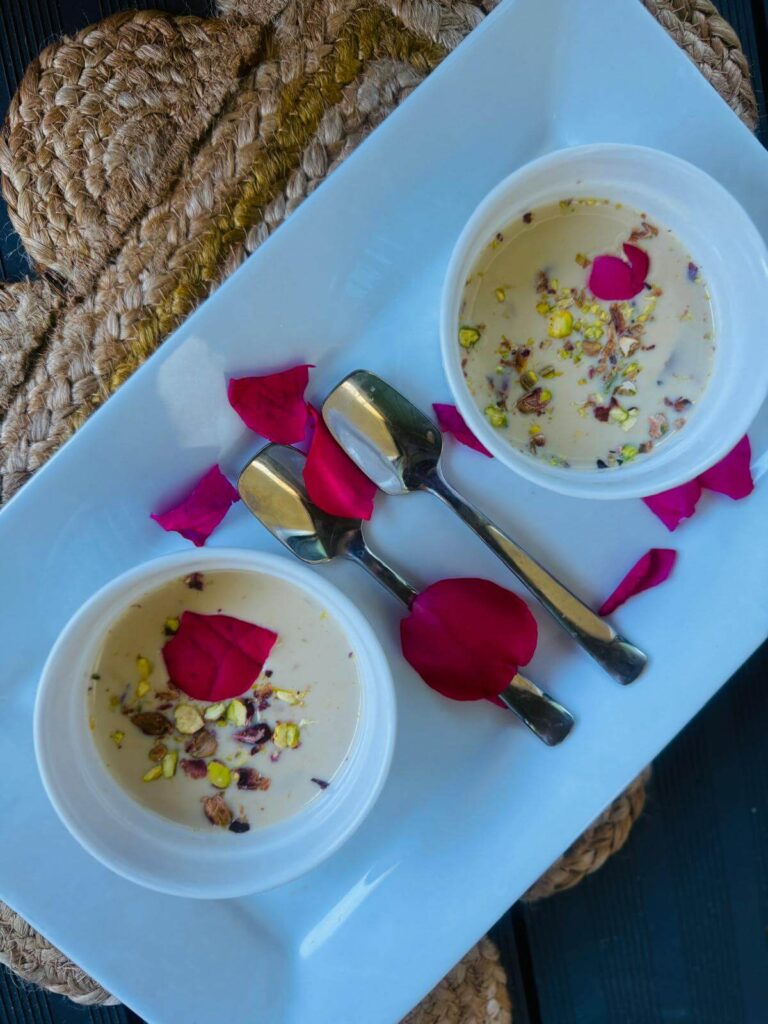
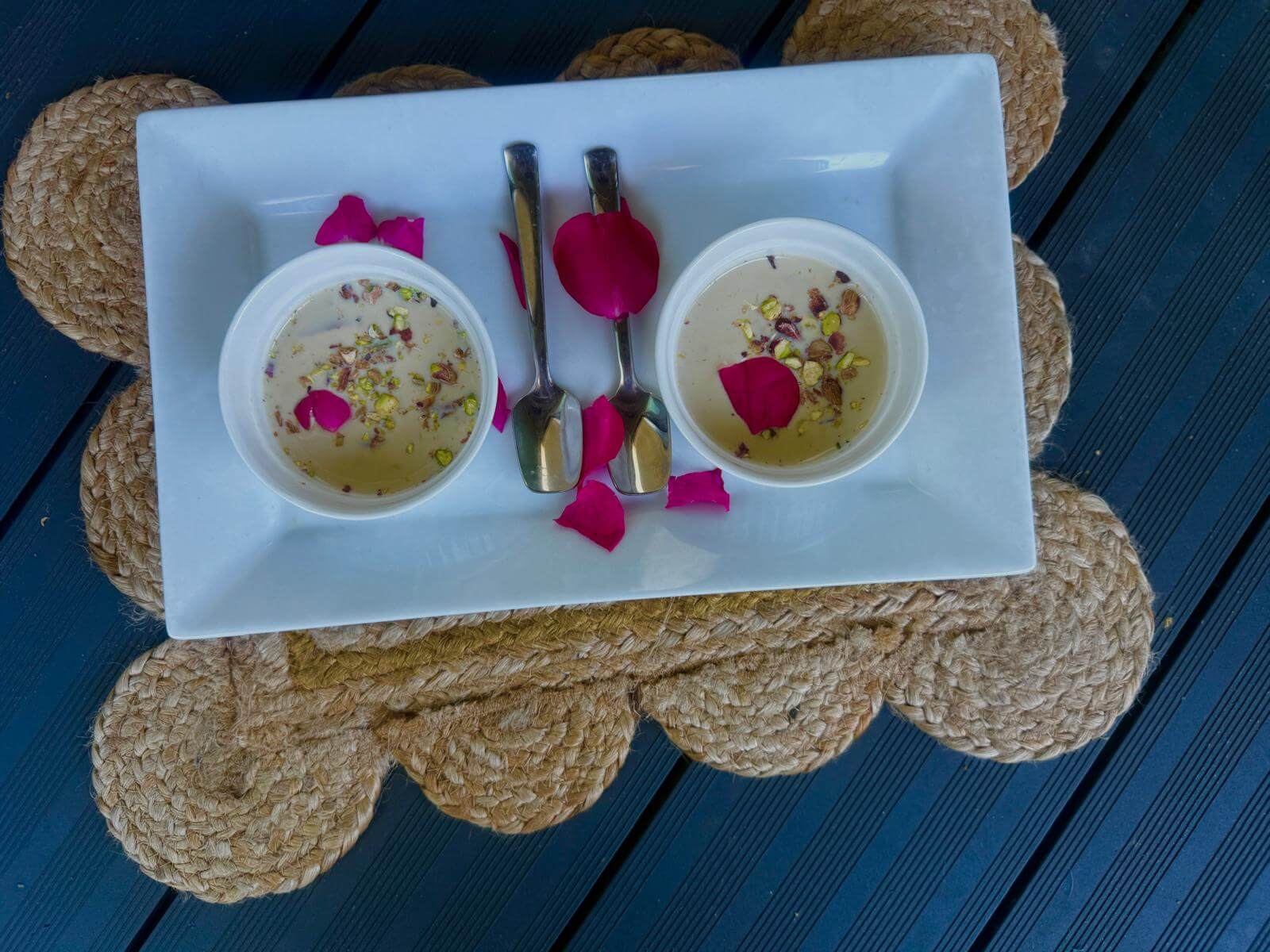
Gulkand Rabri. It’s a slow-cooked, creamy milk pudding kissed with the floral elegance of rose water and generously laced with gulkand—the soulful rose petal preserve that tastes like memories wrapped in sweetness.
I took it to work, and what a hit it was! My colleagues went back for seconds… and thirds. Just last week, I recreated it for a quiet dinner at home, and watching my guests savour it—eyes closed, smiles blooming—was nothing short of magical.
Yes, Holi may be behind us, but who says celebrations need a date on the calendar? We all deserve a little indulgence now and then—to pamper ourselves or surprise someone we love with something sweet and heartfelt.
If you have a sweet tooth—or know someone who does—this dessert is a must-try. It’s more than a recipe. It’s a whisper of home, a dash of tradition, and a big, comforting spoonful of joy. Tried and tested, it was soul-satisfying.
Ingredients
1.5 litres, full-cream milk
2 tbsp Gulkand
2 tsp rose water
2-3 condensed milk (according to taste)
As required, chop the pistachios and a few rose petals for garnishing.
Photos by the author

A teacher, day dreamer, random experimental cook and some hit and miss photography, and at last love to call myself a full time mother.


 By
By