
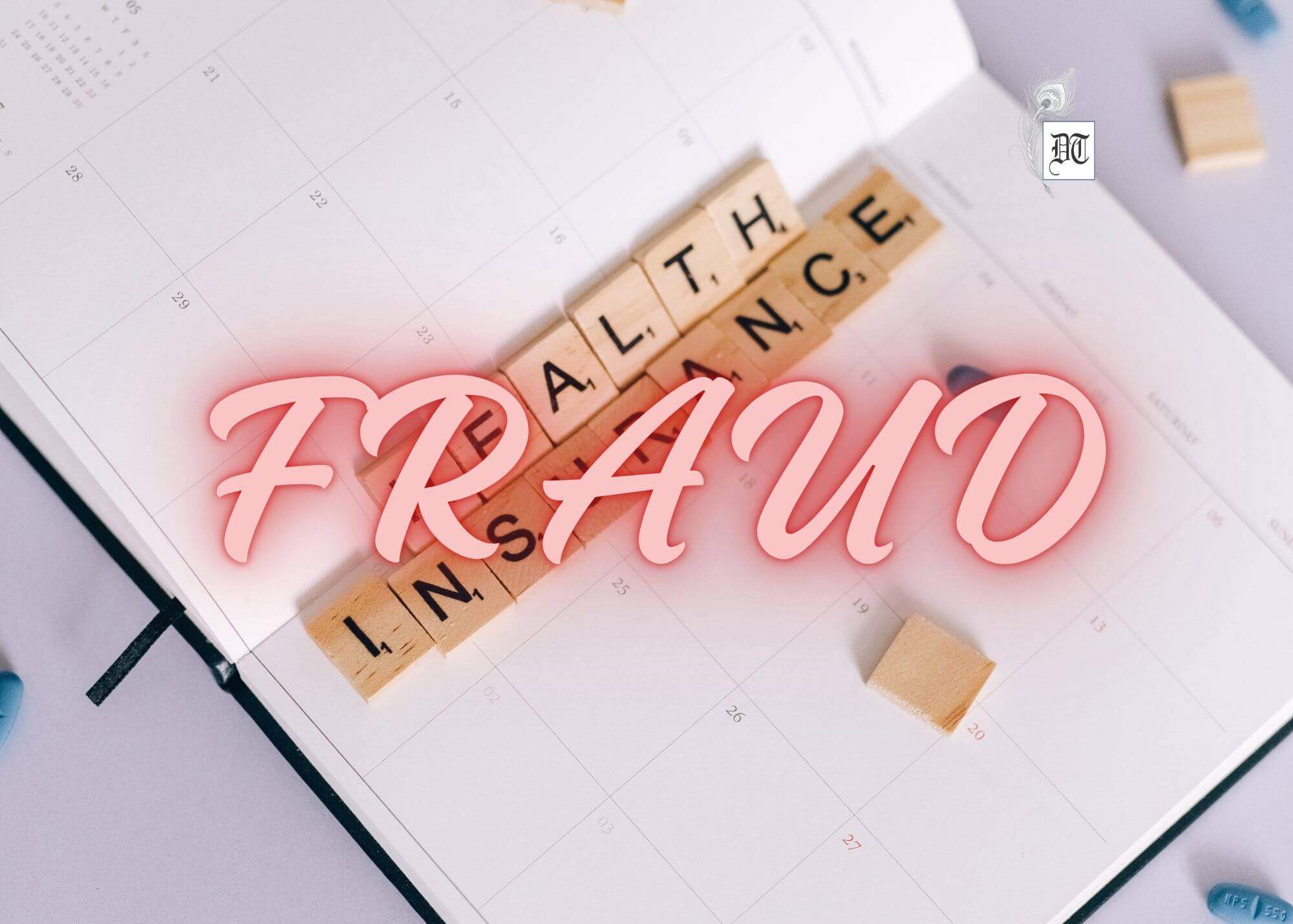

In this column, Dr Dhiraj exposes the hidden, systemic mechanics of health insurance fraud on our platform, DifferentTruths.com.

AI Summary
- Systemic Corruption Risks: Modern healthcare fraud has shifted from crude forgeries to sophisticated, subtle ecosystem abuses like inflated diagnostic billing, unnecessary hospitalisations, and manipulated treatment histories.
- Digital and Intermediary Exploitation: Rapid sector growth has introduced dangerous tech-driven vulnerabilities, including credential-harvesting OTP scams, fake policy sales, and promises of guaranteed settlements by unauthorised sellers.
- Consumer Empowerment Imperative: To combat rising premium costs and strict insurer audits, policyholders must transition from passive observers to active participants by verifying all medical paperwork
In the previous column, we discussed mis-selling and the mistakes that often happen when people buy health insurance. But there is another side to the story that deserves equal attention. Sometimes the problem is not the policyholder, and sometimes it is not even the policy itself. Sometimes the problem lies within the larger ecosystem around health insurance.
Health insurance was created to protect families from the financial shock of illness. Yet, over time, rising medical costs, expanding insurance coverage, larger claim amounts, and the rapid growth of the sector have also created opportunities for misuse. Today, fraud can appear in many forms. It may involve fake claims, inflated bills, unnecessary procedures, forged documents, unauthorised intermediaries, cyber scams, and manipulation of treatment records.
This discussion is not meant to create suspicion toward hospitals or insurers. Most doctors, hospitals, insurance companies, and intermediaries work ethically. However, awareness has become important because even honest customers can become victims without realising it. Insurance fraud is no longer only an industry issue. It has increasingly become a consumer issue.
Fraud is Not Always What We Imagine
When people hear the words ‘insurance fraud’, they often imagine someone creating fake bills or filing false claims. That certainly happens, but modern health insurance fraud is often more subtle. Sometimes the issue is not false treatment but unnecessary treatment. A patient enters the hospital expecting one set of investigations and leaves after undergoing many more. Additional diagnostics appear, room categories change, repeat tests are added, and costs gradually rise. Consider a family expecting treatment expenses of around ₹2 lakh. At discharge, the bill crosses ₹3–4 lakh because several additional charges have accumulated over time. Some of these may be medically justified. Others may simply arise because insurance coverage exists.
Once insurance enters the picture, behaviour can change. Families may think, “Insurance will pay anyway.” Hospitals may know coverage is available. The attention shifts from cost to approval. This does not automatically mean fraud. But it does mean that patients should remain active participants instead of passive observers.
The Problem of Inflated Billing
Healthcare inflation has already been increasing steadily in India. In such an environment, even small excesses matter. Inflated billing can happen in different ways. Additional consumables may appear in bills. Repeated investigations may be ordered. Administrative charges may increase. Patients may be shifted to higher room categories without fully understanding the financial effect. A family already worried about treatment often lacks the emotional energy to question every item. This creates vulnerability.
Many people carefully compare mobile phone prices, negotiate vehicle costs, and review hotel bills. Yet during hospitalisation, they rarely review medical bills line by line. Health insurance should not stop financial awareness. Insurance money is still money. Someone ultimately bears the cost—either through higher premiums, co-payments, or increasing healthcare expenses across the system.
Fake Admissions and Unnecessary Hospitalisation
Over the years, insurance investigations have revealed cases involving medically unnecessary admissions, duplicate claims, fabricated records, and exaggerated treatment histories. In some situations, hospitalisation itself becomes questionable. A patient who could have been treated through outpatient care may be admitted because insurance exists. Again, it is important not to assume wrongdoing everywhere. Most admissions are genuine. But awareness matters.
Policyholders should understand why admission is necessary, what treatment is planned, and whether alternatives exist. A simple question asked politely can sometimes provide significant clarity. Why is admission required? Could this be managed differently? Questions are not opposition. Questions are participation.
The Digital Age: New Frauds Created
Fraud today is not limited to hospitals and paperwork. Technology has introduced a new category of risk. Many policyholders now receive calls claiming that their claim has been approved, refunds are pending, policy bonuses are available, or additional verification is needed. Typical messages sound convincing – “Your reimbursement is ready.” “Your claim settlement requires one final payment.” “Share the OTP to complete verification.” “Your policy maturity amount is pending.”
The danger becomes greater because fraudsters sometimes already know partial details such as name, insurer, city, or policy type. Under stress, especially during illness, people become more vulnerable. No legitimate insurer releases claim payments through unofficial transfers. No genuine claim process depends on sharing OTPs with strangers. Whenever urgency, secrecy, and money appear together, caution becomes essential.
The Rise of Fake Advisors and Unauthorised Sellers
Health insurance has become one of the fastest-growing financial products in India. Naturally, the number of intermediaries has also increased. Among them are many qualified and ethical professionals. But some unauthorised sellers present themselves as experts.
They may promise impossible outcomes: “Everything is covered.” “Full claim guaranteed.” “No waiting period.” “Approval assured.” Health insurance simply does not work this way. Claims depend on disclosure, medical necessity, policy conditions, exclusions, waiting periods, and documentation. No agent controls final approval, and no advisor can guarantee settlement.
A practical rule is simple: trust people, but verify information. Ask for written communication. Preserve emails. Confirm credentials. Read policy wording. Trust becomes stronger when supported by verification.
Policyholders Sometimes Become Part of the Problem
Fraud is not always external. Sometimes, policyholders themselves create risk unknowingly. A person may ignore an old diabetes diagnosis because it seems minor. Someone may avoid mentioning smoking history. Another person may omit details of a previous surgery thinking it is unrelated. Years later, during claim review, medical records reveal inconsistencies. What appeared insignificant becomes important.
There are also cases where individuals attempt to alter bills, change dates, submit duplicate documents, or increase expenses. Such actions may appear harmless during financial stress. But insurance systems have changed. Insurers increasingly use digital audits, analytics, hospital databases, and cross-verification mechanisms. The system remembers more than people assume.
Why Insurers Have Become More Strict
Many genuine policyholders become frustrated when insurers ask repeatedly for documents. Why another report? Why another clarification? Why another approval stage? Part of the answer lies in fraud prevention. As claim amounts rise and fraudulent practices become more sophisticated, insurers have expanded medical audits, fraud analytics, claim verification systems, and hospital reviews.
These measures help protect the insurance ecosystem. But they also mean more documentation and slower processes for honest customers. In many ways, fraud committed by a few creates inconvenience for many.
What You Can Do
Fortunately, protecting oneself does not require specialised expertise. Simple habits make a major difference. Read discharge summaries before leaving the hospital. Match medicines with prescriptions. Review bills. Preserve reports. Confirm network hospital status independently. Avoid casually sharing policy details. Keep family members informed. Most importantly, ask questions. Patients often hesitate because hospitals feel intimidating, and insurance sounds technical. But this is your treatment, your finances, and your policy. Understanding them is not interference. It is a responsibility.
The Hidden Cost of Fraud
Fraud affects far more than insurers. Inflated claims can contribute to rising premiums. Increased verification creates more paperwork. Suspicion slows approvals. Honest policyholders spend more time proving genuine claims. Eventually, the entire ecosystem becomes more expensive and more complex. One dishonest action today may quietly increase costs for thousands of honest customers tomorrow. In that sense, insurance fraud becomes a social cost rather than an individual one.
Trust: Still the Foundation
Despite these concerns, health insurance remains one of the most important financial protections available. The answer is not fear. The answer is awareness. Patients trust doctors. Hospitals trust records. Insurers trust disclosures. Families trust promises. When trust weakens, everyone pays a price. But informed policyholders are harder to mislead, harder to exploit, and better prepared when uncertainty arrives.
And perhaps that is the real purpose of financial literacy—not to make people suspicious, but to make them informed.
Closing Thought
Health insurance was designed to protect people during vulnerable moments. Fraud enters when information disappears, and assumptions take over. The good news is that awareness itself is protection. A person who reads carefully, asks questions, preserves documents, and understands the process is already safer than most.
In the next column, we move into another important question for millions of salaried families: Is employer-provided health insurance enough, or should every individual build independent protection? Many people discover the answer only after changing jobs, retiring, or facing their first major medical expense.
Picture design by Anumita Roy

Dr Dhiraj Sharma, faculty in Management Studies at Punjabi University, Patiala, writes at the intersection of economy, finance, governance, culture, literature, and social change. His interdisciplinary work examines how individuals and institutions adapt to economic and societal shifts. Beyond academia, he pursues creative writing—fiction, non-fiction, poetry—and excels as an avid birder, nature/wildlife photographer, and painter in realistic/semi-impressionist styles. He actively supports government/NGO initiatives for bird watching, butterfly monitoring, and natural habitat conservation. He is our Associate Editor: Economy, Finance and Governance.


 By
By


 By
By