
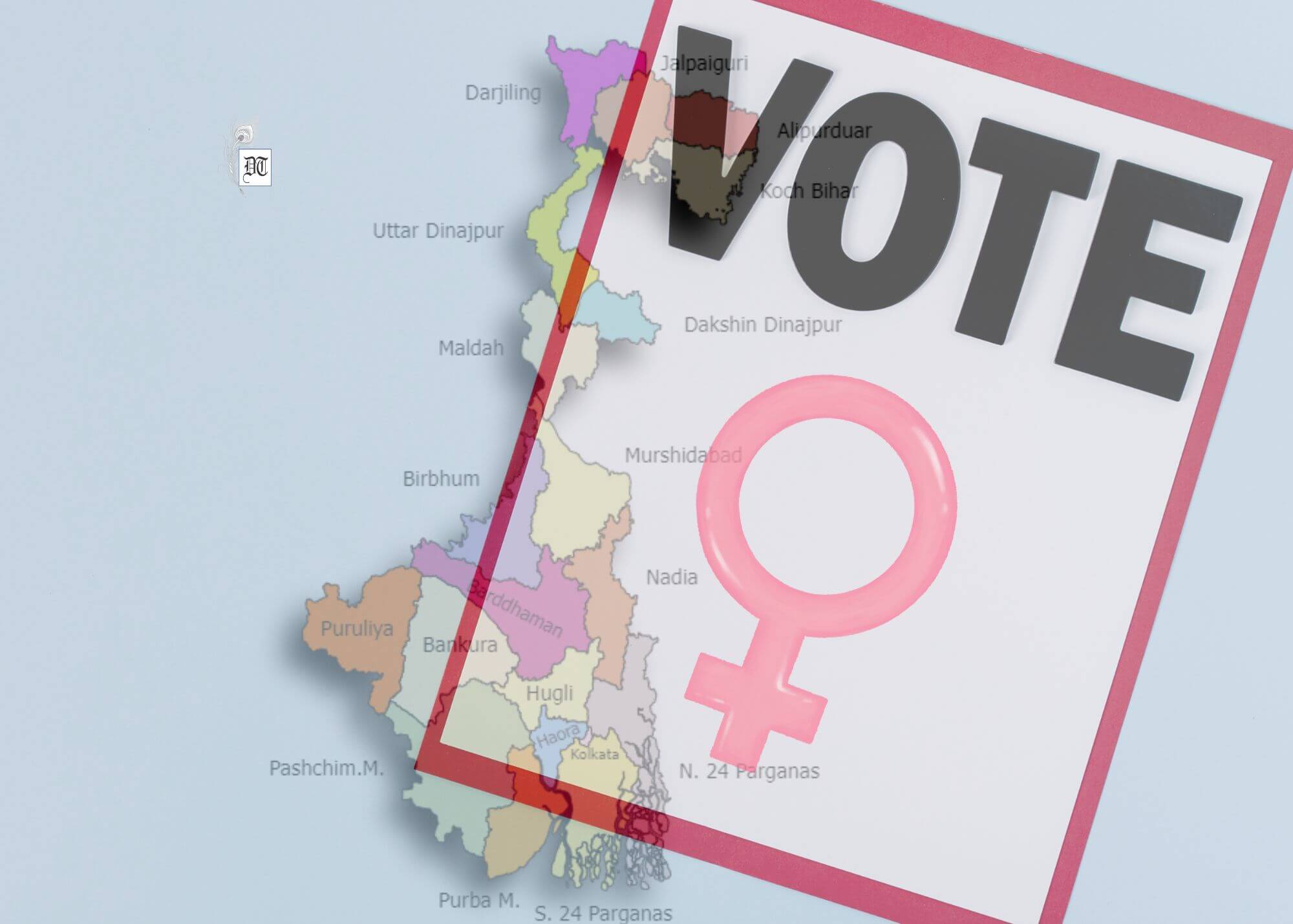
Madhumita explores how women voters in West Bengal are reshaping electoral politics via welfare schemes and mobilisation, as analysed on DifferentTruths.com.
AI Summary:
- Women voters in West Bengal show surging turnout, rivalling or exceeding men, driven by education, information access, and targeted welfare like financial aid and education support.
- Welfare politics fosters loyalty through direct benefits, grassroots mobilisation via self-help groups, and women leaders inspiring participation.
- Voting remains diverse, influenced by class, caste, urban-rural divides, and issues like jobs and safety, amid challenges in representation and sustainability.
Women voters have emerged as a decisive force in electoral politics across India, and West Bengal provides a particularly interesting example of this transformation. Over the last two decades, women’s political participation in the state has increased significantly. Women not only constitute a large proportion of the electorate but also demonstrate distinct voting patterns shaped by social welfare policies, political mobilisation, and gender-sensitive governance. The interaction between welfare politics and women’s voting behaviour has therefore become an important subject for political analysis in West Bengal.
One of the most remarkable developments in West Bengal’s electoral landscape is the steady rise in female voter turnout. In recent elections, the turnout of women voters has often equalled or even surpassed that of men. This shift indicates that women are increasingly aware of their political rights and are willing to participate actively in the democratic process. Several factors have contributed to this change, including improved education, greater access to information, and the expansion of welfare schemes targeting women. Political parties have also recognised the electoral importance of women voters and have designed policies and campaign strategies to address their specific needs and concerns.
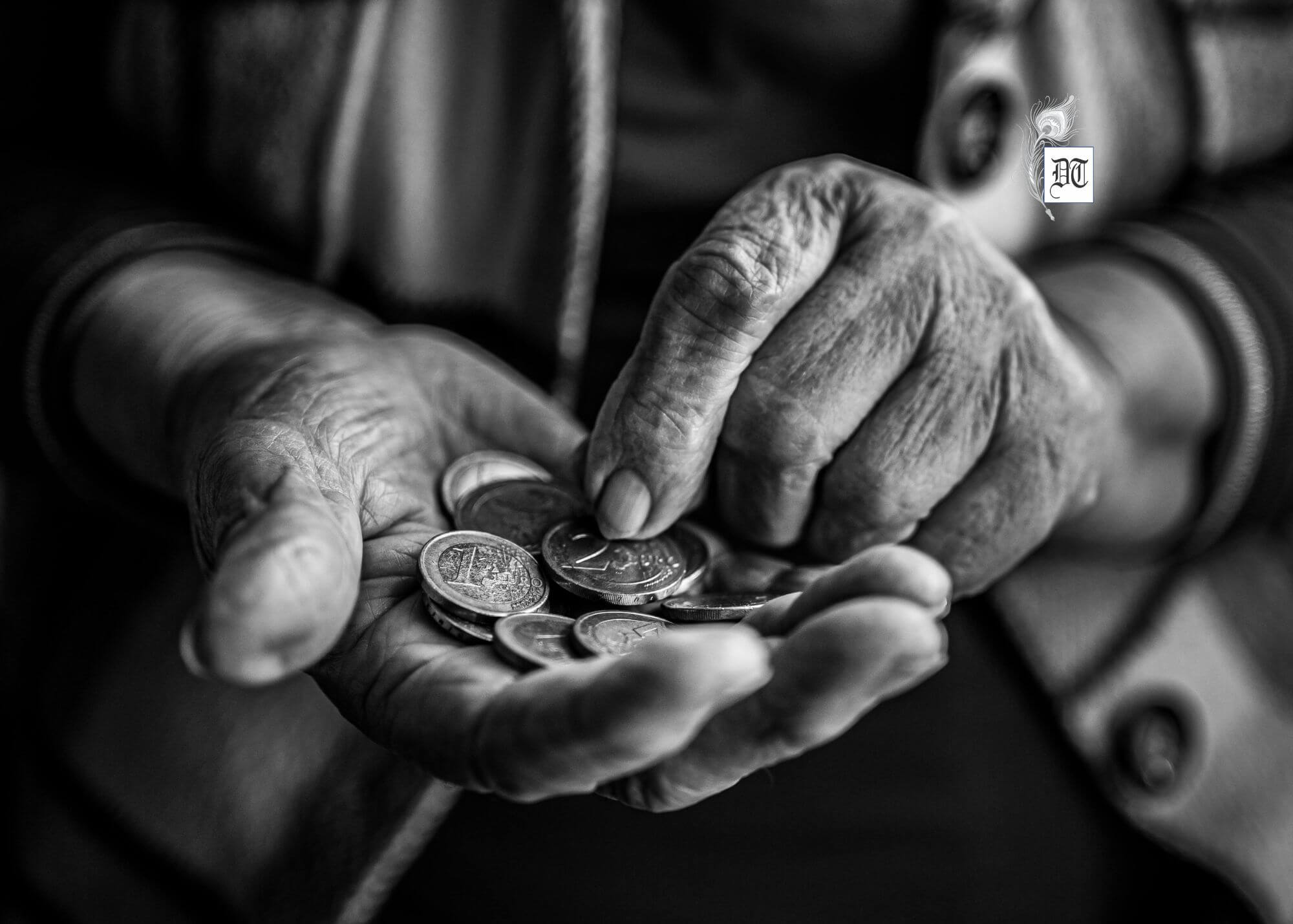
Welfare politics plays a crucial role in shaping women’s voting behaviour in the state. Over the years, successive governments have introduced a variety of welfare programmes aimed at improving the socio-economic conditions of women. These schemes focus on financial assistance, healthcare, education, and social security. For example, programmes designed to support girls’ education, provide financial benefits to women from economically weaker sections, and assist families during marriage have had a considerable impact on the lives of many women. Such initiatives not only provide material benefits but also generate a sense of political trust and loyalty among beneficiaries.
Among the most influential welfare initiatives are schemes that provide direct financial support to women. Direct benefit programmes strengthen women’s economic independence and enhance their role in household decision-making. When women experience tangible benefits from government policies, they are more likely to develop a positive perception of the ruling administration. Consequently, these welfare programmes often influence voting preferences and contribute to the formation of a loyal voter base among women. In West Bengal, welfare-driven governance has therefore become an important political strategy.
Another significant aspect of women’s voting behaviour in West Bengal is the role of grassroots political mobilisation. Political parties actively engage with women through local networks, self-help groups, and community organisations. Women’s groups, especially in rural areas, often serve as platforms for spreading political messages and mobilising voters. Campaigns frequently highlight issues such as household welfare, safety, education for daughters, and access to healthcare. By addressing these everyday concerns, political parties can connect with women voters on a personal and practical level.
At the same time, women voters in West Bengal do not behave as a uniform political bloc. Their voting choices are influenced by multiple factors, including class, religion, caste, rural–urban differences, and political awareness. While welfare benefits are important, other issues such as employment opportunities, price rises, infrastructure, and law and order also shape voting behaviour. In urban areas, educated women may evaluate political parties based on governance performance and development policies. In rural areas, access to welfare schemes and local leadership may play a more prominent role in determining electoral choices.
The leadership factor also contributes to women’s political engagement in West Bengal. The presence of prominent women leaders in the state’s political landscape has encouraged many women to participate more actively in politics. Women leaders often symbolise empowerment and inspire confidence among female voters. This representation reinforces the idea that politics is not limited to men and that women can play a significant role in governance and public life.
However, despite these positive developments, certain challenges remain. Women’s representation among candidates and elected representatives is still relatively limited compared to their numerical strength as voters. Many women continue to face social and economic barriers that restrict their political participation. Furthermore, welfare politics, while beneficial, sometimes raises concerns about dependency and the long-term sustainability of such programmes. Critics argue that welfare schemes should be accompanied by policies that create employment and long-term economic empowerment for women.
In conclusion, women’s voting behaviour in West Bengal reflects the complex interaction between welfare policies, political mobilisation, leadership, and socio-economic factors. Welfare schemes have played a significant role in strengthening the connection between women voters and political parties by directly addressing their needs and improving their living conditions. At the same time, women voters demonstrate independent judgment and evaluate political options based on multiple issues. As women continue to emerge as a decisive electoral constituency, understanding their political preferences and aspirations will remain crucial for shaping the future of democratic politics in West Bengal.
Picture design by Anumita Roy

Dr Madhumita Ojha, a Hindi literature scholar, specialises in folk literature, cultural studies, gender, and marginalised narratives. She earned an MA and PhD in Hindi from Presidency University, plus a BEd from Mahatma Gandhi International Hindi University, Wardha. Author of Folk Literature and Culture, she has published extensively on Kinnar narratives, LGBTQ representation, women’s studies, and Dalit literature. She serves as a guest lecturer at the Hindi University, Howrah, Kolkata.

 By
By
 By
By
 By
By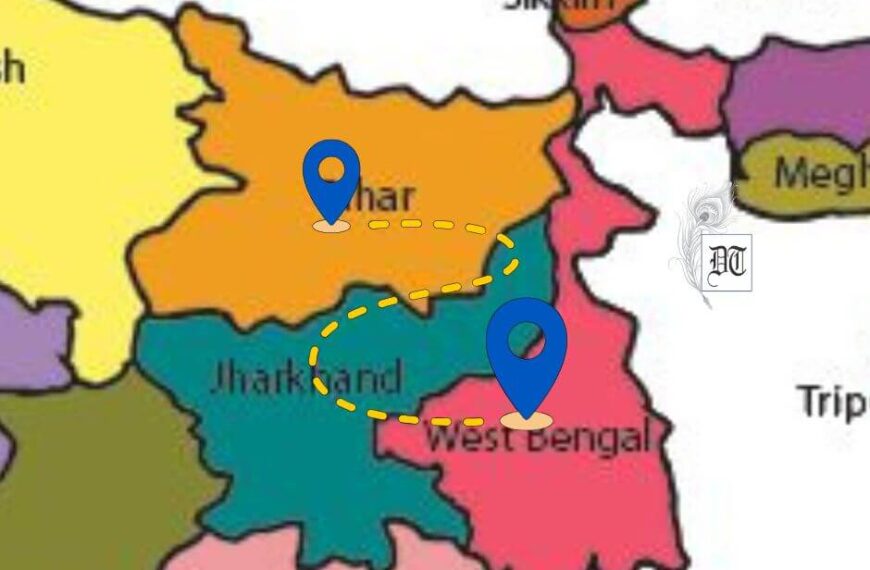
Women voters ‘ turnout always bears decisive impact in WB poll. Fear of SIR exclusion and consequent exclusion of doles or freebies driven large-scale women voters to poling booths.