
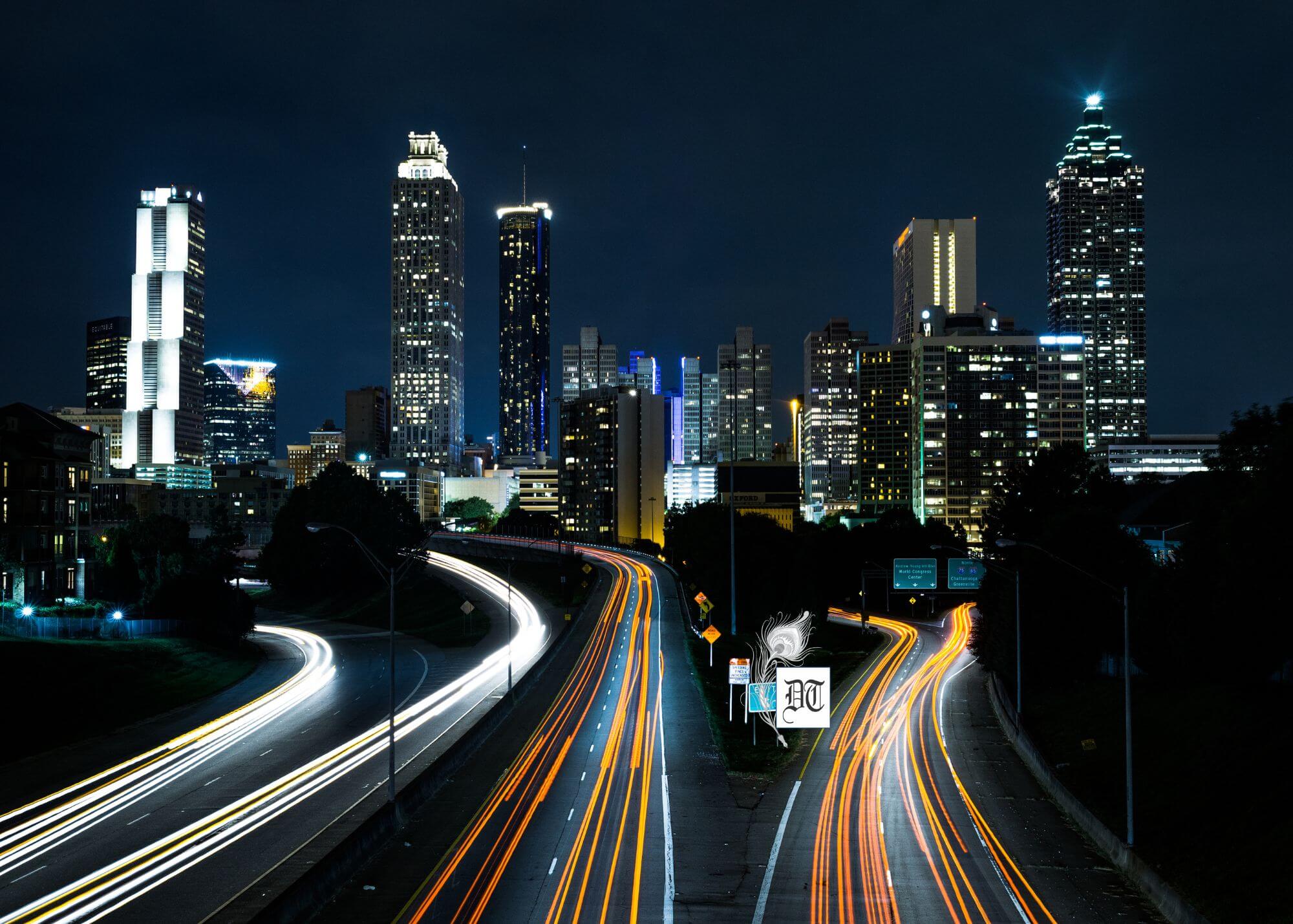

Navodita writes exclusively for Different Truths about the rat race in the urban population, which has become more of a global norm.

Smart cities are the norm today, with increased corporatisation of democracy and the government
focusing on e-governance and development. In smart cities, even the smallest town gets a makeover.
There are sleek streets, smart railings, e-vendors, and e-wallets. There are facilities and opportunities for citizens that possibly don’t exist in old-fashioned cities with no lane driving or no smart governance.
But is there a cost to this smart living? Or are we forgetting some old habits of social life, social norms, and socialising? While we have more opportunities to deposit our daily utility bills, alight the bus we wish to take for our desired destination without a wink, or board the train with ease from the railway station, life still isn’t all the same. With increased digital lives, free WiFis and technological awareness in our daily lives, everything is not hunky-dory. Life is not all the same.
Fast-paced life has made social realignment a little different from before. Within families, the mobile phone is at the forefront. Families stay in touch through mobile devices, making socialising easier but creating distances. The new generation has renewed aspirations that don’t always align with the old methods of finding a dream job. New avenues open themselves to students, exposing them to new pathways that never existed before. However, has social life distanced us and given rise to more loneliness and isolation? Or has digitalisation led to renewed ways of socialising through dating apps, socialising chat rooms, internet chat rooms, and ways to connect with like-minded people through common interests on social media sites like Facebook? While earlier being isolated was condemned as a drawback of the digital age, now it is being exhorted as a way to heal through digi-healthcare services and digital ways of healing and finding solutions in the form of ‘innovation and design thinking’.
Then, the fast-paced life in metros makes us more used to fast ways of leading a social life, having a
nightlife, and it can all be very personal. More opportunities around you give you choices, so
exercise discretion with caution. We become more responsible with more freedom and choices, and
responsible living. While caring and reaching out to your choices with more discretion, we come to life
with more choices, responsibilities, and freedom, thereby making us less demanding at the same time.
Digitalisation of cities has indeed transformed lives to make them bigger, better, and faster!
Picture design Anumita Roy

Navodita Pande teaches Mass Media and Communication and English to ICSE/ISC school in Assam. She also trains students in Yoga, gratitude and healing. She loves to paint, write and read as her pastimes. She lives in Assam with her daughter.

 By
By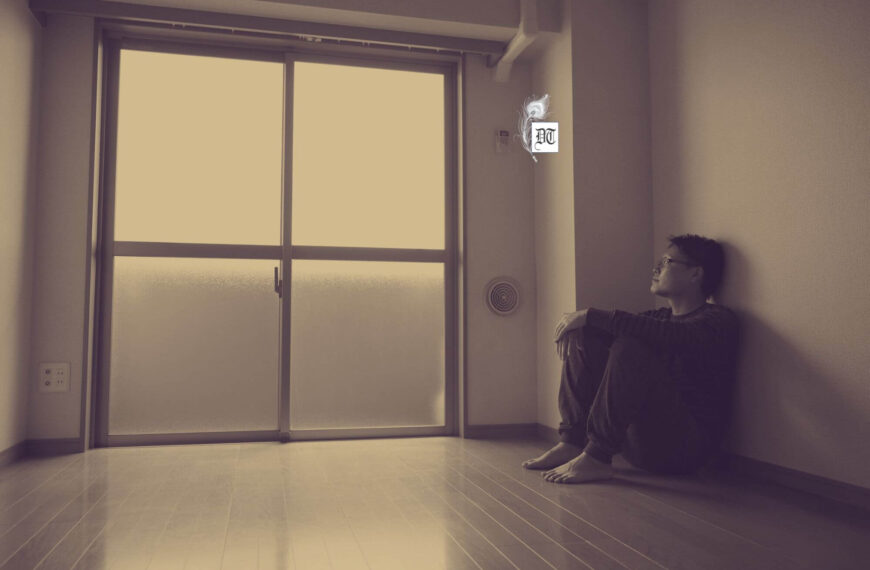
 By
By
 By
By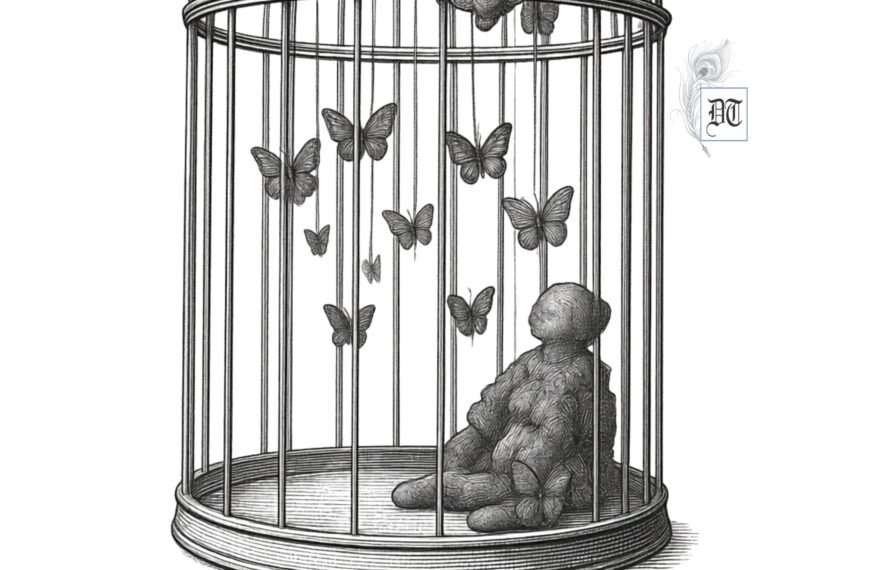
 By
By