


Ruchira explores the culinary revolution in Indian cuisine, highlighting the fusion of traditional and global flavours, particularly the use of mayonnaise and Kasundi condiments, exclusively for Different Truths.
Indian cuisine has evolved due to colonial influences and globalisation. The traditional Indian cuisine is rare now. Fusion cuisine is more common.
It is no surprise to come across dishes like paneer pasta and burgers, paneer dosa and dhokla, and Chinjabi (aka Chinese-Punjabi) and, you heard it right, Jain Chinese cuisines. No offence meant but I can’t for my dear life imagine how noodles would taste with a dash of hing (asafoetida), an essential ingredient for Jain cooking style. Also, it’s refreshing to witness Sardars (Sikhs) freaking out on idli-dosa and Bongs relishing dal-bati-churma or chhole-bhature for a change.
In the same vein, I wish to talk about my modified tastes. As a devoted foodie, I have a penchant for spicy food. I must have sauces and condiments at every meal. Otherwise, even the most well-cooked dish would appear bland. At this juncture, I confess my penchant for both Mayonnaise and Kasundi, one oriental, the other occidental; the two are as different as chalk and cheese. Over the years, I got latched onto both.
Origin of Mayonnaise
Regarding the origin of mayonnaise, there exist conflicting versions and theories. Suffice it to say it originated in Western/Mediterranean Europe, the basic ingredients being whole eggs, salt, pepper (optional) and lemon juice or vinegar. Of course, with changing times, more and more varieties of mayonnaise are cropping up.
Major internationally reputed brands manufacturing mayonnaise are now setting up shops in India. Meanwhile, local brands are churning out eggless and/or vegan varieties and more to retain their hold on the market. Personally speaking, I would spread dollops of the delicious (read precious) creamy stuff on sandwiches, vegetarian or otherwise, salads, besides scrambled as well as boiled eggs.
Mayonnaise Banished
I shamelessly indulged in making my concoction of mayonnaise-tomato ketchup-red chilli sauce, which, when spread over bread slices or used as a dip for pakoras, samosas, fish fingers, and fries (a la Bengali style), affords you a divine taste and feel. Sadly, this euphoria no longer exists since I seriously embarked on a mega weight-shedding project. Everyone, I’m sure, is aware that mayonnaise is an absolute no for fitness diets. Therefore, as of now, mayonnaise has been banished from our homes and hearth.
Kasundi was originally conceived in kitchens and adjoining courtyards of Bengali homes. The key ingredients that go into the preparation of this sauce are brown and black mustard seeds, salt, green chillies, and a dash of ginger coupled with generous helpings of mustard oil. These components are rendered into a paste, placed in a jar and left in abundant sunlight (the jar’s mouth is covered with a thin fabric) for days to ripen and mature.
Besides the standard Kasundi, there is also the aam Kasundi, wherein raw mangoes are incorporated into the mixture. I must mention here that Western Avatars of mustard sauces, be it the English mustard or the famous Dijon mustard, are milder and sweeter than their desi cousin. I speak this from experience having tasted both in upscale western eateries on occasions.
Authentic Kasundi
For Kasundi to be authentic, here is a test: The moment you taste a spoonful or two, you are bound to experience a tingling sensation in your nostrils that seems to travel right up to your scalp! A strong, sharp, and extremely “pungent” smell of mustard hits you side by side!
This golden-coloured ‘wonder’ goes well with ‘nearly’ everything—from the ubiquitous aloo-karela-baingan-saag (potato bitter gourd aubergine and greens) fries to the more sophisticated cutlets, scotched eggs, fries, baked dishes, and what have you.
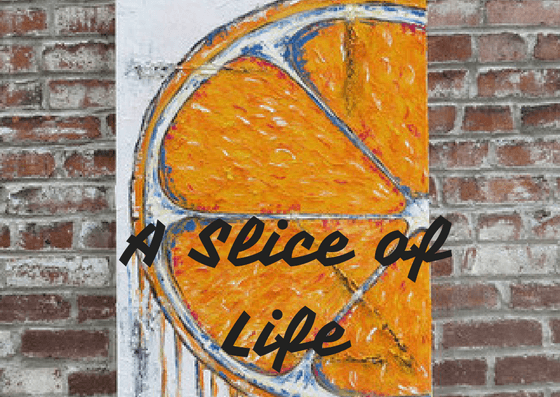
Picture design by Anumita Roy

Ruchira Adhikari Ghosh brings a liberal, wide-ranging outlook shaped by extensive travel across India and abroad. Educated at Holy Child School, New Delhi, Sacred Heart Convent, Ludhiana, and Panjab University, Chandigarh, she holds a Master’s in English Literature and a postgraduate diploma in Journalism and Mass Communication. With three decades in media, she writes on travel, books, music, performing arts, women’s issues, and especially food, drawing inspiration from rich life experiences. She is our Features Editor.


 By
By
 By
By
 By
By
Enjoyable!