
Ruchira tells us that curd, with its exotic origins and versatility, is a staple in Indian cuisine, enjoyed in regional dishes and tropical climates, exclusively for Different Truths.
Curd is versatile for breakfast or any other meal. Many of us relish a bowl of yoghurt on a sweltering summer day as an accompaniment to delicious parathas, or a side dish (raita). It is doubtful whether it is a significant element of the Indian diet. Nonetheless, this common cuisine item has an exotic origin. Undoubtedly, supporters of “all-Indian” products will be dissatisfied.
There are umpteen tales surrounding the antecedents of this wondrous edible item. According to one, some Turk travellers traversing the desert sands kept milk in a goatskin bag and slung it across the backs of camels. After the journey, they discovered that the milk, which was in a liquid state, had become semi-solid due to extreme heat and bacterial activity, but it still tasted fine! It created history!
However, the Bulgarians believed that nearly 4,000 years ago, nomadic people in their region had domesticated animals but still roamed the wilds of the Balkans (East Europe). Because they had no means to preserve milk, they stored it in animal skin bags. The milk curdled when optimal temperatures and the proliferation of Lactobacillus bacteria were present. Not surprisingly, Bulgarians are renowned for including yogurt in nearly every dish.
Indeed, curd enjoys overwhelming global popularity.
Indeed, curd enjoys overwhelming global popularity. Recently, I discovered a video recipe for a Turkish egg breakfast entrée with copious amounts of yoghurt. It appeared rather alluring.
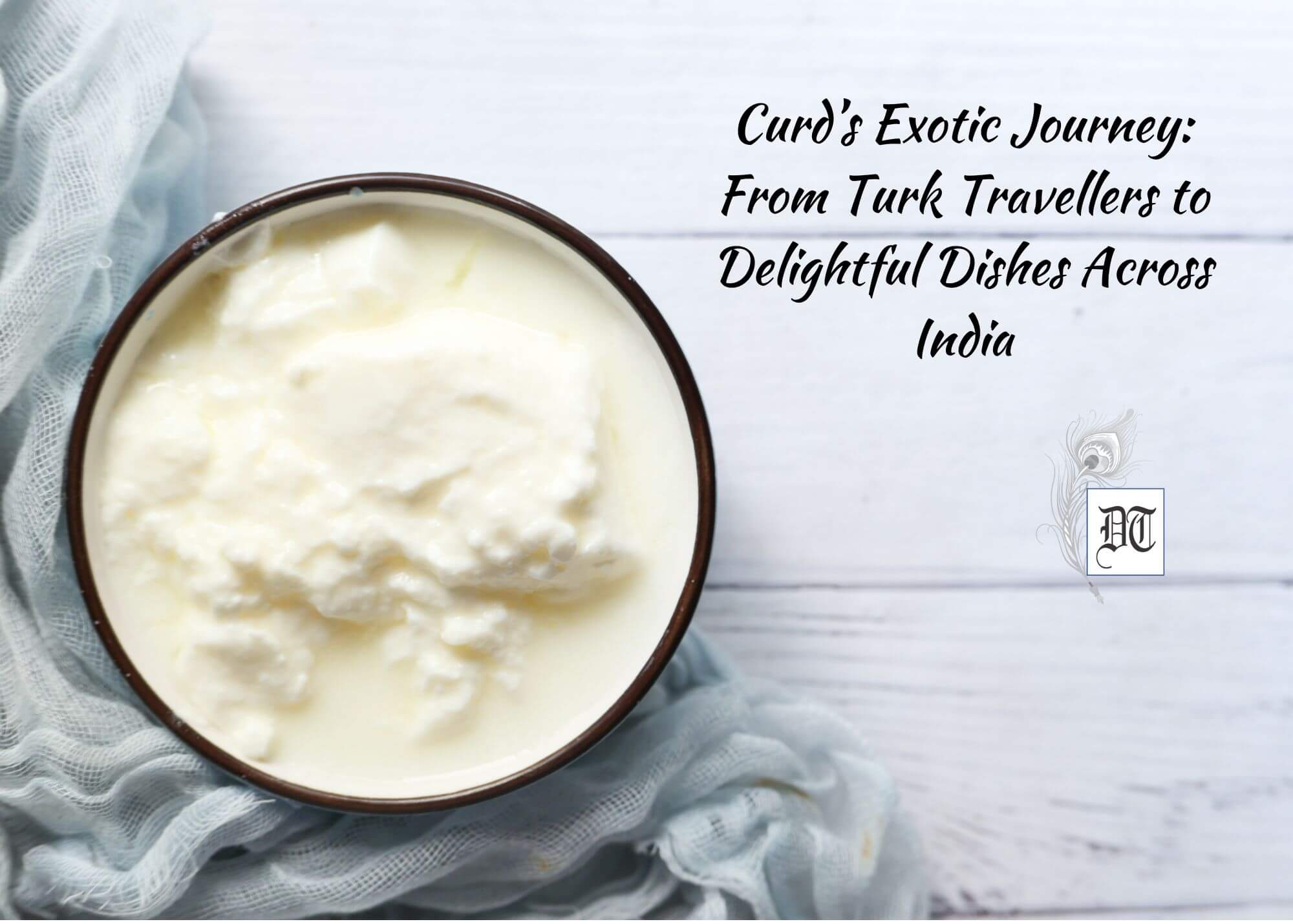
In short, a method of thickening liquid milk produces curd. Adding an enzyme-containing substance (rennet), acidic lemons, or vinegar results in thickening. The mixture is left to thicken afterwards. However, milk (unpasteurised and unpasteurised) or milk containing lactic acid-producing microorganisms will naturally curdle.
Since most of India (read the subcontinent) sprawls over the tropical region, curd is nothing short of the elixir of life for the bulk of Indians. Quite naturally, curd, in its myriad forms, interpolated our diverse regional gastronomy.
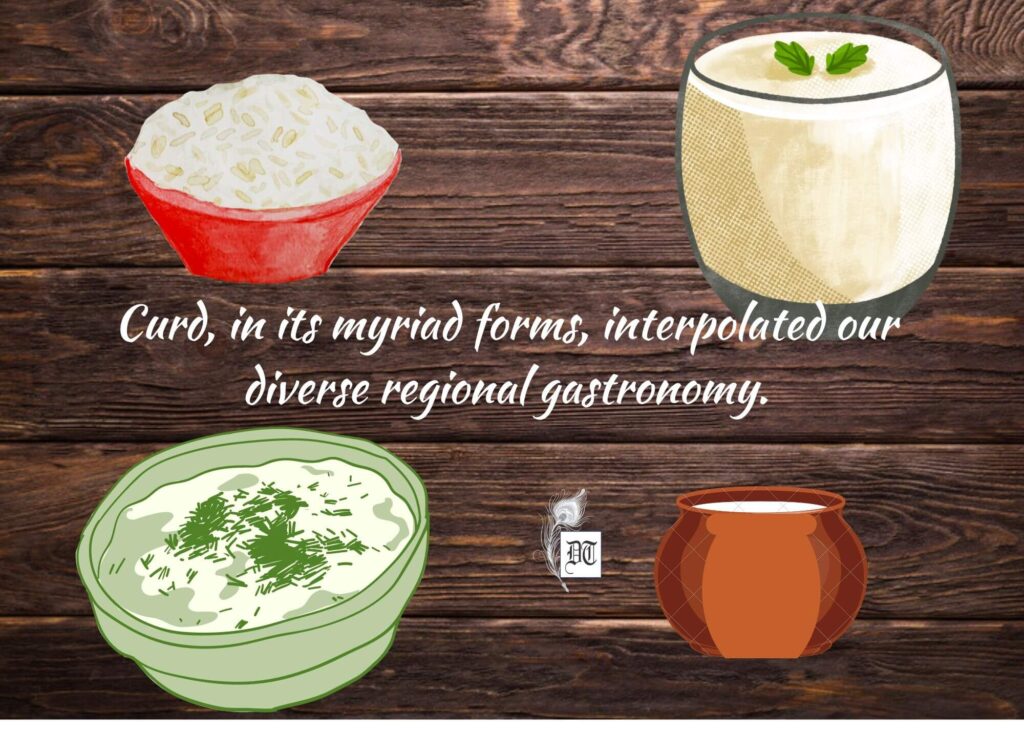
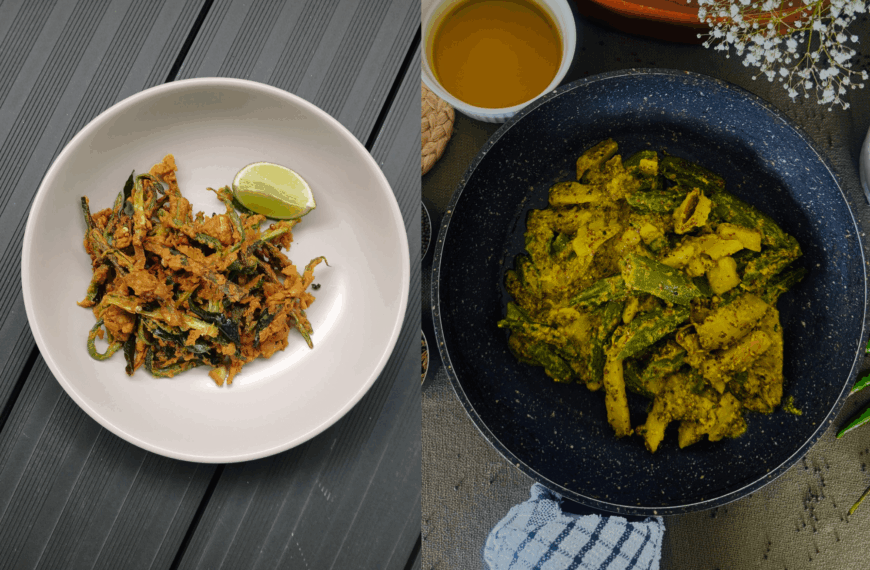
What would our “Gujju bhai” do with their signature cuisine, Shrikhand (curd and milk blended)? The Sindhi-Gujarati-Rajasthani folks would feel helpless without their favourite kadhi-chawl (mainstay curd, though tempering varies). Even the Punjabis have evolved their own version of it!
Even the most sophisticated and elite South Indians almost invariably include plain curd in their two major meals of the day.
Even the most sophisticated and elite South Indians almost invariably include plain curd in their two major meals of the day. Over and above, their sweet-tangy-aromatic curd rice appears to be popular countywide. (I confess I have a soft corner for it.) Another conspicuous curd-based southern dish is Pachadi (like North India’s raita), which uses green veggies such as cucumber, bottle gourd, etc. (a personal favourite of mine).
Since I am endowed with a delicate digestive system, some days when I have a rumbling tummy, I skip everything else and go in for (Bong style) bland curd-rice with a sprinkling of sugar. My troubles vanish. Even during the height of summer, I ingest tiny amounts of life-saving coolants such as chhach (buttermilk) and Bengali-style gholer sherbert (thin, watery, not buttery, with a dash of lemon). But the beverage that caught my attention was the enormously popular Borhani in neighbouring Bangladesh. These two, mentioned earlier, pale in comparison. Borhani, rather upmarket and stylish, is served on special occasions and at weddings.
I must also state that the well-known Kashmiri meat dish Gushtaba has copious amounts of curd. Their dum aloo has curd as well. Did you know that Kashmiri pudina chutney contains both walnut purée and curd?
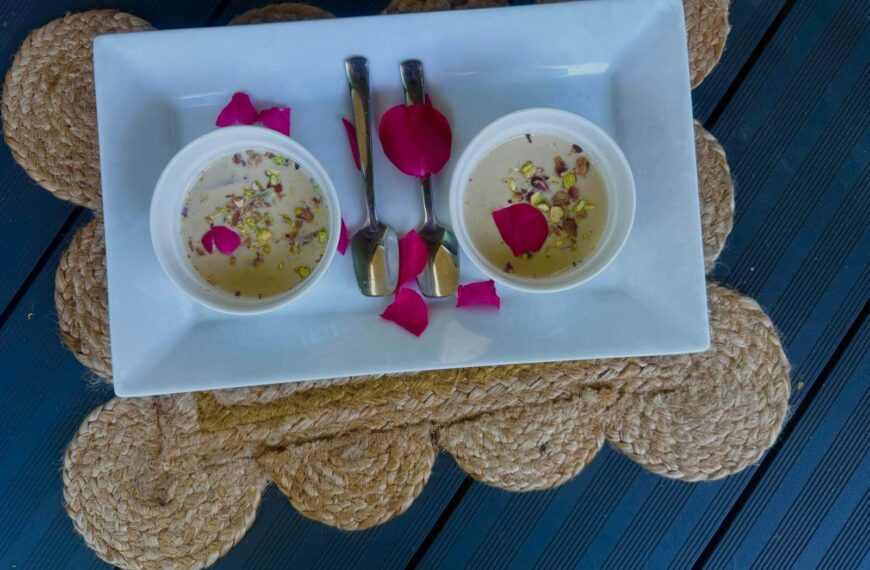
Even at the risk of appearing provincial, I must mention the traditional Bengali dishes Doi Maach … and Mishti Doi.
Even at the risk of appearing provincial, I must mention the traditional Bengali dishes Doi Maach (fish in spicy curd gravy) and Mishti Doi. This product has become so over-commercialised that almost everyone sells it. I will wager anything, however, that the finest Mishti Doi is found in old Kolkata’s many decades-old sweet shops.
Picture design by Anumita Roy

Ruchira Adhikari Ghosh brings a liberal, wide-ranging outlook shaped by extensive travel across India and abroad. Educated at Holy Child School, New Delhi, Sacred Heart Convent, Ludhiana, and Panjab University, Chandigarh, she holds a Master’s in English Literature and a postgraduate diploma in Journalism and Mass Communication. With three decades in media, she writes on travel, books, music, performing arts, women’s issues, and especially food, drawing inspiration from rich life experiences. She is our Features Editor.


 By
By