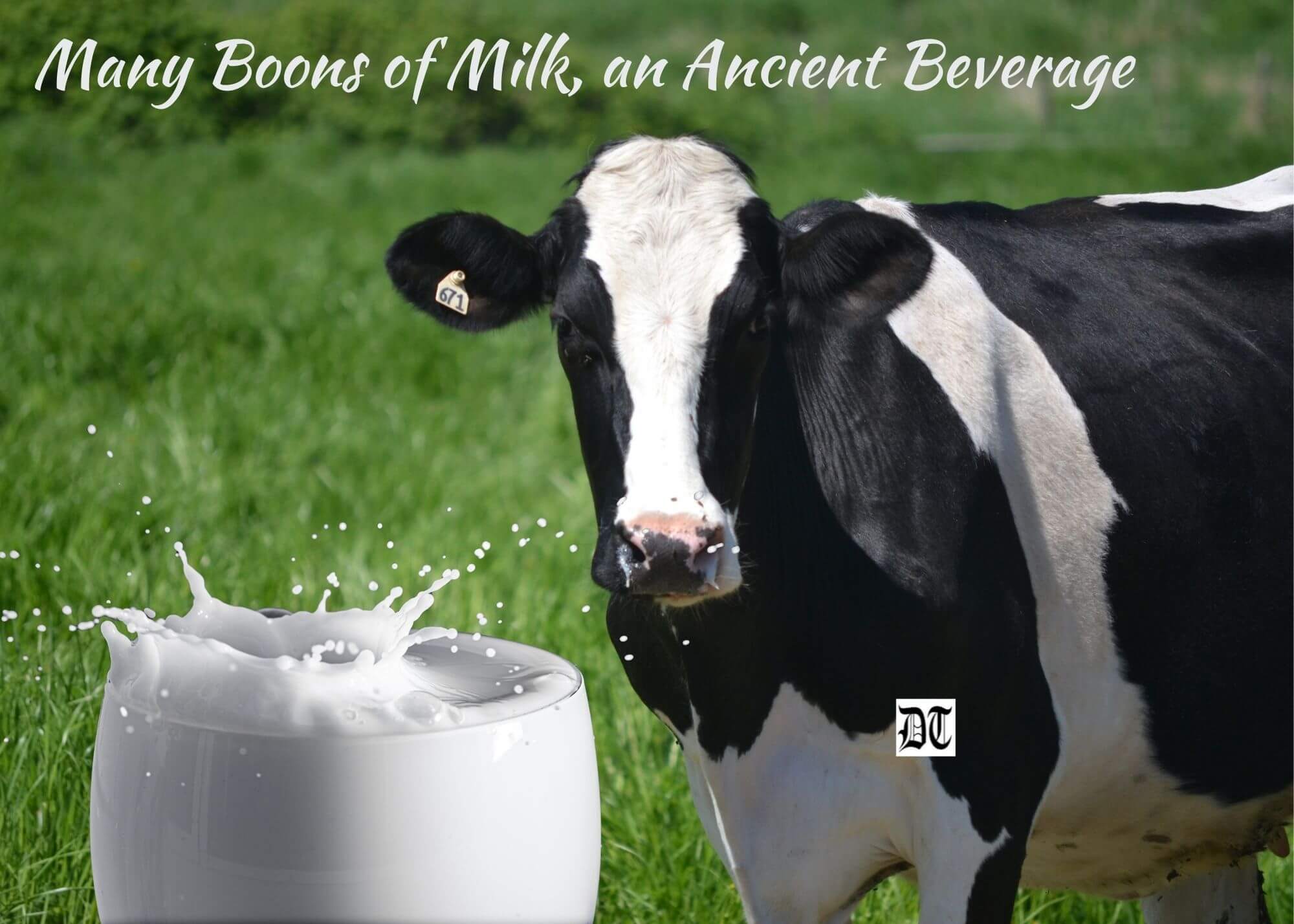

Ruchira reminds us that life-sustaining milk, an ancient beverage, has been the love of human beings. Here is an exclusive for Different Truths.
Milk is one of the oldest and most natural beverages known and available to humankind since the dawn of civilisation. As is typical knowledge, infants of all mammals drink milk – their primary source of nutrition- directly from their mothers’ bodies. Among humans, mothers suckle their babies. However, humans have moved a step further, so to say. Humans, old and young, alike also consume milk from other mammals. It has evolved into an essential item of their daily diet.
Interesting to note the term “milk” comes from Old English meoluc (West Saxon), milc (Anglian), Dutch melk, German milch, and Gothic (miluks), among many others.
History reveals that humans learned to consume the milk from other mammals on a large scale after they had mastered the art of taming and domesticating animals.
History reveals that humans learned to consume the milk from other mammals on a large scale after they had mastered the art of taming and domesticating animals. Inhabitants of ancient civilisation, namely China and Mesopotamia, followed by Europe, the Americas and Africa, achieved these milestones.
Depending on their geographical locations and existing local fauna, the early ‘civilised’ humans zeroed in on mammals, viz., cows, buffaloes, sheep, goats, camels, and even donkeys. Talking of donkeys, legends mingled with history reveal how Cleopatra, the fabled Egyptian queen maintained her beauty and youthful skin by bathing with donkey milk. The Romans also used donkey milk for its therapeutic properties. During the outbreaks of Dengue in recent years, goat milk’s efficacy and latent nutritional value came to the forefront. Selenium deficiency and a decrease in platelet count are the characteristics of Dengue. Goat milk happens to be the richest source of Selenium. It also helps in digestion and metabolic utilisation of essential minerals.
Over the centuries, milk has permeated the lives of humans on an unprecedented scale.
Over the centuries, milk has permeated the lives of humans on an unprecedented scale. The discovery of the pasteurisation method in the 1860s further heightened it. It not only boosted the quality of milk but made it microbe-free and prevented wastage.
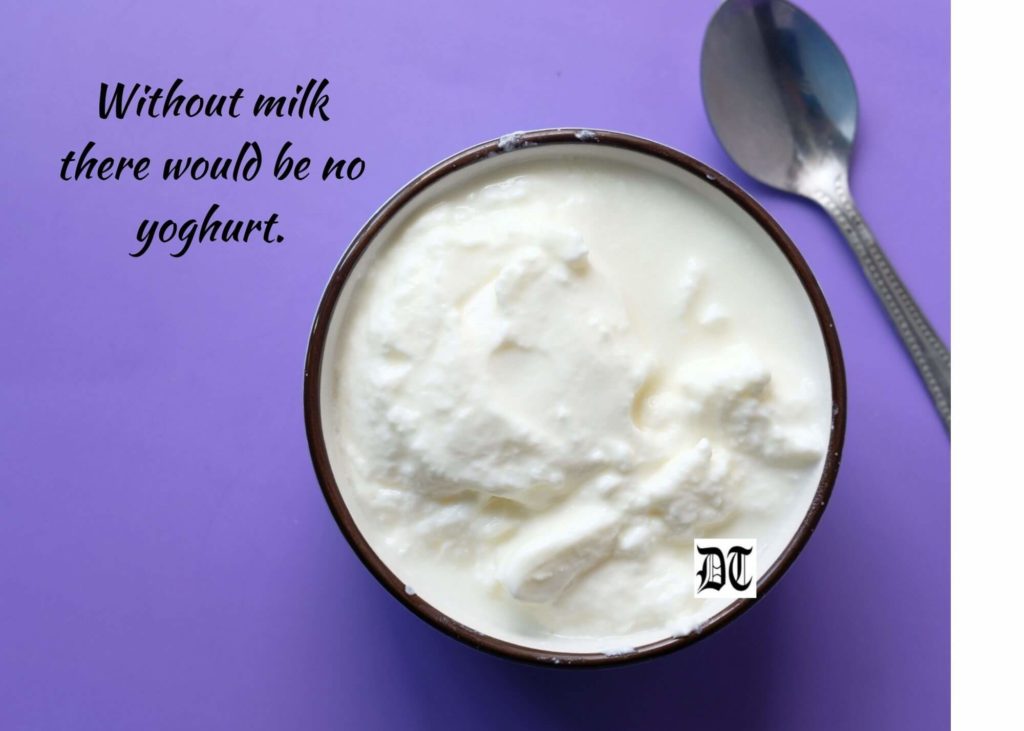
Thus, milk continues to occupy pride of place in everybody’s life. At this juncture, spare a minute to ponder this: Suppose there was no milk at all, then even the most ubiquitous food items – curd/ yoghurt, the delicious, refreshing lassi, chhach/ Roohafza milk, buttermilk, yellow and white butter devoted companions of bread and parathas –would not have existed. Birthdays would be cakeless, ‘the scorching tropical summer afternoons devoid of ice creams, melt-in-the-mouth kulfis and shakes.
Ditto for chocolates, chocolaty add-ons, condensed milk, and milk powder to enhance milk’s taste and make it more palatable for drinkers. The four 0’clock tea or the morning one would be bland sans milk. Likewise, black coffee would replace cafe au lait.
The notorious sweet-toothed Indians would mandatorily consume milk-free desserts prepared with flours, e.g., atta, maida, besan and sooji (semolina). Imagine what a lacklustre array would it be without pastries, lip-smacking kheer/payasam, sewiyaan, mishti doi, pudding and custards?
The roaring bustling global cheese industry would also be nonexistent.
The roaring bustling global cheese industry would also be nonexistent. Be it the humble homemade cottage cheese or the global icons viz Camembert, Roquefort, Emmenthal, Gouda et al., all would be missing from the rich and powerful gourmet tables.
Science and technology have come out with alternatives to liquid milk. The Vegans vociferously campaign against milk from animal sources. The focus is on “lab milk and plant milk products like Beancurd, Tofu etc. But, I still enjoy my glass of Doodh.
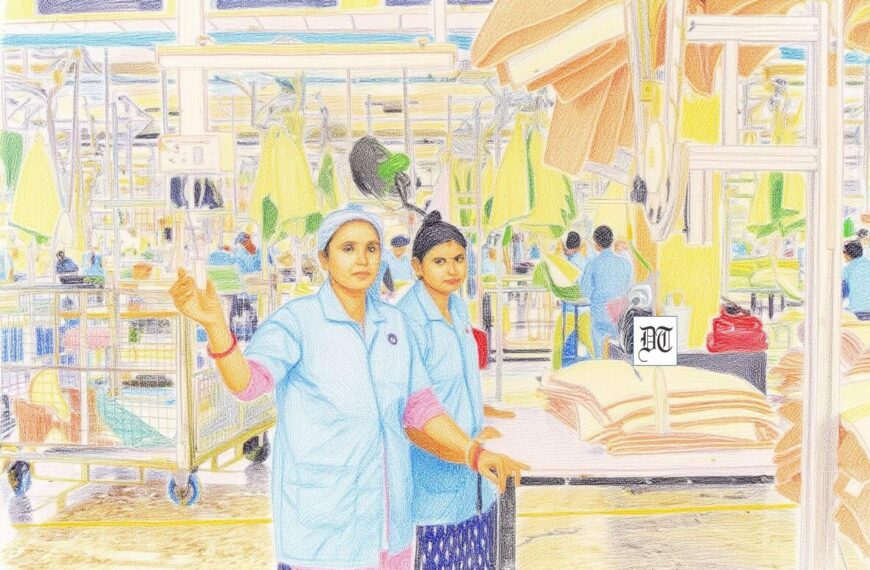
Picture design by Anumita Roy, Different Truths

Ruchira Adhikari Ghosh brings a liberal, wide-ranging outlook shaped by extensive travel across India and abroad. Educated at Holy Child School, New Delhi, Sacred Heart Convent, Ludhiana, and Panjab University, Chandigarh, she holds a Master’s in English Literature and a postgraduate diploma in Journalism and Mass Communication. With three decades in media, she writes on travel, books, music, performing arts, women’s issues, and especially food, drawing inspiration from rich life experiences. She is our Features Editor.
 By
By
 By
By