
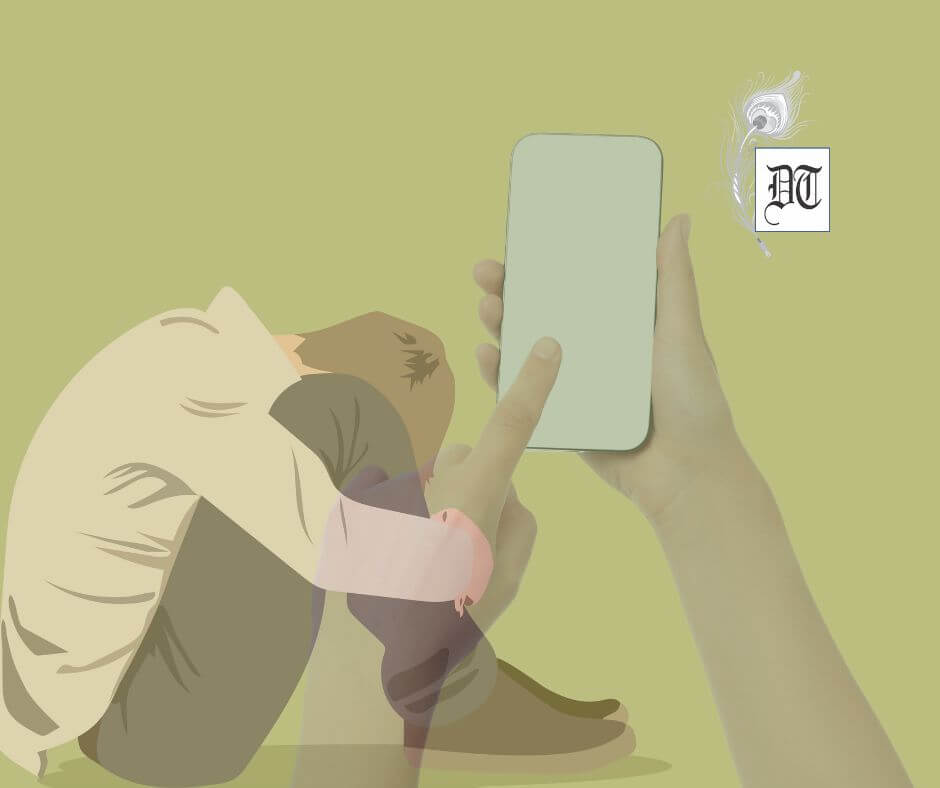

Mowmita opines that social media’s curated perfection fuels constant comparison, threatening self-esteem, increasing anxiety, and straining genuine friendships, for Different Truths.

Social media, with its culture of constant, often exaggerated, social comparison, can heighten feelings of competition and ego among friends and peers. The pressure to present a curated, ‘perfect’ online image can negatively impact self-esteem, increase feelings of envy, and lead to anxiety, potentially straining real-life friendships.
FOMO (Fear of Missing Out) can be triggered by regularly observing friends and acquaintances enjoying themselves or reaching their goals. This may cause an individual to perceive their own life as less thrilling or successful, fostering a sense of inadequacy and a pressing desire to compete.
Tension of Competition
The underlying tension of competition can strain friendships. Some friends may feel they can’t be their authentic selves for fear of being viewed as less successful. In other cases, competitive friends might take pleasure in feeling superior, which can lead to feelings of betrayal and humiliation. When friends post about positive life events, those prone to social comparison can feel envy, especially if they are struggling with their self-esteem. Research shows that viewing these posts can easily trigger feelings of jealousy.
A persistent cycle of social comparison and ego inflation has been linked to increased anxiety, depression, and lower self-esteem, especially in young adults. Excessive social media use has also been associated with loneliness and social isolation, despite the appearance of constant connection. Some users may resort to unhealthier behaviours, such as excessive drinking, drug use, or even self-harm, to compete with the fabricated reality of their peers.
Social Media Addiction
Social media addiction is a behavioural condition characterised by an excessive preoccupation with social media platforms. It is driven by an uncontrollable urge to log in or engage with social media, ultimately consuming so much time and energy that it negatively impacts other vital areas of life.
Over the past decade, checking and scrolling through social media have become increasingly popular. While most people use social media in a non-problematic manner, a small percentage of users develop an addiction to these networking sites and engage in excessive or compulsive use. Psychologists estimate that today, approximately 5 to 10% of Americans meet the criteria for social media addiction.
Recognise the Triggers
Empower yourself by recognising your triggers. When you notice friends’ posts or content that consistently evoke feelings of envy or self-doubt, take action. Unfollow or mute those accounts and feel the relief of regaining control over your social media experience.
Experience the warmth and comfort of genuine relationships by prioritising in-person connections. Dedicate time and energy to face-to-face interactions with friends and feel the joy that comes from these robust countermeasures to the negative impacts of social media.
Feel inspired and motivated by curating a positive feed. Intentionally follow accounts that uplift and support you, rather than make you feel inadequate. This can reduce unfavourable comparisons and foster a more positive online experience.
Limit Screen Time
Limiting screen time and reducing social media consumption are among the most effective ways to minimise the adverse effects of social comparison. Setting daily time limits can help break the addictive scrolling habit. Cultivating gratitude by focusing on what you have rather than what you lack can help counter feelings of inadequacy fuelled by social media comparisons.
Life is indeed a series of balancing acts, including how much time and attention we give to social media. While it’s an excellent tool for connection, entertainment, and news, it’s essential to find and maintain the right balance to prevent its adverse effects.
The good news is that effective strategies exist to promote healthier social media habits. These include setting daily time limits for social media use, unfollowing or muting accounts that provoke negative feelings, and actively curating a positive feed. By implementing these strategies, individuals can restore balance and ensure that their online interactions remain enjoyable and enriching.
How to Counter Social Media Addiction
Over the past decade, social media has evolved into a daily ritual for many, yet a concerning minority, about five to 10 per cent of people, struggle with social media addiction. Fortunately, there are effective strategies to cultivate healthier habits.
Unfollow or mute accounts that provoke feelings of envy or low self-esteem to curate a more positive online experience. Invest in real-life connections, as face-to-face interactions can enhance happiness and counteract unfavourable comparisons often fostered by social media.
Life is best appreciated when we focus on our own happiness rather than comparing ourselves to others. Taking the time to enjoy a book under a tree can offer a sense of peace and joy that is often more fulfilling than what we find on social media.
Picture design by Anumita Roy




 By
By
 By
By

 By
By