
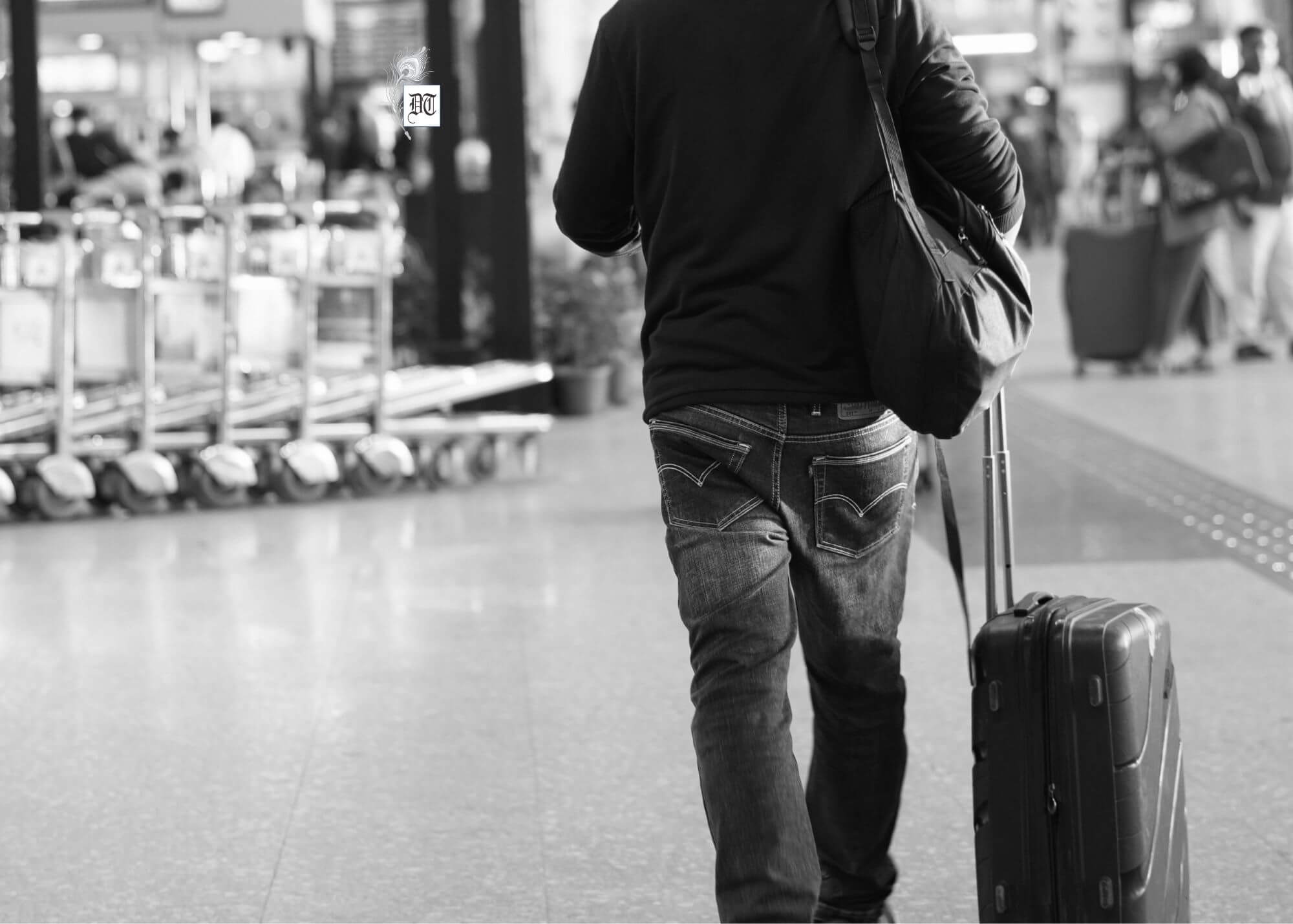
Ratan explores summer travel trends exclusively for DifferentTruths.com, highlighting how wartime anxieties are giving way to urgent, closer-to-home vacation planning.
AI Summary
- Resilient Wanderlust: Despite initial disruptions from the West Asia conflict and rising costs, travellers are actively reclaiming their summer plans.
- Strategic Shifts: A preference for shorter road trips and Asian destinations like Vietnam or Sri Lanka has replaced long-haul Western travel.
- Overtourism Challenges: Popular Indian hubs face infrastructure strain, leading authorities to implement controlled access to preserve local environments and peace.
Abstract: Rising airfare, fewer flights, and threats of disruption have failed to check the enthusiasm of the intrepid Indian traveller. In the coming summer months, there is unlikely to be any let-up in overcrowding in domestic tourist destinations as alternative plans are being drawn quickly.
There is no denying it. One of the most enjoyable and comfortable topics of discussion among all families and friends is planning where to go this summer. At the end of almost every dinner or casual gathering, the question is inevitably asked of each guest: So, where do you plan to go this summer?
Many adventure trips and jokes have resulted from this familiar exercise, and so it was expected this year too. But the Don in the US disrupted the cool and casual discussions in many families since early March, the time when such plans are finalised. But a month later, as one deadly deadline follows the other, as shortages and price rises seem to have lost their sting, the emerging consensus among most people is: the war will end when it has to; it is already April, and let’s plan quickly.
There is no doubt that there has been a serious rethink about this year’s summer travel as the initial days of the war in West Asia caused disruptions of many kinds. Shortages, flight cancellations, rising air fares, uncertainty over what could happen next, and the fear of whether one should leave home at all. This last worry emanated from the “forecasts” by innumerable social media astrologers advising people to stock essentials for the next three to six months and stay indoors for as long as possible. Rumours of an imminent “lockdown” and “inevitable” wiping out of reserves of all kinds (petroleum products, groceries, medicines, etc.) made matters worse.
War no dampener
But the dawn of April has come with hopes. As the school examinations ended and temperatures rose, the travel bug suddenly got activated. In any case, no one expected the war to last this long, honestly, and if it is continuing, it has come to be accepted as a Russia-Ukraine replay. So, travel planning for May-June has earnestly started: dining room discussions are happening with urgency since the crucial time of March has been lost. There are, however, some key differences based on practical realities:
· Travellers are opting for shorter trips to destinations closer to their place of residence, mainly to avoid air travel.
· If it has to be foreign travel, destinations in Asia are favoured, with Vietnam, Sri Lanka and Nepal being the top choices, followed by Mauritius and the Maldives. Gulf states, Europe, the US and Australia are being avoided (except by those who have to go to these places because of family or other compulsions)
· Within India, not surprisingly, Udaipur, Sikkim, Itanagar, Guwahati, Srinagar, Coorg and Kerala are among the most sought-after places, with Goa and Uttarakhand continuing to be the last-minute go-to places for everyone.
Travel agencies in many cities in India are noticing this shift, according to many news reports, and they have been preparing packages accordingly. Pramod Kumar, a travel agency and taxi service operator in Lucknow, says homestays, road trips, familiar places, and assurance of a quick return trip (if required) have acquired renewed importance. The Railways have announced a slew of Summer Specials, Highways and Expressways are beckoning, trusted cars and SUVs are raring to go. Same reports are coming from operators in Noida, Gurugram, Jaipur and Varanasi.
Surprisingly, destinations in Rajasthan such as Abu, Jaisalmer, Ajmer and Jodhpur are witnessing high bookings, despite the summer months. So is the case with adventure tourism destinations such as Diu, Rishikesh, Manali and Leh, as they expect a rush of visitors in the coming weeks.
Some places which are rapidly catching people’s fancy are the magnificent forts on the Western Ghats and little-known places in Odisha and the Eastern Ghats.
Problems will persist
On a parallel note, most travellers acknowledge that overcrowding (for which they themselves could be responsible) is a big dampener in the coming season. The motto “have car, will travel” leads to a “me-first” attitude on almost all roads in tourist areas. In recent years, especially post-Covid, overtourism in India has emerged as a critical challenge, with tourist influx exceeding the capacity of destinations. In addition to environmental degradation, it causes strain on local infrastructure. Prime examples include Himachal Pradesh, Uttarakhand, Goa, and Ladakh, facing acute waste, water scarcity, and massive traffic congestion, especially during peak seasons.
Travellers who have visited a beautiful but little-known place mention it on their social media platforms. In no time, others start searching for that place, and it quickly attracts big crowds, leading to overcrowding. It happened in Meghalaya, Goa, and Jaipur, and it will keep happening elsewhere. There is no stopping it.
Authorities in Nainital, Manali, Mussourie, Munnar and many other popular hill stations have already put plans in place for controlled access to these places. Hotels in these places have been told to ensure they have parking spaces. But the dilemma remains: more tourists mean more business and prosperity for all. More tourists also mean greater disruption in the life of locals, pollution, garbage and social unrest. The images of brash tourists driving their vehicles across the lake in Ladakh or on the beaches of Goa, creating a nuisance on the streets of Shimla or the approach to Manali, offend us all. But the tourist business will go on as usual. To add to the atmosphere, we can expect the revellers in tourist places to raise anti-war slogans this time.
Picture design by Anumita Roy

Ratan Mani Lal is a journalist with more than 40 years’ experience in major English and Hindi newspapers such as The Times of India, Hindustan Times and The Bhaskar Group. He headed the Jaipuria Institute Mass Communication for several years. He writes for Firstpost, One India.com, Zeenews.com and other publications in English and Hindi. A celebrated commentator for several television channels, he writes on current affairs with a focus on political scenario, development issues, and environment.
He is our Editorial Advisor and National Editor: Politics, Development Issues and Environment


 By
By
 By
By
 By
By
 By
By