Rita asserts that India personifies Vasudhaiva Kutumbakam—the world as one family—for Different Truths, fostering harmony, and championing peaceful coexistence for millennia.
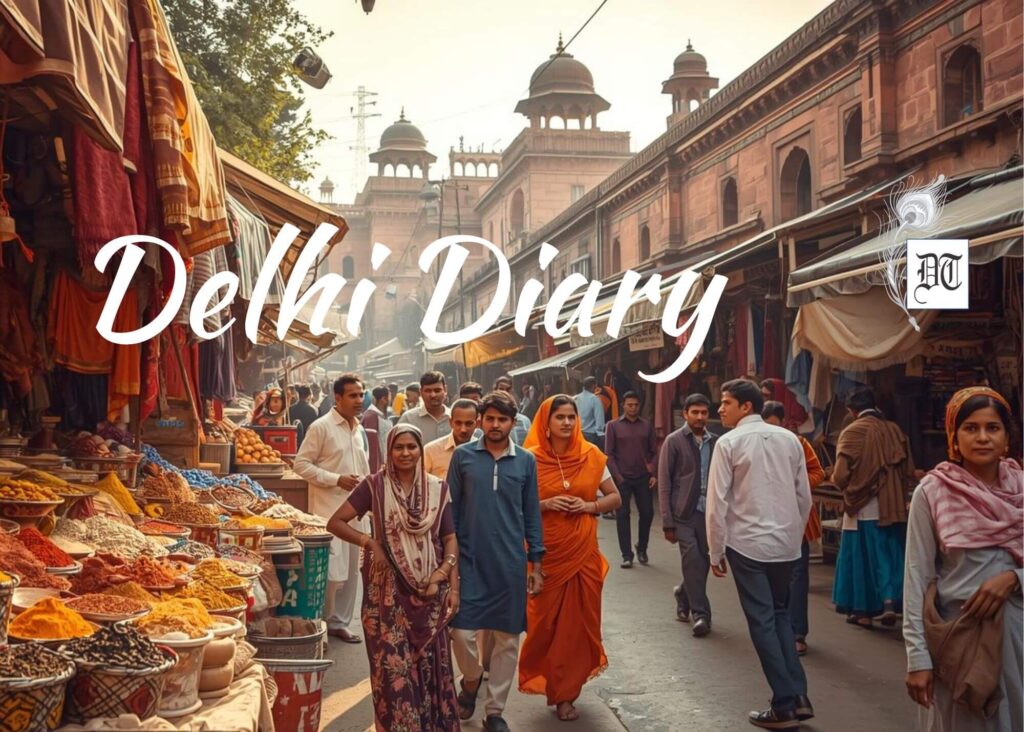
India is not merely a geopolitical entity on the world map; it is a living, breathing philosophy of coexistence. For millennia, this sacred land has been the ultimate sanctuary for diversity, fostering a culture where multiple faiths, languages, and traditions thrive in harmony. At the heart of this pluralism lies the profound ethos of Hindu civilisation, which has historically championed the idea of Vasudhaiva Kutumbakam—the world is one family.
The historical legacy of welcoming the oppressed is one of the most remarkable chapters of Indian history, its inherent grace toward those fleeing persecution. Unlike many civilisations that sought to impose their beliefs through conquest, Hindu society opened its arms to the weary and the oppressed. When the Parsis fled Persia to protect their faith, they found a permanent home in India. Similarly, the Jews and Syrian Christians found refuge on Indian shores long before they were accepted elsewhere in the world.
This spirit of hospitality was not a sign of weakness but of immense spiritual confidence. Hindu kings and leaders did not just tolerate these foreign faiths; they supported them, providing land and resources to build fire temples, synagogues, and churches. This tradition of embracing the “invaded” or the “seeker” is a testament to a civilisation that values humanity above all else.
The Sanctity of Peaceful Worship
Hinduism, by its very nature, is inclusive and decentralised. It recognises that there are multiple paths to the ultimate truth—“Ekam Sat Vipra Bahudha Vadanti” (Truth is one, but the wise call it by many names). In a society rooted in such high philosophy, obstructing anyone from practising their faith peacefully is fundamentally contrary to the values of Hindu civilisation.
Respecting the prayer of a neighbour, regardless of the deity they invoke, is the hallmark of a refined culture. When individuals celebrate their festivals or perform their rituals without harming others, any interference in that process contradicts the very “Dharma” that India stands for. A civilisation that has survived for thousands of years through intellectual and spiritual discourse should never stoop to the level of petty religious intolerance.
The Ethics of Aggression and Self-Defence
The cultural and spiritual education of India has always emphasised restraint over reckless aggression. The core principle has always been clear: do not initiate conflict. Violence is never the first choice in the Indian tradition. We are taught to be warriors of peace, where strength is used to protect, not to oppress.
However, this philosophy of non-aggression is often misunderstood as passivity. It is, in fact, a moral choice. To refrain from attacking unless provoked is the sign of a disciplined and enlightened society. Abandoning this principle in favour of reactionary violence would mean losing the moral high ground that defines our identity. We must protect our boundaries and our values, but we must do so without becoming the very aggressors our ancestors warned us about.
In conclusion, as we navigate the complexities of the 21st century, it is vital to preserve the heritage of harmony and to remember that India’s strength lies in its pluralism. The civilisational DNA of this land is built on tolerance, not exclusion. To preserve the glory of our heritage, we must ensure that the flame of mutual respect remains lit. By upholding the rights of all peaceful citizens to practise their faith and by maintaining our tradition of being a shield for the persecuted, we honour the true essence of Bharat. Let us not discard the wisdom of our sages; instead, let us reaffirm that India remains a beacon of peace for a world often divided by shadows of hate.
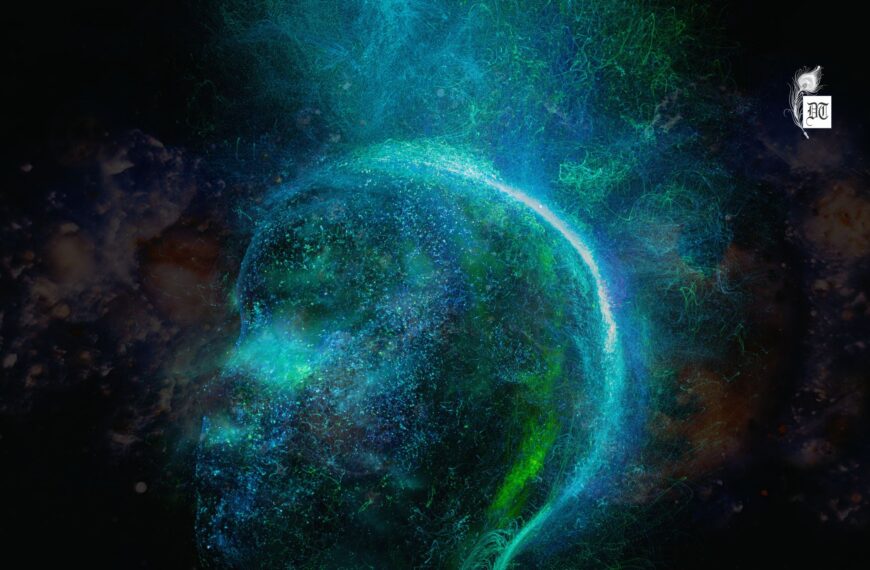
Picture design by Anumita Roy

Born in Shillong, Rita Biswas Pandey’s diverse career spans education and corporate life. A North Eastern Hill University graduate, she holds multiple certifications in social welfare and computer studies. Retiring from UPS to pursue her passion, now a Delhi resident, is a published author (Tinkonya, Yuddha and Kabita somogro ). She also enjoys singing, poetry recitation,sketches, cooking, photography, Blogging and vlogging, sharing her life with her husband, Vinod, and their beloved pet, Titu.
 By
By
 By
By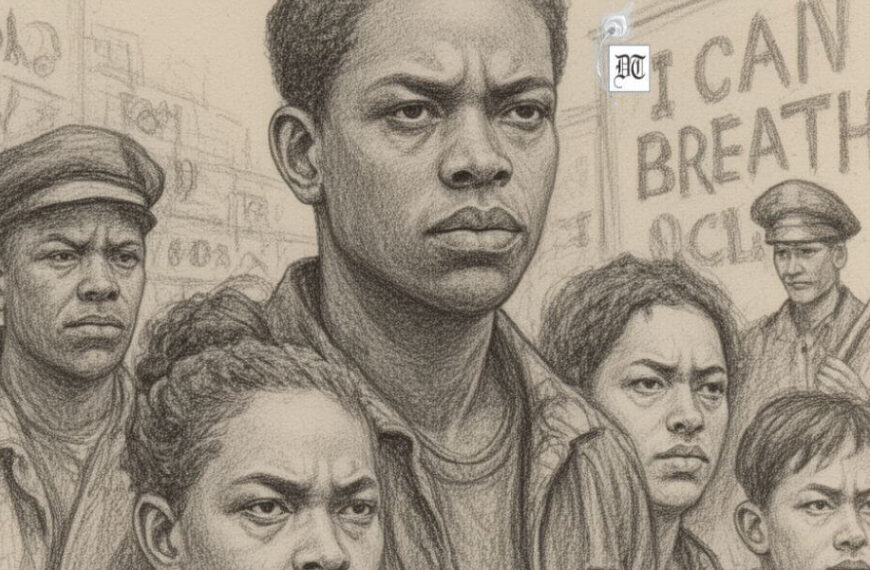
 By
By