
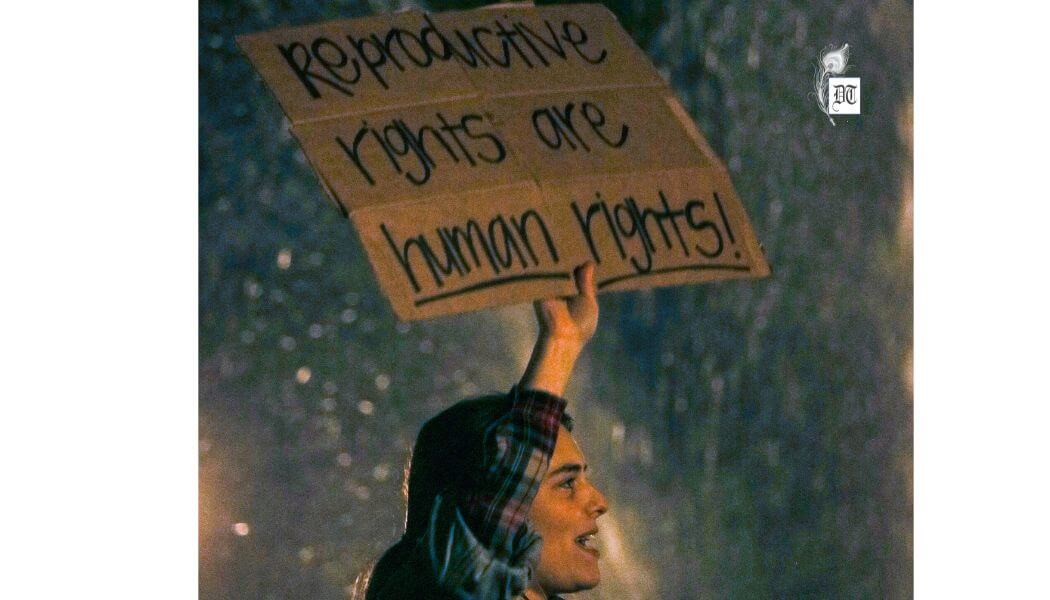
Chitra explores the landmark 2026 Supreme Court of India ruling on reproductive rights in DifferentTruths.com, highlighting a pivotal shift in bodily autonomy.
AI Summary
- Reproductive Autonomy Upheld: The Supreme Court permitted an 18-year-old to terminate a 30-week pregnancy, prioritising her Article 21 rights over foetal life.
- Legal Precedent Set: This ruling expands late-term abortion access based on mental health and personal “willingness”, bypassing traditional MTP Act gestational limits.
- Systemic Gaps Exposed: The case underscores India’s critical shortage of adolescent sexual education and the legal conflict between MTP confidentiality and POCSO reporting.
- Underlining a woman’s reproductive autonomy, the Supreme Court allows an 18-year-old girl to terminate her 30-week pregnancy
- The ruling of January 6, 2026, favours the right woman’s right to bodily autonomy over that of an unborn foetus’s right to life; both rights fall under Article 21 (right to life and dignity)
- A woman’s ‘unwillingness’ to carry forward the pregnancy is the decisive factor, says the Supreme Court
- The Medical Termination of Pregnancy (MTP) Act, 1971, allows termination up to 20 weeks, and in cases beyond 24 weeks, only a court can authorise the procedure
- While this ruling does not mean women can terminate pregnancy any time they want without restriction, it expands access to late-term abortion based on the principle of reproductive autonomy and mental health, and acts as a precedent for exceptional cases where, after 24 weeks, the Court allows termination based on specific circumstances of the woman, rather than a general, unrestricted right
- This case throws the spotlight on the fact that, despite having the world’s largest adolescent population, which stands at 253 million, adolescent sexual health is still a taboo subject in schools, and there is a critical shortage of contraception for adolescents, though they are sexually active
- Access to contraception for adolescents (under 18) is legally complex; while no law prohibits the sale of contraceptives to minors, the Protection of Children from Sexual Offences Act (POSCO) 2012 mandates the service providers to report sexual activities of minors and the identities of adolescent pregnant persons to the authorities
- The only way out is cross-cutting approaches that integrate the sexual and reproductive rights of this heterogeneous group called adolescents into life course programmes of health, education, nutrition, among others
When a woman’s right to bodily autonomy conflicts with that of an unborn foetus’s right to life, both rights fall under Article 21 (right to life and dignity) under the Indian Constitution, the Supreme Court on January 6, 2026, has chosen to favour the right of the woman by granting her the choice of medically terminating her pregnancy, and in this case a 30-week pregnancy of an 18-year-old girl, a resident of Mumbai.
In delivering this verdict, the Supreme Court, on January 6, Justice BV Nagarathna and Justice Ujjal Bhuyan, pivoted on the issue of the minor girl’s ‘willingness’ and overturned the Mumbai High Court’s decision a few months ago denying permission for the procedure, while directing the girl to deliver and give the baby up for adoption.
The Supreme Court judges stated that their primary consideration was the minor’s right to decide whether to continue with the pregnancy, as the child would be illegitimate given the girl’s age. Given her precise and consistent unwillingness to continue with the pregnancy, the Supreme Court judges underlined that their verdict hinged on the fact that delivering the child would cause the minor girl grave physical and mental trauma and social stigma. Simultaneously, the Supreme Court judges emphasised the risks of illegal procedures when individuals are denied legal recourse beyond the time limits established by law.
Abortion is governed by the Medical Termination of Pregnancy (MTP) Act of 1971, which was amended in 2021. According to the Act, termination of pregnancy is not allowed beyond 20 weeks without the approval of a medical board. This board must determine if continuing the pregnancy poses a threat to the mother’s life. For pregnancies beyond 24 weeks, only a court can authorise the procedure. In such cases, courts consider factors like mental anguish, rape, assault, and medical complications, among others.
While this ruling does not mean women can terminate pregnancy any time they want without restriction, it is welcome in that it expands access to late-term abortion based on the principle of reproductive autonomy and mental health and acts as a precedent for exceptional cases where, after 24 weeks, the Apex Court allows termination based on specific circumstances of the woman, rather than a general, unrestricted right.
Critics, however, say that such precedents could prove extremely dangerous and even fatal to women’s lives and stand in danger of denying foetal rights, as the foetus in advanced stages like this has a viable existence after 23 weeks.
Opinions on this issue may vary, but this case—like many others concerning teen pregnancies—highlights a significant problem. India has an adolescent population of 253 million, which accounts for one-fifth of the country’s total population. Despite this substantial demographic, adolescent sexual health remains a taboo topic in schools. The existing adolescent health and reproductive programmes are poorly designed, leading to a critical lack of accurate information about sexuality, as well as inaccessible contraception, adolescent-friendly health services, and platforms that promote healthy and responsible sexual behaviour. Most importantly, these missing links hinder the advancement of youth rights, which further obstructs India’s health objectives.
Access to contraception for adolescents (under 18) is a complicated issue. Government family planning services primarily target married adolescents aged 15 to 19 years. As premarital sex is still frowned upon, government health providers who should address the reproductive needs of youth often refrain from offering information and services related to contraception. It is estimated that 71 per cent of adolescents have an unmet need for contraception. Additionally, the latest National Family Health Survey (NFHS) conducted between 2019 and 2021 reveals that only 10 per cent of Indian women can make decisions regarding their own health.
Complicating matters are conflicting laws. While the MTP Act requires the names of pregnant persons to be kept confidential, the Protection of Children from Sexual Offences Act (POSCO) 2012 mandates service providers to report the identities of minors indulging in sexual activities and adolescent pregnant persons, which deters adolescents from reaching out to health service providers for contraception and abortion-related services.
In this labyrinth of adolescent sexual and reproductive health, the only way out is cross-cutting approaches that integrate the sexual and reproductive rights of this heterogenous group called adolescents into life course programmes of health, education, and nutrition, among others, that work around social and cultural constraints, with multiple layers, components, and outcomes where, along with the youth, parents, teachers, health providers, and political leadership are also involved, for laws alone are not enough. Social media used responsibly can disseminate information and open up conversations around this issue among the youth themselves and provide information on emergency contraception provided over the counter.
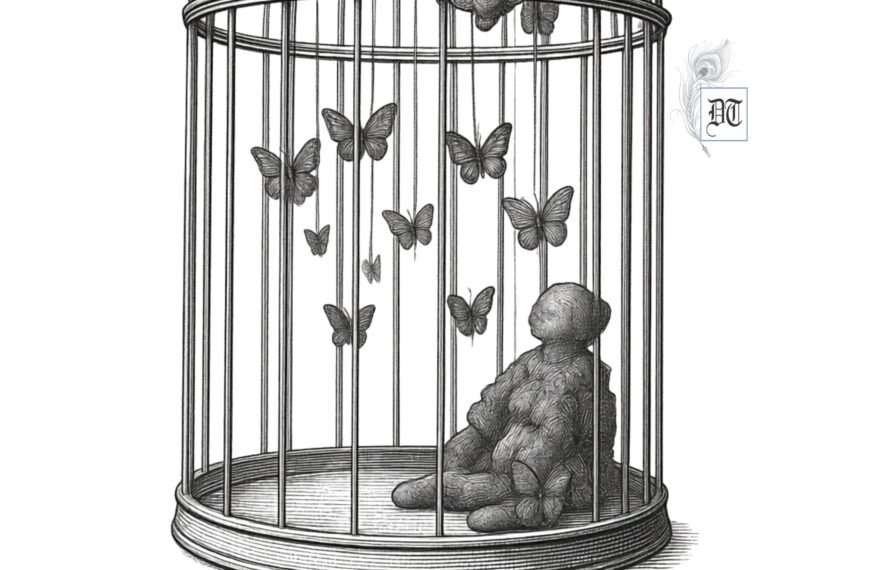
Picture design by Anumita Roy

Chitra Gopalakrishnan, a New Delhi-based writer, uses her ardour for writing to break down the barriers between nonfiction and fiction, narratology and psychoanalysis, marginalia and manuscript, and tree-ism and capitalism.


 By
By
 By
By
 By
By
 By
By