Dr Kunal explores the Dasa Mahavidyas: ten powerful forms of the divine feminine embodying wisdom, strength, and liberation against patriarchal norms, exclusively for Different Truths.
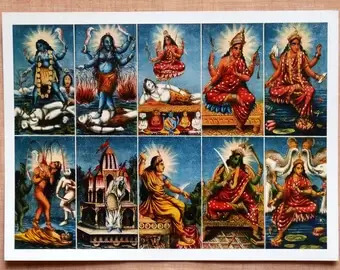
She is the supreme power. Her Dasa Mahavidyas (the Ten Great Wisdom Goddesses) attempt to encapsulate the most “powerful and transformative representations” of the feminine divine that pose an enormous challenge to the maverick masculine social milieu. The feminist structure offers an incisive analysis of the various aspects of feminine energy, such as anger, wisdom, and freedom.
The Dasa Mahavidyas of Hindu Tantrism symbolise and represent the various aspects of the supreme feminine deity, Adishakti. They are the icons of philosophy and spirituality in the realm of feminism. The forms of the prime goddess offer a paradigm shift where the women are not only “passive subjects” but also take an active participation in ensuring strength, wisdom and liberty.
Feminine energy is believed to break the barriers of conventional good and evil, beauty and ugliness, elegance and impurity, and purity and impurity. Ranging from anger to knowledge to autonomy to sexuality to abundance, there is a sense of uniformity and uniqueness in the whole spectrum. The Dasa Mahavidyas‘ miraculous texture is grounded in creation, preservation and destruction.
Kali is the first Mahavidya. She is dark, her hair is unkempt, her right foot is on Shiva’s chest, and she dances in a cosmic dance. She is the symbolic representative of unrestrained anger, transformation and fearlessness. An inspiration for the feminine clan to raise their voice for the rights and responsibilities against gruff masculinity.
Tara is the second Mahavidya. She is blue and known as Neel Saraswati. She is a gentle saviour and represents cosmic wisdom and maternal companionship. Feminism perceives her as a mother, and her sense of detachment symbolises the intellectual emancipation of womanhood.
Shodashi is the third Mahavidya and is known as Tripura Sundari. She represents elegance, eroticism and absolute bliss. Her message to the male society consists of showing reverence to women and not as mere idols of sexual gratification.
Bhuvaneshwari is the fourth Mahavidya. She is the queen of the cosmos who represents the woman clan as the torchbearers of the world in terms of biology, culture, cosmos and philosophy.
Bhairavi is the fifth Mahavidya. The Warrior Goddess. Her sharp rage, red colour, texture and an undeniable bond with the crematorium ground mirror the overwhelming power of assertion, moral limpidity and the right to envisage the mortal realm. She instils the power to speak and shatter the injustice meted out to women.
Chinnamasta is the sixth Mahavidya and the most crucial among all. She beheads herself to offer nourishment to the souls around. She is the token of selflessness, pure sacrifice, indomitable willpower and restraint over desire. She says that a woman is not a commodity to be sold and cherished, nor a victim of patriarchal society.
Dhumavati is the seventh Mahavidya. She is old, worn out, and an ill-fascinating widow whom the male domination not only fears but refuses to embrace. Her forte is embedded in experience and solitude. She represents the menopausal power, the widowed phase and the female authority.
Bagalamukhi is the eighth Mahavidya who uses her “Sthamvan Shakti” to stun and silence foes. She represents an enormous strength to defy and disrupt the speech of oppression, throw challenges at the male society and control the discourses and cuteness on her terms.
Matangi is the ninth Mahavidya, also known as “Tantric Saraswati”. She is the goddess of profanity, speech, music and non-conformity. Her presence defies conventional purity and social classification. She empowers women of all classes to cooperate in the creative process.
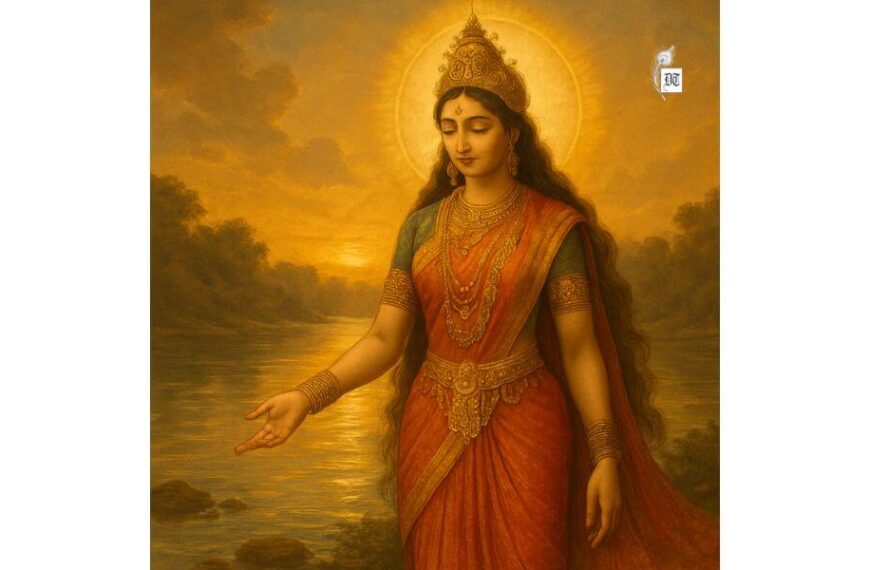
Kamala is the tenth and last Mahavidya. She is often compared with the Goddess Laxmi, as her cosmic presence takes after the latter. She is accompanied by two elephants, and being untouched, she represents a world of material gains and spiritual depth. Her divine aura states with conviction that a woman can enjoy wealth, elegance and triumph without being embraced by masculine domination.
It is an odyssey from wrath to the ultimate consciousness. The Dasa Mahavidyas represent an urge for self-proclamation and self-identity, a journey into the inner realm where auto-reflection, loneliness and the intermingling of dark shadows, the eradication or silencing of the seed of mayhem, calmness amid the desires and an inspiration to win destiny and the abundance without dependence, elegance without definition and grace.
With time, different literary figures like Chitra Banerjee, Mahasweta Devi and Mandakranta Bose have analysed and evoked Mahavidya through the chief tools of body, voice and presence. They have found a variety of expressions in sorrow, anger, protest, silence and survival of literary personalities. The token of divinity ensconced in the forms of restraint, fantasy and panacea in their immortal works.
Each Mahavidya mirrors another. It is in a cyclic pattern, which is synonymous with the circular pattern of our destiny. They are not only confined to the temple sculptures but are very much rooted in the terra firma of reality and therefore breathe, transfigure and speak boldly through each posterity. The Dasa Mahavidyas make us realise in every step that ‘real empowerment nestled in the purity and authenticity of courage. Though it appears in fragments, it is complete. Angry yet motherly, judicious yet merciful and light yet shadowy. The worth lies in becoming one with them to rise above the barriers and banalities of this fleeting existence!
Works Cited
1. Kinsley, David, Tantric Visions of the Divine Feminine: The Ten Mahavidyas, University of California Press, 1997.
2. Das, Kamala, My Story. HarperCollins India, 2009.
3. Selected and relevant podcasts and videos on social media.
Visuals sourced by the author

Dr Kunal Roy, a lifelong devotee of art and literature, has authored eleven books and contributed to over forty anthologies. His work has garnered national and international acclaim, earning him numerous awards, including two national honors. Recognised as a prominent SARRAC poet, Dr Roy currently serves as an Assistant Professor in the Department of English Language and Communication at George Group of Colleges, Kolkata.


 By
By
 By
By
 By
By