
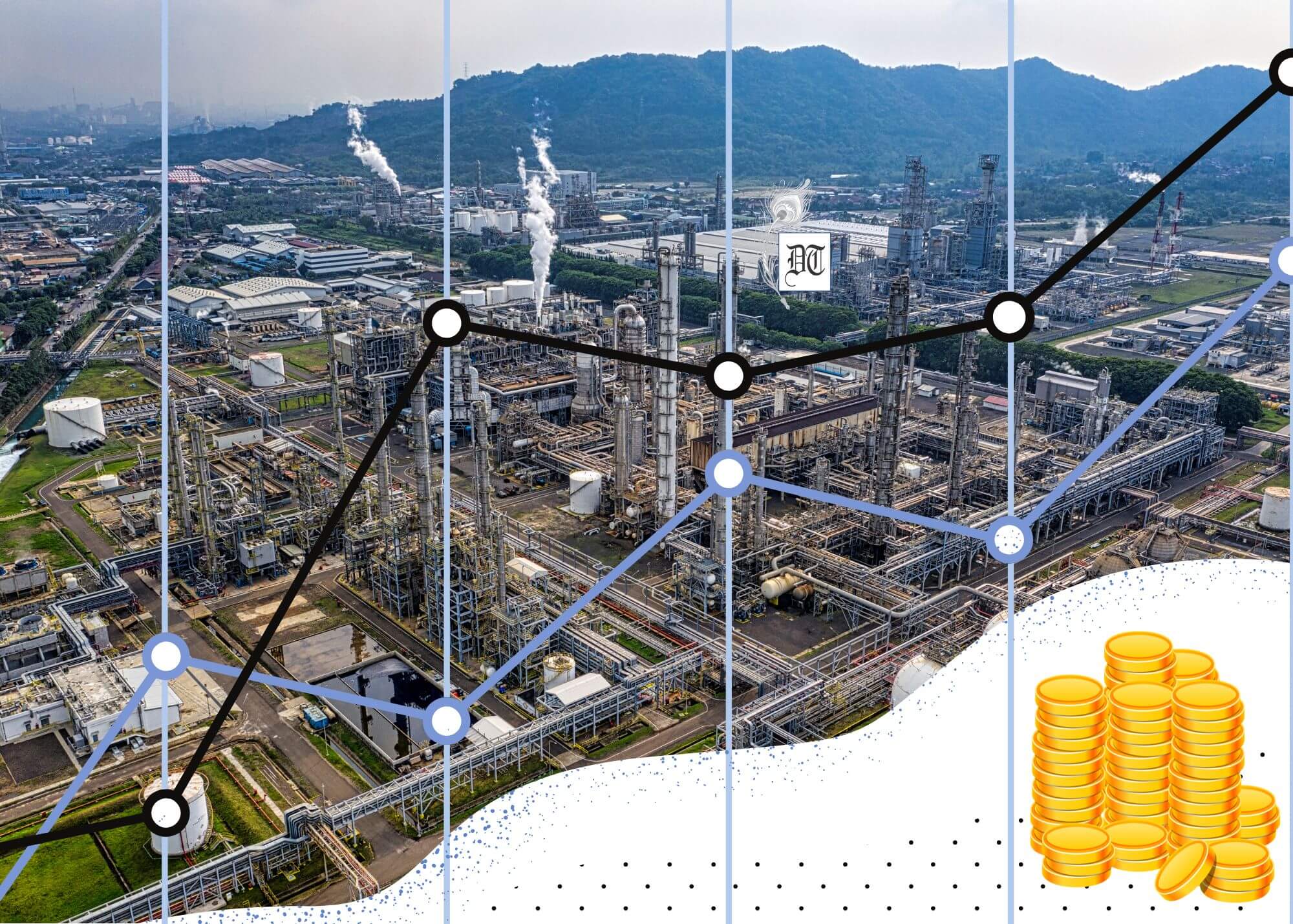
Rishi explores how Iran-U.S.-Israel tensions spike oil prices, rattle markets, and unsettle the world in DifferentTruths.com.
AI Summary
- Iran-US-Israel tensions threaten the Strait of Hormuz, driving oil prices up and inflating global supply chains.
- Investors flee to safe assets, volatility hits stocks, and trade/shipping costs soar amid uncertainty.
- Sanctions tighten on Iran; crises accelerate energy diversification worldwide.
Oil, power, and a nervous world.
The triangle of tension between Iran, the United States, and Israel is not just a geopolitical drama playing out in the Middle East. It is a pressure point in the global economic system. In a world as tightly interconnected as ours, conflict in one region sends tremors through energy markets, financial systems, and political alliances far beyond its borders.
The most immediate impact is on oil and energy markets. The Middle East still sits at the heart of the world’s oil supply. Iran itself is a major energy player, but the larger concern is geography. The Strait of Hormuz, through which nearly a fifth of the world’s oil passes, lies along Iran’s southern coast. Whenever tensions escalate between Iran and Western allies such as the United States or Israel, traders begin to price in the possibility of disruption. Even the hint of instability can push oil prices upward, because markets hate uncertainty. Higher oil prices then ripple through the global economy, raising transportation costs, manufacturing expenses, and ultimately the price of everyday goods.
For countries already struggling with inflation, this becomes particularly dangerous. Energy costs sit quietly at the base of almost every supply chain. When oil rises, food, shipping, and electricity often follow. Governments from Europe to Asia find themselves scrambling to stabilise prices, sometimes dipping into strategic reserves or searching for alternative suppliers.
Another economic effect lies in financial markets and investor confidence. Global investors tend to flee to safety during geopolitical crises. This often means money flows out of emerging markets and into perceived safe assets like the US dollar or government bonds. Stock markets can become volatile as investors try to gauge how far a conflict might escalate. Airlines, shipping companies, and energy-dependent industries are particularly sensitive, while defence companies sometimes see gains.
Trade routes are another hidden casualty. The Middle East is a crossroads between Asia, Europe, and Africa. Any instability in the region raises insurance costs for shipping and increases risks for cargo routes. Even if ships continue moving, the cost of doing business climbs. These added costs eventually show up in global trade prices.
Then there is the sanctions economy. Iran has lived under various layers of Western sanctions for years, restricting its ability to sell oil freely or access global financial systems. When tensions rise, sanctions can tighten further, affecting not only Iran but also companies and countries that trade with it. Energy importers like China and India often find themselves navigating a delicate diplomatic and economic balance.
Finally, there is the longer strategic shift already underway: energy diversification. Every Middle Eastern crisis reminds governments how vulnerable the world remains to oil geopolitics. Europe’s recent push toward renewable energy, liquefied natural gas imports, and diversified supply chains reflects a broader attempt to reduce dependence on volatile regions. Ironically, each flare-up in the Iran-US-Israel dynamic accelerates that transition.
In short, this geopolitical triangle acts like a thermostat for global economic anxiety. When tensions rise, energy prices climb, markets wobble, trade costs increase, and governments rush to secure alternatives. In a deeply interconnected world economy, a confrontation that appears regional can quickly become global.
And the real economic cost is not just the conflict itself but the persistent uncertainty it casts over the world’s markets.
Picture design by Anumita Roy

Rishi Dasgupta, a Masters in Economics from the University of St. Andrews, Scotland, is a millennial, multilingual, global citizen, currently pursuing a career in the UK. An accomplished guitarist and gamer, his myriad pursuits extend to the study of the ancient philosophies and mythologies of India. ‘Adi Shiva: The Philosophy of Cosmic Unity’ is Rishi’s second book as co-author.

 By
By
 By
By
 By
By
 By
By