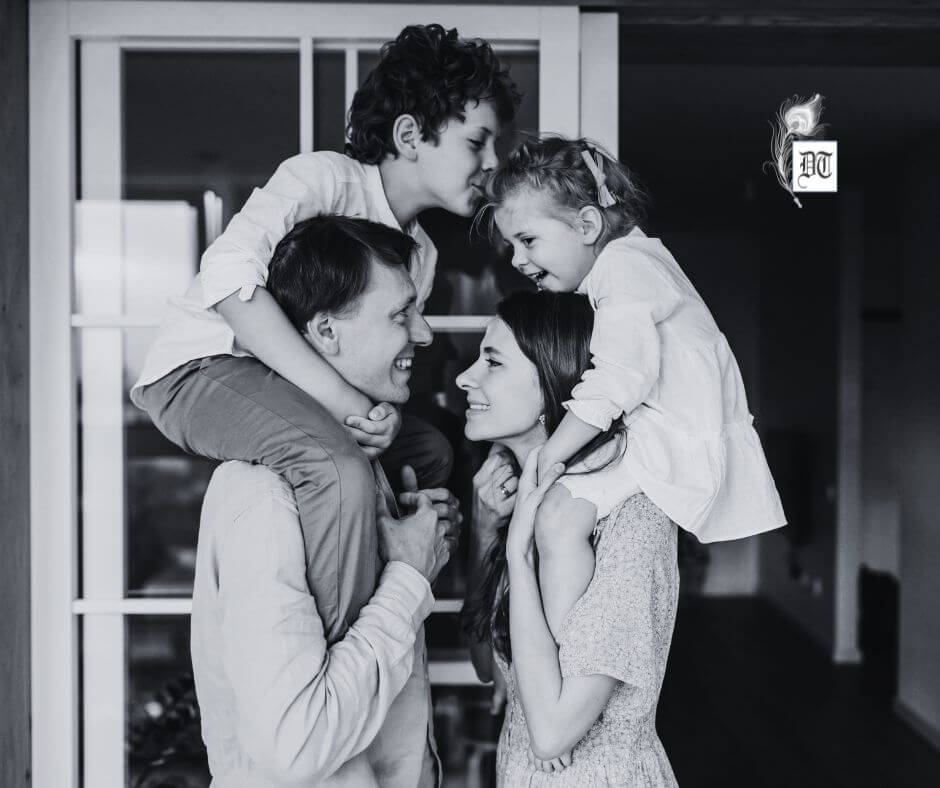
Explore the profound journey of parenting with Mowmita—an extraordinary blend of love, resilience, and self-discovery that reshapes identities and builds future generations, for Different Truths.
Parenting is one of the most profound human experiences. It is at once ordinary and extraordinary, universal yet deeply personal. Every parent, regardless of culture or circumstance, embarks on a journey filled with joy, exhaustion, discovery, and transformation. To parent is to step into a role that reshapes identity, redefines priorities, and teaches lessons that no classroom or textbook can fully capture.
Let’s look at parenting from many angles: its emotions, cultural differences, practical challenges, and deeper meaning. It is not a guide or a list of rules but a reflection on the art and responsibility of raising children today.
The Beginning: A Leap into the Unknown
Parenting starts with uncertainty. No matter how ready someone feels, having a child is stepping into the unknown. Babies do not come with instructions, so parents learn through trial, error, and instinct.
The early months can be overwhelming. Sleepless nights, constant feeding, and the worry of “Am I doing this right?” shape daily life. Still, these months are also special. The first smile, a baby’s tiny fingers, and the quiet breathing of a sleeping child remind parents they are part of something bigger.
At first, parenting feels like survival, but it soon turns into a journey of discovery. Every day brings new milestones, challenges, and joys.
Parenting Philosophies: Tradition and Modernity
Over time, parenting has been shaped by culture and society. In farming communities, children often helped support the family. Discipline was strict, obedience was valued, and individuality was less important than survival. Modern parenting, however, emphasises emotional development, individuality, and self-expression. Parents today are encouraged to nurture creativity, respect autonomy, and provide psychological safety.
There are several common parenting styles:
- Authoritarian Parenting: Strict rules, high demands, little room for negotiation.
- Authoritative Parenting: A balance of firmness and warmth, encouraging dialogue and independence.
- Permissive Parenting: Few rules, high indulgence, prioritising freedom and self-expression.
- Uninvolved Parenting: Minimal guidance or involvement, often due to stress or lack of resources.
Research shows that authoritative parenting, which is both firm and nurturing, leads to the best outcomes. Children raised this way tend to be confident, empathetic, and resilient.
The Emotional Core: Love and Attachment
Attachment is central to parenting. Psychologists say that secure attachment in early childhood builds the foundation for emotional stability and healthy relationships later on.
- Secure attachment arises when parents are consistently responsive and loving.
- Insecure attachment can result from inconsistent care, neglect, or trauma.
Parenting is more than providing food and shelter. It means creating a safe space where love is unconditional, mistakes are forgiven, and growth is encouraged.
Parenting Across Cultures
Parenting looks different around the world. Culture strongly influences how parents raise their children.
- In Japan, parenting emphasises harmony, respect, and group belonging.
- In Scandinavia, independence, outdoor play, and emotional openness are central.
- In India, tradition and modern ideas mix. Respect for elders and academic success go hand in hand with individuality and global awareness.
- In the United States, diversity of parenting styles reflects pluralism, ranging from competitiveness to creativity.
These differences show that parenting is not only personal, but also cultural. What counts as “good parenting” in one place might seem too strict or too lenient in another.
The Practical Challenges
People often idealise parenting, but in reality, it is demanding. Parents handle many responsibilities:
- Financial Pressure: Raising a child is expensive, from diapers to college tuition.
- Time Management: Balancing careers, household duties, and personal lives is constant.
- Education: Choosing schools, supporting homework, and navigating extracurriculars require involvement.
- Health and Safety: Parents monitor nutrition, vaccinations, and emotional well-being.
- Technology: Smartphones and social media bring new challenges, such as screen time, cyberbullying, and exposure to inappropriate content.
Even with these challenges, parents adapt. They learn to multitask, set priorities, and make sacrifices. Many say parenting is “the hardest job in the world”, but it is also the most rewarding.
Parenting in the Digital Age
The digital age has changed parenting. Children now grow up with screens, apps, and online communities. Parents face questions that previous generations did not:
- How much screen time is healthy?
- Should children have smartphones before adolescence?
- How do parents protect children from online predators or misinformation?
Digital parenting means being watchful but also open-minded. Technology can help with learning, exploring, and staying in touch. The challenge is to find balance so children use the digital world without losing connection to real life.
Raising Resilient Children
Modern psychology offers helpful insights into parenting. Concepts like growth mindset, emotional intelligence, and resilience are now important in helping children to see challenges as opportunities for learning.
- Emotional Intelligence: Teaching children to recognise, express, and regulate emotions.
- Resilience: Helping children bounce back from setbacks and failures.
- Parents who show patience, empathy, and perseverance give their children important tools for life.
Parenting as Self-Discovery
Parenting changes the parent as much as the child. Many people say it is like looking in a mirror, as children reflect their parents’ strengths, weaknesses, and unresolved issues.
A parent who finds patience difficult learns to slow down. A parent who fears being open learns to share more. Parenting is not only about raising children; it is also about personal growth.
Beyond Academics
Education is often viewed as a key part of parenting. Parents put a lot of effort into their children’s schooling and achievements. But real education is more than academics:
- Moral Education: Teaching honesty, kindness, and responsibility.
- Social Education: Helping children navigate friendships and teamwork.
- Practical Education: Teaching life skills like cooking, budgeting, and problem-solving.
Success is not just about grades or jobs. It is also about character and happiness.
The Parent as a Person
One part of parenting that is often missed is the parent’s own identity. Many parents lose themselves in the role and forget their own dreams and individuality.
Healthy parenting means finding balance. Parents need to care for themselves as well as their children. A fulfilled parent sets a good example. Parenting is not about losing yourself, but about growing as a person.
Letting Go
One of the hardest parts of parenting is letting go. From the first day of school to when a child leaves home, parenting is a slow process of learning to let go.
Letting go means moving from control to guidance and from protection to trust. It is understood that children are not possessions but individuals with their own paths.
Despite the challenges, parenting brings a lot of joy. A child’s laughter, the pride in their success, and quiet moments together are the rewards that make it all worthwhile.
The joy is often in the small things: bedtime stories, shared meals, silly jokes, and family traditions. These moments create memories that last a lifetime.
Parenting in the Future
As society changes, parenting will change too. Climate change, globalisation, new technology, and changing social norms will all affect how future generations raise children.
Parents in the future will need to help children develop adaptability, empathy, and a sense of global citizenship, not just job skills. But the core of parenting will stay the same: love, guidance, and growing together with your child.
Conclusion
Parenting is not a science or a formula. It is an art, a relationship, and a lifelong journey. It requires patience, resilience, and humility, and it brings joy, meaning, and change.
To parent is to embrace uncertainty, to nurture growth, and to let go with love. It is to recognise that raising a child is not about perfection but about presence. Parenting is, ultimately, the most human of endeavours—messy, beautiful, and endlessly rewarding.
Picture design by Anumita Roy

Mowmita Sur is an educationist, author, poet, and content writer. She has received many accolades for her writings at both the national and international levels. She was awarded as one of the best 50 poets of India. Many of her published book gets effusive praise and good reviews. Her books are captivating, incredibly well-researched and evoke strong emotions. She writes witty fiction, non-fiction, horror and mysteries. Her characters are clever and fearless like her.


 By
By
 By
By