Dr Madhumita explores the evolving landscape of gender and sexuality within Indian society, exclusively featured in DifferentTruths.com.
AI Summary
- Societal Shift: Examines India’s transition from viewing same-sex bonds as mere emotional ties to acknowledging diverse sexual identities and orientations.
- Legal Milestones: Highlights pivotal legal victories, including the 2014 recognition of the “third gender” and the 2018 decriminalisation of homosexuality.
- Literary Representation: Critiques the depth of LGBTQIA+ characters in Hindi fiction, advocating for more authentic, socio-cultural, and serious portrayals.
Indian society has never found it easy to discuss issues of gender and sexuality freely. A society divided into the binary of male and female genders has often pushed diverse gender and sexual identities—such as LGBTQIA+, meaning lesbian, gay, bisexual, transgender, and queer—into marginal spaces. Homosexuality has long been considered taboo in India. According to the dictionary, homosexuality refers to “being sexually attracted to people of one’s own gender.” Discussions around homosexual identities began in the 19th century, but they were often framed not in terms of sexual relationships but as affectionate or emotional bonds between men.
Feminism has played a crucial role in bringing issues related to gender and sexuality into the centre of debate. Feminism and feminist discourse were already engaging with questions of women’s identity, existence, body, gender, sex, and sexuality. Parallel to and later emerging from this discourse, queer studies began revisiting these issues and re-centring them within broader debates. In this way, one branch of feminist discourse moved from lesbian feminism toward LGBTQ and eventually toward queer discourse.
With the support of various movements and organisations, LGBTQIA+ individuals gradually began the process of coming out (coming out is the process through which LGBTQIA+ individuals first acknowledge their identity to themselves and then express it to others). This community, striving for recognition and rights, has now begun to receive support from the judiciary and Parliament. On April 15, 2014, the Supreme Court of India recognised transgender persons as a “third gender”, and on 6 September 2018, homosexuality was decriminalised. Although acceptance has improved compared to the past, hesitation in fully accepting LGBTQIA+ individuals can still be observed in Indian society and Hindi literature.
In Hindi fiction, LGBTQIA+ characters have appeared in different forms. Sometimes they have emerged as central characters; at other times, they have appeared through certain traits reflected in mainstream characters. However, rarely have these characters been examined seriously with their core nature, temperament, and socio-cultural circumstances at the centre. Hindi fiction is a serious literary form. Despite elements of imagination, it differs from films or other creative media in its depth and authenticity. Writers often explore subjects with significant depth and insight, and superficial analysis is relatively rare. Yet LGBTQIA+ discourse is complex, layered, and often misunderstood, sometimes creating confusion due to its abstract and evolving nature.
For the general public, LGBTQIA+ identities are often limited to lesbian, gay, and transgender categories. Many people are familiar with terms like “kinner” and “homosexuality”, but fewer understand the internal diversity within these identities. Terms such as ‘kinner’, ‘homosexuality’, and ‘transgender’ encompass multiple meanings and concepts. A common social assumption is that sexual attraction exists only between males and females, which is referred to as ‘heterosexuality’. However, attraction toward the same gender also exists and is a valid reality, though mainstream society often hesitates to acknowledge it.
An individual identified as female may express femininity or masculinity in terms of gender identity and may identify as heterosexual, bisexual, or homosexual in terms of sexual orientation. Similarly, someone who identifies as gay may exhibit behaviours associated with masculinity or femininity. Beyond the categories of male or female and heterosexual or homosexual, there are many forms of sexual orientation and gender identity, and these continue to evolve and expand as society grows more aware and inclusive.
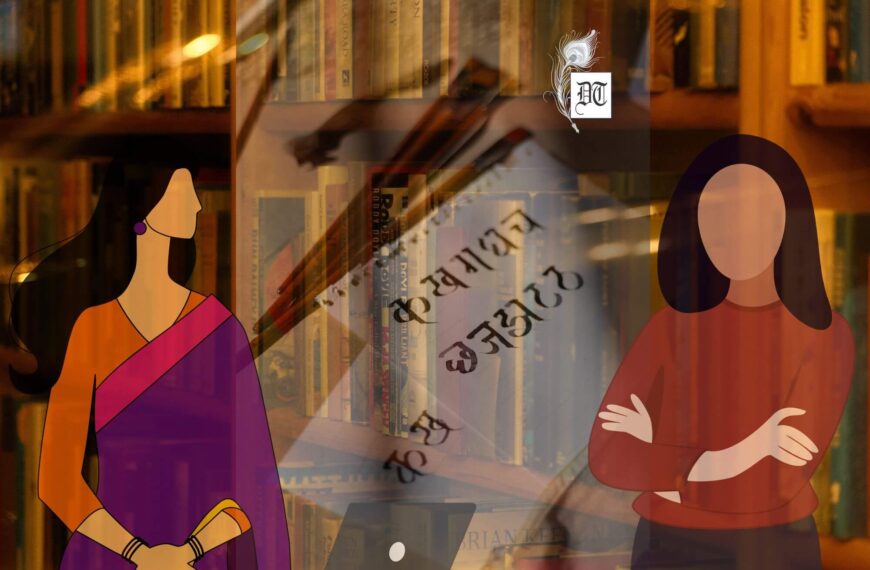
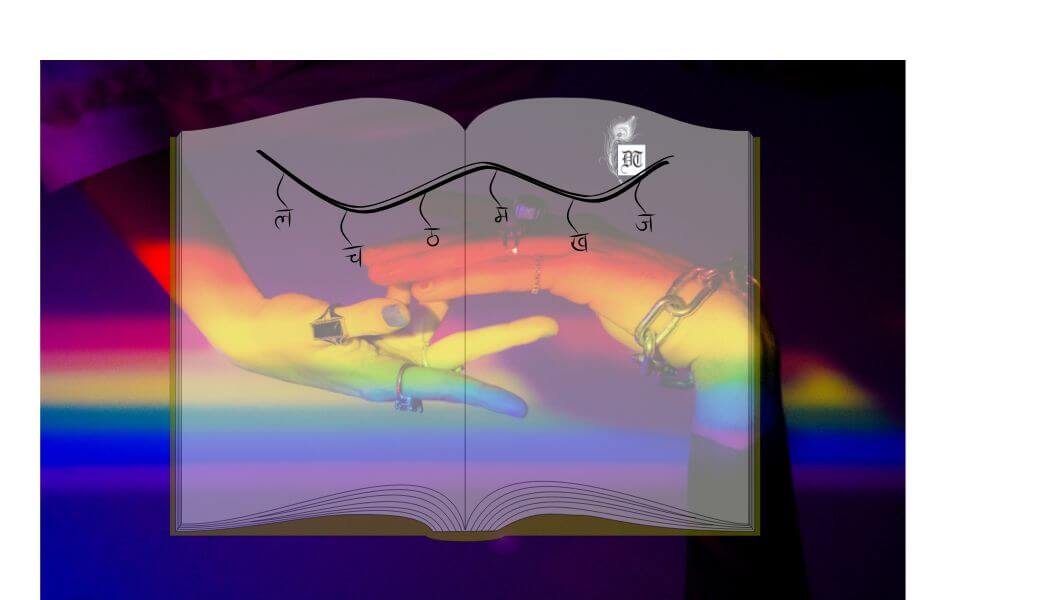
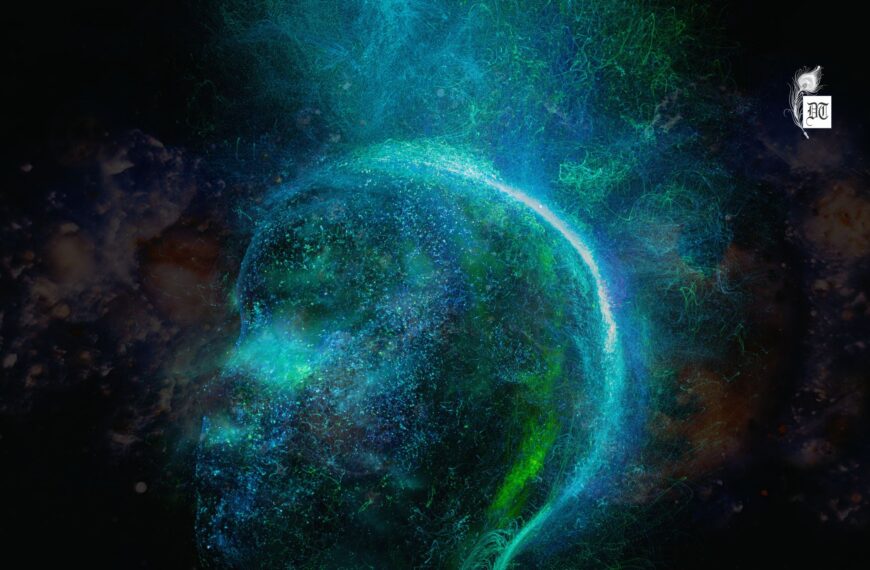
Picture design by Anumita Roy

Dr Madhumita Ojha, a Hindi literature scholar, specialises in folk literature, cultural studies, gender, and marginalised narratives. She earned an MA and PhD in Hindi from Presidency University, plus a BEd from Mahatma Gandhi International Hindi University, Wardha. Author of Folk Literature and Culture, she has published extensively on Kinnar narratives, LGBTQ representation, women’s studies, and Dalit literature. She serves as a guest lecturer at the Hindi University, Howrah, Kolkata.

 By
By