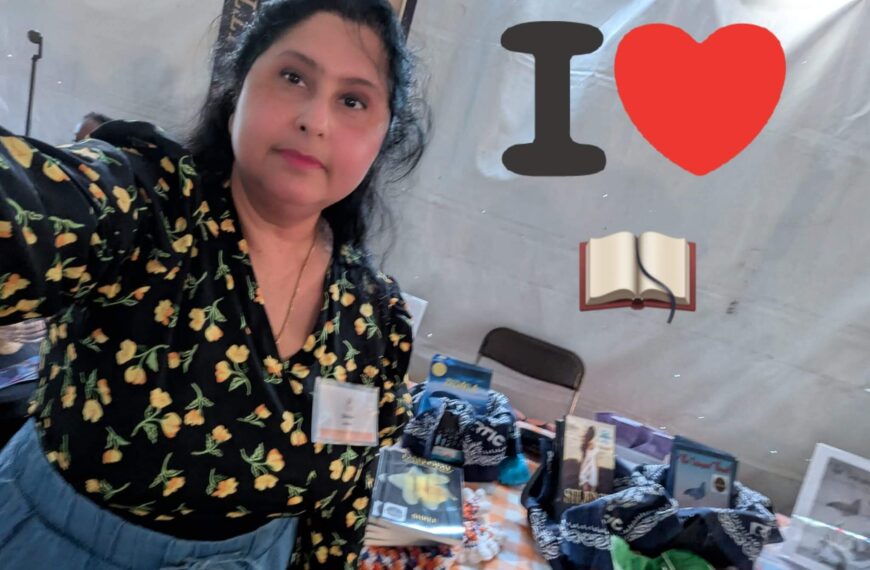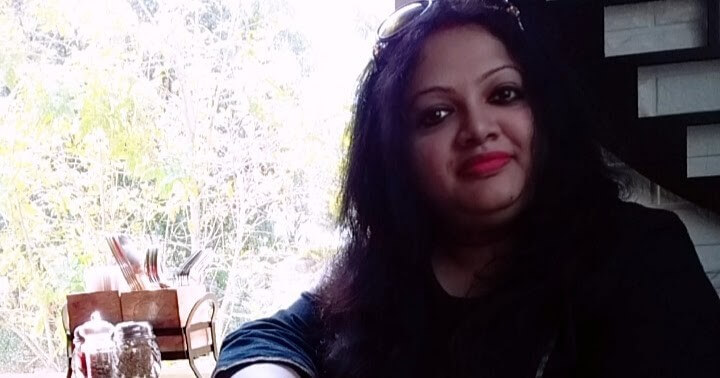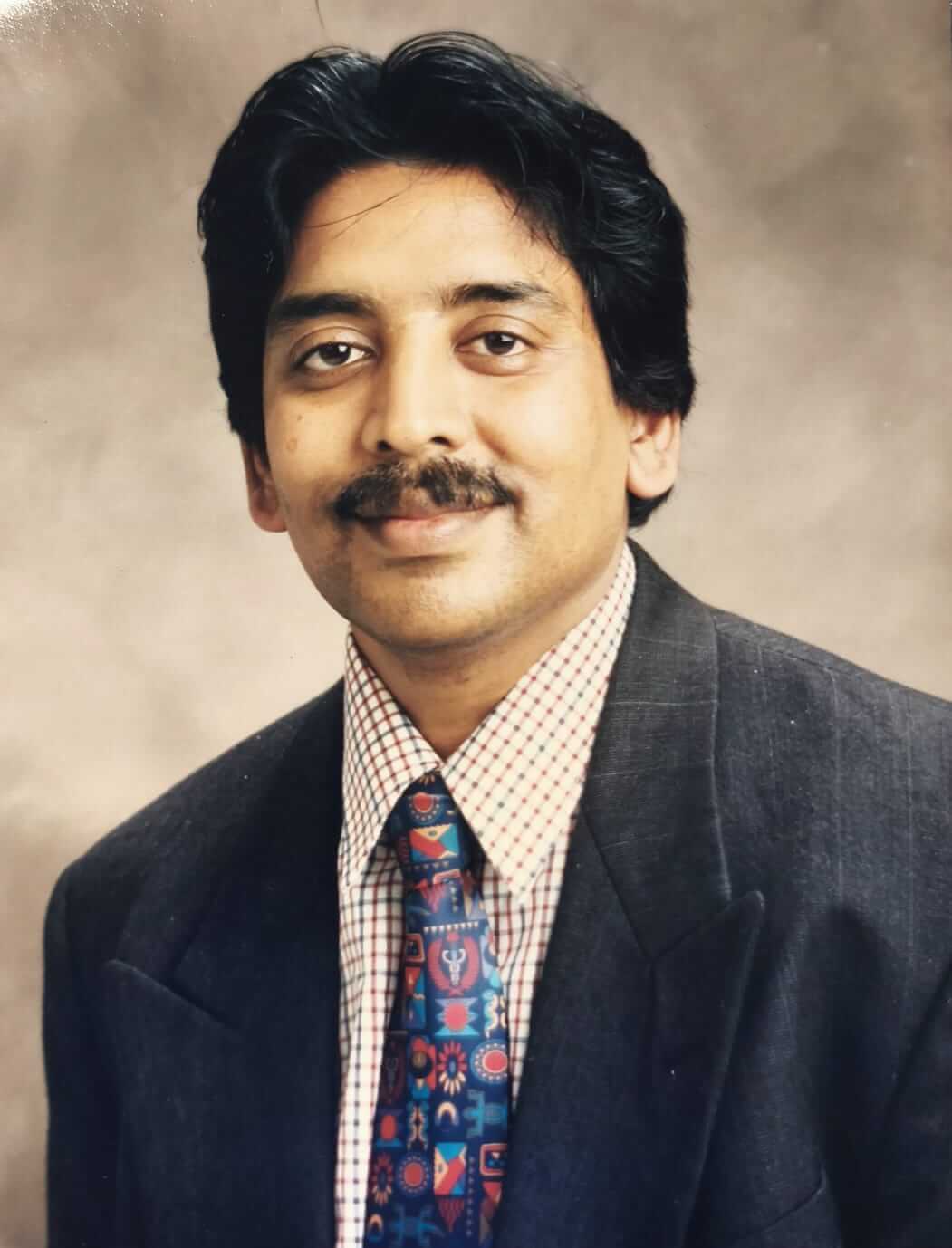
Anita Sharma interviews Dr Amitabh Mitra to explore where art meets medicine, revealing how empathy transforms healing, exclusively for Different Truths.
In a candid conversation, Anita Sharma—a Global Learning Strategist known for her interdisciplinary approach to education and storytelling—engages Dr Amitabh Mitra in a dialogue that traverses the emotional landscapes of trauma care, the poetic pulse of healing, and the enduring human skills that AI cannot replicate.
In an age obsessed with speed, precision, and automation, Dr Mitra offers a radical reminder: healing is human. His life is a living poem—where scalpel meets stanza, and medicine meets meaning. Through his art, poetry, and practice, he invites us to slow down, feel deeply, and remember that the future of care is not just technological—it’s tender.
This tete-a-tete is a revelation on creativity, empathy, and the art of being fully human.
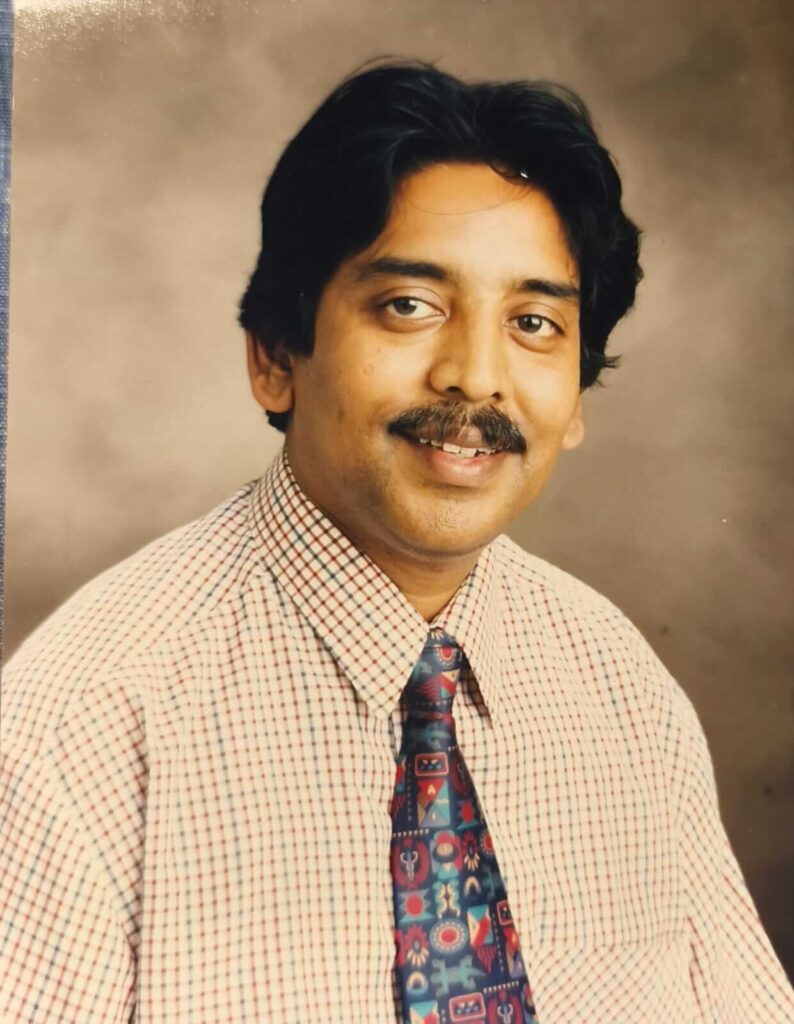
Anita Sharma (AS): Who Is Dr Amitabh Mitra?
Dr Amitabh Mitra (AM): Dr Mitra is a rare kind of healer—one who stitches wounds with surgical precision and mends souls with poetry and paint. Based in East London, South Africa, he is a trauma surgeon, poet, visual artist, and global humanitarian. Born in Gwalior, India, his journey has taken him from the corridors of medical colleges to the dusty roads of Niger, and from the emergency rooms of Mdantsane to the quiet solitude of his art studio. His work is a living testament to the idea that medicine is not just science—it’s story, spirit, and song.
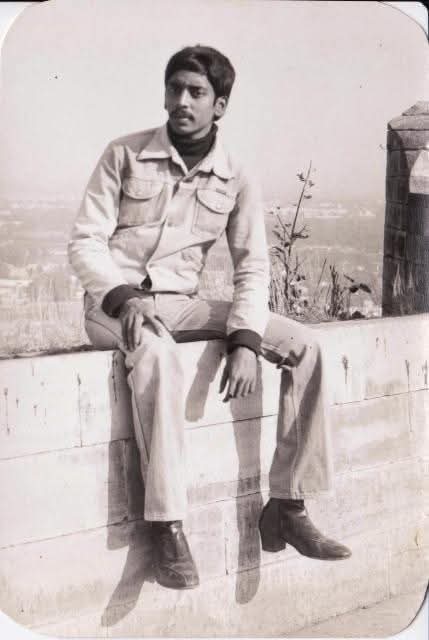
AS: Dr Mitra, your life reads like a novel—equal parts medicine, art, and poetry. Was there a moment when you realised these worlds weren’t separate?
AM: Yes, and it wasn’t dramatic—it was quiet. I was a young boy in Gwalior, sketching the fort at dusk and scribbling verses in the margins of my textbooks. Later, in medical school, I found myself writing poems after long shifts. The scalpel and the pen became extensions of the same impulse: to understand suffering and transform it.
AS: That’s beautiful. Do you think your artistic sensibilities have changed how you approach trauma care?
AM: Absolutely. In trauma, you often meet people at their most vulnerable. There’s blood, panic, silence. But beneath that is a story—a mother, a child, a dream interrupted. Art teaches you to listen beyond the noise. It slows you down, helps you see the person, not just the injury.
AS: You speak of listening as an art form. How does emotional intelligence shape your interactions in such high-stakes environments?
AM: Emotional intelligence is the difference between treating and healing. It’s the ability to read a patient’s fear in their eyes, to sense when a colleague is overwhelmed, to know when silence is more therapeutic than speech. In trauma care, you must be technically precise but emotionally porous. That’s where poetry helps—it trains you to feel deeply and respond gently.
AS: In your view, what human skills will remain irreplaceable in the AI era?
AM: AI can simulate logic, but it cannot simulate longing. It can process data, but not dreams. Skills like empathy, intuition, and moral imagination—these are uniquely human. The ability to sit with ambiguity, to comfort without solving, to create beauty from pain—these will always be ours.
AS: That resonates deeply. How can we nurture these qualities in medical professionals today?
AM: We must reimagine medical education. Introduce narrative medicine, art therapy, and reflective writing. Let students shadow not just surgeons but poets. Encourage them to ask not just “What is the diagnosis?” but “Who is this person?” Creativity builds resilience. It’s not a luxury—it’s a necessity.
AS: You’ve often said poetry is your scalpel for the soul. Can you share how it helps you process the emotional weight of your work?
AM: After a difficult case, I don’t always talk—I write. A poem allows me to hold the pain without being consumed by it. It gives shape to the chaos. Sometimes, I write about the patient. Sometimes, I write about the silence that follows. Poetry is my way of honouring the lives I touch and the ones I couldn’t save.
AS: That’s profoundly moving. Do you find that your poetry also helps others—patients, colleagues, readers?
AM: Yes. I’ve had patients read my poems and say, “You understood.” I’ve had nurses tell me a verse helped them sleep after a hard shift. Poetry creates connection. It’s a mirror and a balm. In a world that often feels fragmented, it reminds us that we’re not alone.
AS: Before we close, could you share a poem that brings us back to Gwalior—your roots?
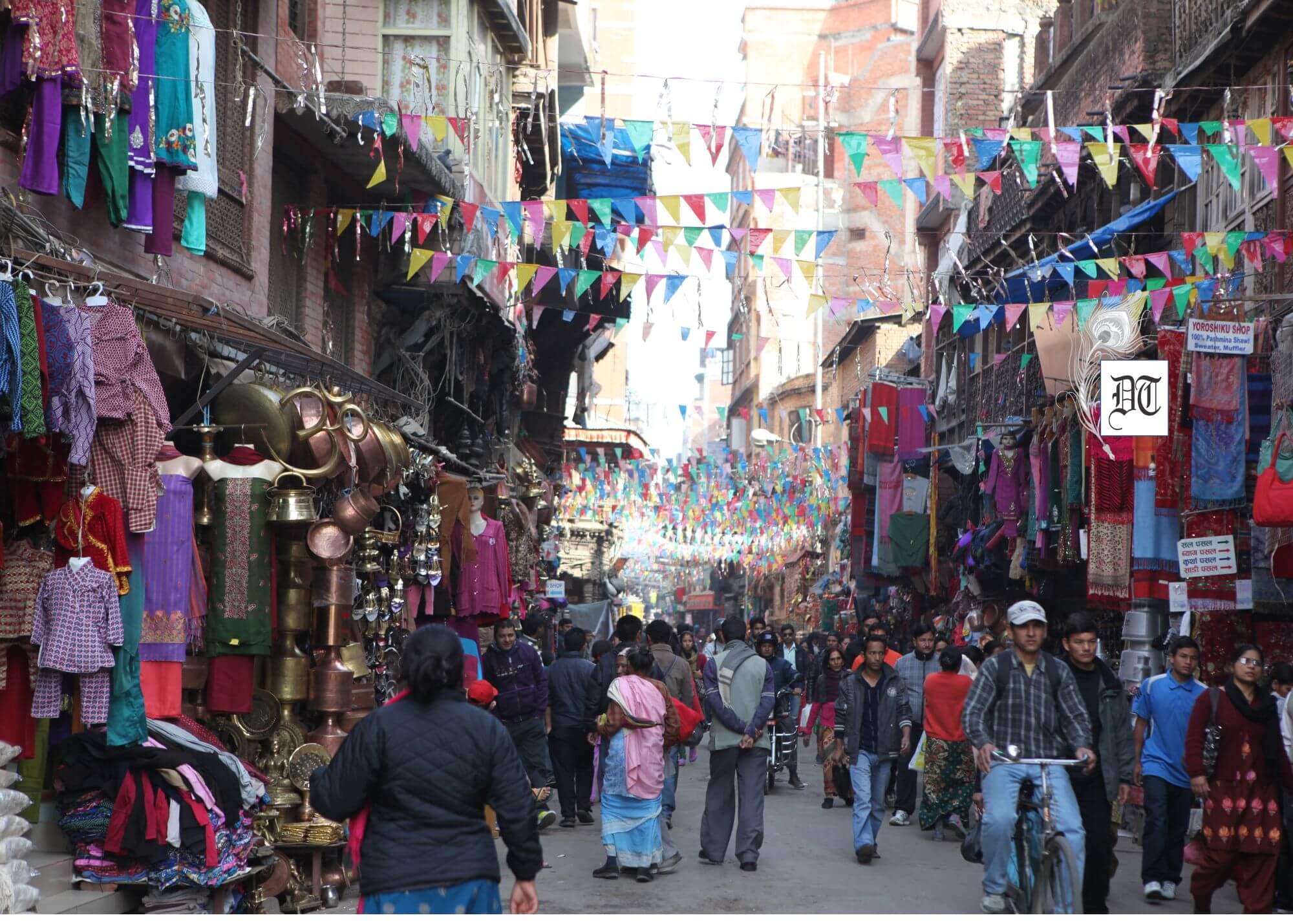
AM: Of course. Gwalior is my heartbeat.
A Poetic Tribute to Gwalior

In Gwalior’s twilight hush, I walk again,
Past forts that whisper ancestral pain.
The peacocks cry in monsoon’s grace,
And childhood dreams find their place.
The alleys echo with forgotten rhymes,
My pen remembers those tender times.
A city of verses, of veena and flame—
Gwalior, you still call my name.
Photos sourced by the interviewer

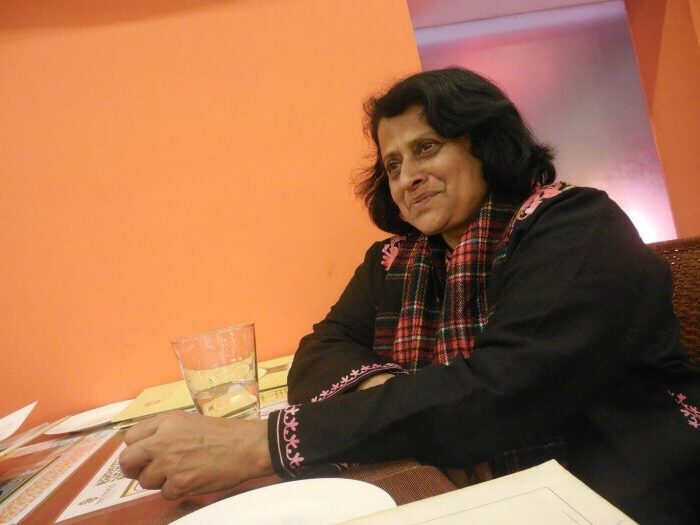
Anita Sharma is a Global Learning Strategist whose work redefines the boundaries of education, branding, and AI-powered storytelling. With a background in cognitive science, chemistry, and philosophy, she architects adaptive learning frameworks that resonate across cultures and disciplines. Anita is known for her ability to humanise technology, craft viral narratives, and inspire innovation in K–12, higher education, and corporate ecosystems. Her LinkedIn presence is a masterclass in thought leadership, empathy, and interdisciplinary brilliance.

 By
By
 By
By