Rita explores Iran’s 2026 existential crisis for DifferentTruths.com, as a crumbling economy and fractured regional strategy spark proto-revolutionary unrest.
AI Summary
- Economic Collapse: Hyperinflation, hitting 60%, and a record rial devaluation have triggered nationwide protests and wiped out citizens’ savings.
- Political Fragility: A brutal crackdown and internet blackout mask a looming power vacuum as the IRGC tightens its military grip.
- Regional Decline: The fall of Syria’s Assad regime and a weakened “Axis of Resistance” have shattered Tehran’s long-standing security shield.
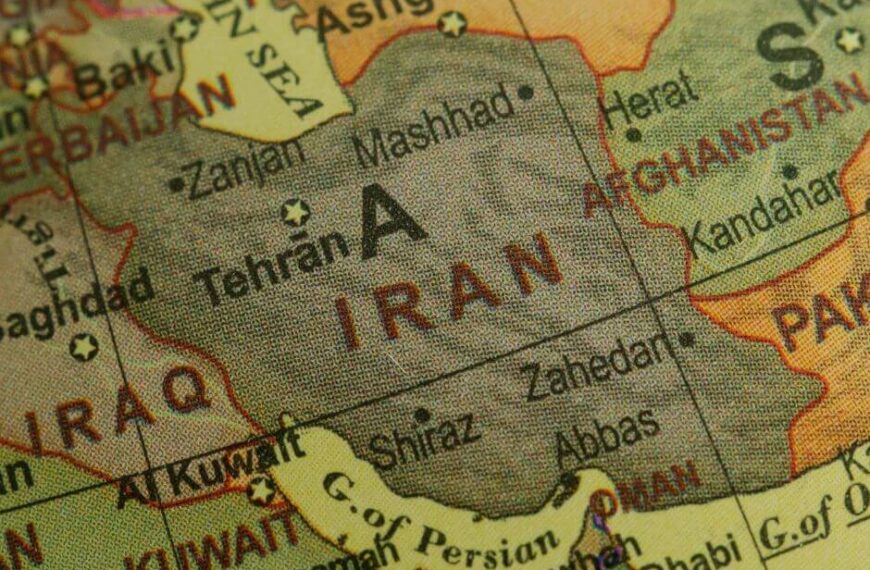
As of January 2026, the Islamic Republic of Iran is navigating what may be the most existential chapter of its forty-seven-year history. The country is currently defined by a “proto-revolutionary” atmosphere, where a crumbling economy and a fractured regional strategy have converged to create a perfect storm for the ruling establishment.
The Winter of Discontent: The 2026 Protests
What began in late December 2025 as a localised strike by merchants in the Tehran Bazaar has metastasised into a nationwide movement. Unlike previous waves of unrest—such as the 2022 “Woman, Life, Freedom” movement—the current uprising is rooted in a fundamental collapse of the Iranian Rial.
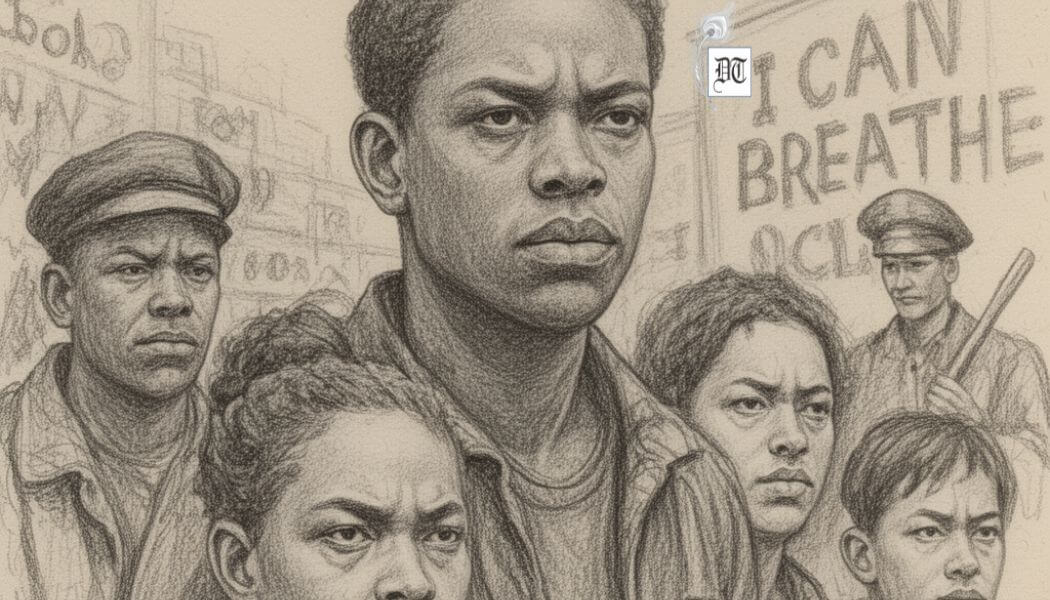
Since January 8, 2026, the government has maintained a near-total internet blackout. Despite this, reports of extreme state violence have trickled out. Human rights monitors suggest that the crackdown in early January has resulted in a staggering loss of life, with some unverified reports estimating thousands killed in the span of just two weeks. For the first time, these protests are not just limited to the urban middle class; they have seen significant participation from the traditional working-class “backbone” of the regime.
The Economic Dead-End
The Iranian economy is no longer merely “strained”—it is in a state of hyper-volatile decay. With the exchange rate reaching historic lows against the dollar, basic subsistence has become a luxury.
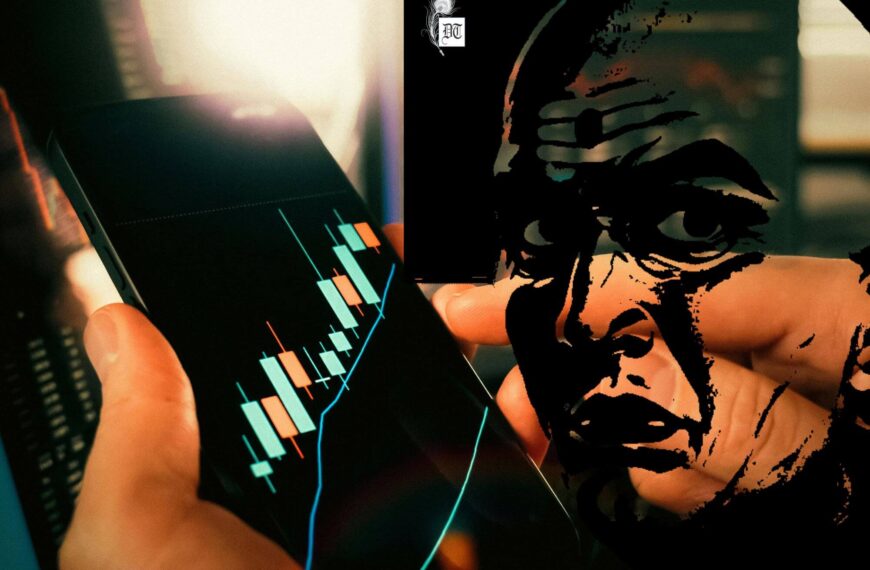
The Subsidy Crisis: In a desperate attempt to balance a deficit-ridden budget, Tehran recently slashed subsidies on medicine and flour. This “economic shock therapy” has backfired, driving inflation toward the 60% mark and erasing the life savings of millions.
Sanctions Snapback: The reinstatement of full UN sanctions in late 2025, triggered by European powers (the E3), has effectively severed Iran’s remaining lifelines to the global financial system, leaving the country almost entirely reliant on a “shadow fleet” of oil tankers to survive.
A Fragile Regional ‘Forward Defence’
For decades, Iran’s security was built on its “Axis of Resistance”—a network of proxies in Syria, Lebanon, and Yemen. Today, that shield is riddled with holes.
Following the dramatic fall of the Assad regime in Syria and the systematic weakening of Hezbollah’s senior leadership, Iran’s regional influence is at its lowest ebb in twenty years. Furthermore, the direct military exchanges with Israel and the U.S. in mid-2025 have severely degraded Iran’s air defence capabilities and nuclear infrastructure. This vulnerability has forced Tehran into a corner, where its primary tool of deterrence—the threat of regional escalation—no longer carries the weight it once did.
The Succession Shadow
Looming over the street battles and the economic ruin is the question of what comes next. At 86, Supreme Leader Ayatollah Ali Khamenei remains the ultimate arbiter of power, but his recent public appearances have fuelled intense speculation regarding his health and the transition of power.
The lack of a transparent or popular successor has created a vacuum that is currently being filled by the Islamic Revolutionary Guard Corps (IRGC). There are growing signs that the IRGC is transitioning from a military-industrial complex into a de facto “military junta”, prioritising regime survival through sheer force over any political or social reform.
Conclusion: The Point of No Return
Iran enters mid-2026 as a nation of deep contradictions: a highly educated, young population that has mentally moved past theocracy, governed by a security apparatus that sees any concession as a fatal weakness. Whether the current movement leads to a fundamental shift in governance or another period of dark repression remains to be seen. However, one reality is clear—the status quo in Iran has reached its expiration date.
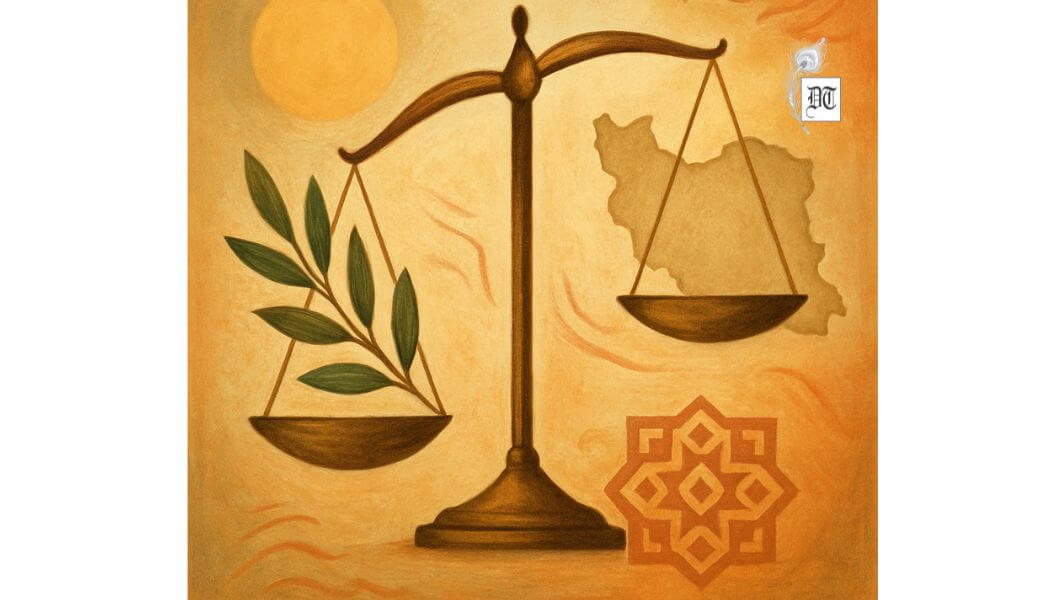
Picture design by Anumita Roy

Born in Shillong, Rita Biswas Pandey’s diverse career spans education and corporate life. A North Eastern Hill University graduate, she holds multiple certifications in social welfare and computer studies. Retiring from UPS to pursue her passion, now a Delhi resident, is a published author (Tinkonya, Yuddha and Kabita somogro ). She also enjoys singing, poetry recitation,sketches, cooking, photography, Blogging and vlogging, sharing her life with her husband, Vinod, and their beloved pet, Titu.
 By
By
 By
By