
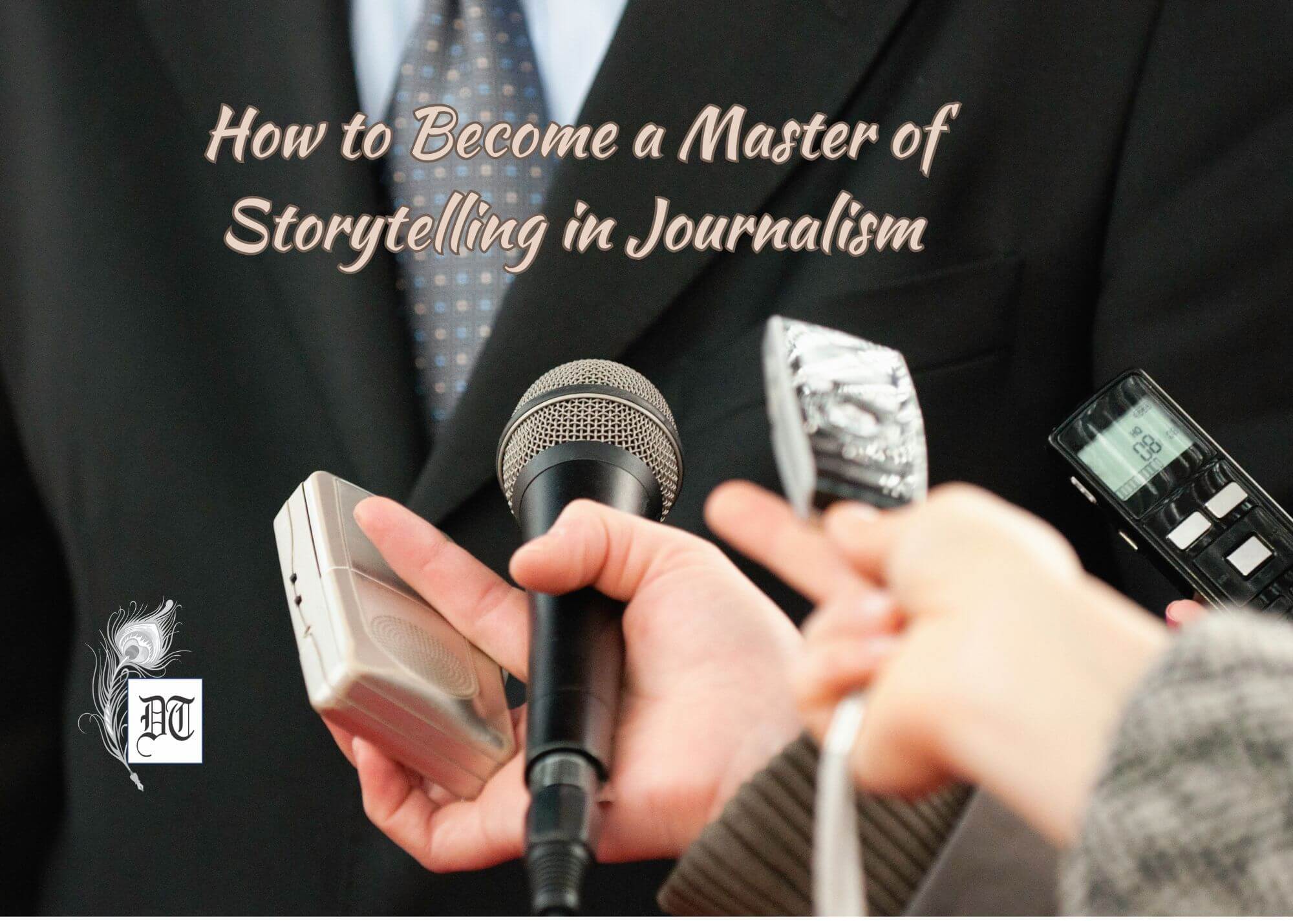

Dr Navodita emphasises that reporting involves more than just facts; it involves storytelling, research, empathy, understanding context, and objectively conveying truths. An exclusive for Different Truths.
Reporting is not just about telling the way it is. It is alright to be there on the field, take the shots, and gather some raw footage, write a script and edit it. But reporting is much more. A journalist weaves stories out of facts, reading between the lines, slugging it out at making every shot and story perfect.
The location may be a fashionista studio, a yoga hotspot, a sporty field or a war zone. It’s about how you tell the stories—the viewer is your audience; the reader is your focus and the listener your complete target. Medium is the message so unless you have mastered the art and craft of telling the story through the hardware and equipment properly, it will be difficult to say it with panache and precision.
Is a reporter a writer? Is a reporter filmmaker? Is a reporter an author? Well, not really but quite close. A journalist is an auteur in meaning and interpretation—nibbling at the scene and the shots, imbibing the responses of the ones whose stories he or she is documenting, living with the subjects of the story in an ‘embedded’ sort of way, empathising with the subjects, living out every detail and situation as it truly happened, yet while writing, maintaining a sense of confidentiality, truthfulness, objectivity, non-partisanship and belief in humanity. The basic values of news are empathy, trust and objectivity—toward the sources, subjects and your organisation or platform you are writing for.
Is a reporter a scribe, as a journalist is often called? Not quite—over the years the term ‘scribe’ has been used to denote a person who documents everything. However, a journalist is much more. It is not only about documenting stories; nor is it about reporting it as it is. It is understanding the context, the wider realm of events, the broader spectrum of governments, ideologies, opinions and then making your word and view count within the gamut of interpretations. The challenge is: has the audience understood and interpreted the story in the same way the communicator intended it to be?
Media research is one such aspect—how many ways of production exist; how many forms of representation give way to stereotyping resulting in crimes or misinterpretations, how many interpretations exist for a single story depending upon the culture, geography, background of the audience. Stories are easy prey to misgivings of your own- coloured in your prejudiced view of the world.
Picture design by Anumita Roy

Navodita Pande teaches Mass Media and Communication and English to ICSE/ISC school in Assam. She also trains students in Yoga, gratitude and healing. She loves to paint, write and read as her pastimes. She lives in Assam with her daughter.

 By
By
 By
By
 By
By
 By
By