
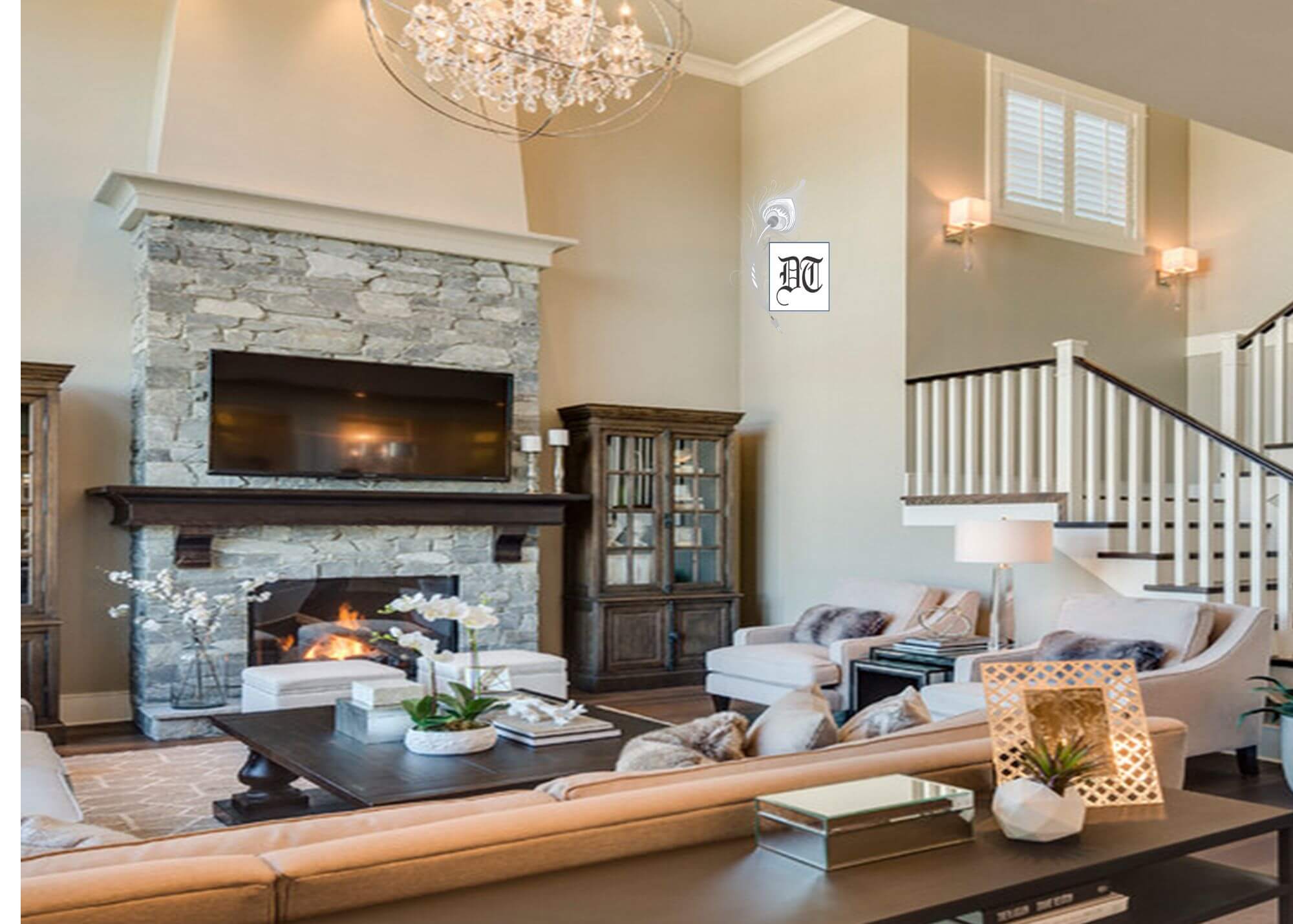

Ruchira opines that urban lifestyles are evolving rapidly, transforming home interiors with modern materials, minimalist designs, and tech-savvy innovations that are replacing traditional aesthetics, exclusively for Different Truths.
As I look around, I observe how things are changing at breakneck speed. Even the lifestyles of urban residents have transformed beyond recognition, including home decor and interiors.
Look beneath your feet. Mosaic floors featuring black and white or multi-coloured chips have given way to tiles in a myriad of sizes and hues, some gaudy and others more pleasing to the eye. Another option is white marble slabs with simple designs. Alternatively, there are large sheets of vinyl flooring that, when installed wall to wall, can eliminate the need for carpets and rugs.
When it comes to carpets, there is an increasing use of artificial, man-made fibers rather than the old staple, wool. There is also experimentation with materials like jute and hemp, and yes, a smattering of artificial fibers.
Lime-washed walls, once the icons of the colonial era, are steadily declining, replaced by distemper and other sophisticated, washable wall paints. Nowadays, it is trendy to paint three walls of a room in the same color, supplementing this with acrylic wallpaper that can be plain or ornate, depending on the personal preferences of family members.
Another feature from the British era—pelmets—has fallen into oblivion, making way for sleek curtain rods made from various materials such as aluminum, plastic, and steel. Honestly, I truly miss those wooden fixtures, as they added a sense of dignity and grace to the rooms. Moreover, the solid rectangular box pelmets often doubled as bookracks or shelves for dolls, toys, and knick-knacks.
Looking around further, you will notice television sets securely mounted on the walls of living rooms or bedrooms. Wall clocks and desk clocks in various shapes and sizes are rapidly disappearing, replaced by digital versions. While these may be scientifically advanced, they lack aesthetic appeal.
Homeowners of yore took pride in their dining tables and chairs, which were carved from high-quality wood and featured artistic designs. In contrast, modern sets often have glass tops with metal or steel stands. Beyond glass and metal, there is an influx of moulded plastic versions in garish colours like blue, red, and white. While I would classify this as poor taste, many are accepting this array of moulded plastic furniture because it is lightweight, movable, maintenance-free, and cost-effective. Nevertheless, my preference leans toward those imposing, majestic, varnished wardrobes and almirahs.
Curtains and a myriad of blinds are competing for space in homes.
Separate dining areas have become a relic of the past; they now serve as extensions of kitchens. Kitchens are dominated by double-door refrigerators, sleek cooktops, electric multi-cookers, rice cookers, and air fryers.
Kitchens that once were smoky and sooty—thanks to the excessive use of spices and oils—are now undergoing expensive makeovers.
The same goes for bathrooms, many of which now feature wall clocks and transparent glass shelves for storing books and journals. I find this idea immensely appealing: to indulge in reading in absolute solitude, undisturbed and away from prying eyes. It epitomises a classy lifestyle. In many luxurious apartments, spare rooms and covered spaces are being converted into gyms, fully equipped with treadmills and other equipment.
So, it goes… days will lapse into weeks, weeks will melt into months, and months into years. Innovations, research, and development in the realm of lifestyle will continue to usher in further changes. Therefore, it is wise to be prepared for the ever-changing transformations within your home.
Picture design by Anumita Roy

Born in Guwahati and raised across Delhi and Punjab, Ruchira Adhikari Ghosh is an alumna of Sacred Heart Convent, Ludhiana. She holds a master’s degree in English literature from Punjab University, Chandigarh, and a postgraduate diploma in Journalism. With nearly 25 years of experience in print, web, and television media, she has carved a niche as a feature writer. Her writing focuses on women’s issues, food, travel, and literature, reflecting both versatility and depth.



 By
By
 By
By
 By
By
 By
By