
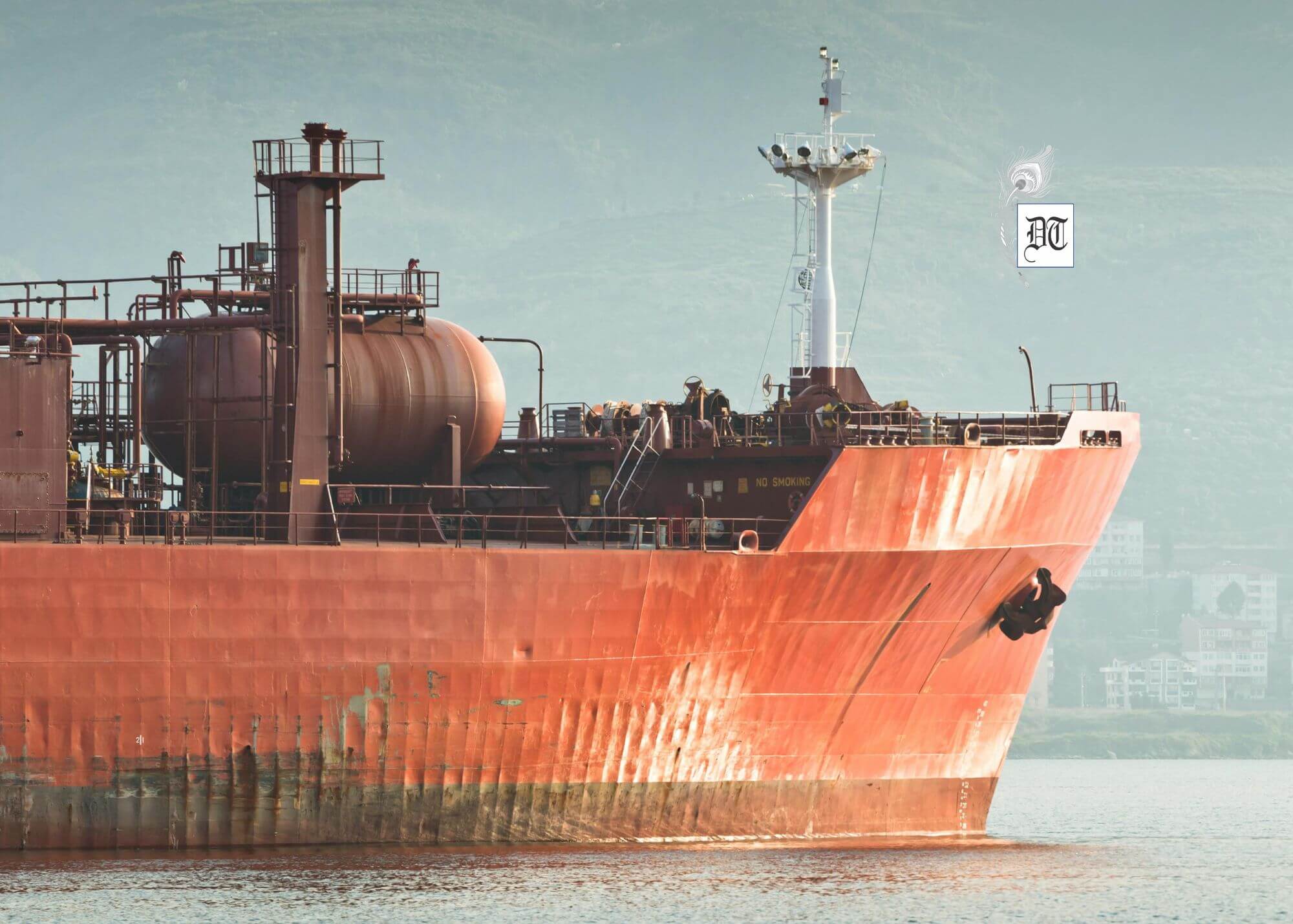
India asserts energy security amid Iraq-US and Iran tensions, as Rita analyses in DifferentTruths.com

AI Summary
o India deploys warships via Operation Urja Suraksha to escort oil tankers through the Strait of Hormuz, citing UNCLOS innocent passage rights.
o Rejects Iran’s potential “protection fees”, prioritising strategic autonomy despite Chabahar investments.
o Positions as “Net Security Provider” in the Indian Ocean, balancing diplomacy and defence.
India imports nearly 60% to 70% of its crude oil from the Persian Gulf region. The Strait of Hormuz is the vital narrow passage through which this massive amount of fuel reaches India. If Iran imposes conditions like “protection fees” or “prior permission”, it would directly hit India’s economy. India has made it clear that commercial shipping should not depend on any single country’s mercy.
International Law and UNCLOS
India is citing UNCLOS (United Nations Convention on the Law of the Sea). According to this law, ships from any country have the right to “Innocent Passage” through international waterways like the Strait of Hormuz. India considers any interference by Iran a violation of international law.
Operation Urja Suraksha
India is not just talking; it is taking action through Operation Urja Suraksha. By deploying seven warships in the Gulf of Oman and the Arabian Sea, India is physically escorting its vessels. These include advanced stealth destroyers and frigates capable of stopping both aerial drone strikes and submarine attacks.
Two Key Strategic Messages
No Compromise: Even though India has invested in Iran’s Chabahar Port, it will not compromise on its own energy security.
Net Security Provider: India is no longer just a spectator; it is now a primary guardian and “Net Security Provider” in the Indian Ocean region.
The Balancing Act
Interestingly, while India is putting pressure on Iran, diplomatic talks remain open. India does not want a war, but it also does not want Iran to have exclusive control over this critical route.
In short, India is following a policy of “strategic autonomy”—protecting its own interests without needing anyone else’s permission.
Picture design by Anumita Roy

Born in Shillong, Rita Biswas Pandey’s diverse career spans education and corporate life. A North Eastern Hill University graduate, she holds multiple certifications in social welfare and computer studies. Retiring from UPS to pursue her passion, now a Delhi resident, is a published author (Tinkonya, Yuddha and Kabita somogro ). She also enjoys singing, poetry recitation,sketches, cooking, photography, Blogging and vlogging, sharing her life with her husband, Vinod, and their beloved pet, Titu.

 By
By
 By
By
 By
By
 By
By