Hinduism values knowledge as a powerful source of power, with scriptures, guru-disciple tradition, Jnana Yoga, and education empowering individuals and society, opines Rajul, exclusively for Different Truths.
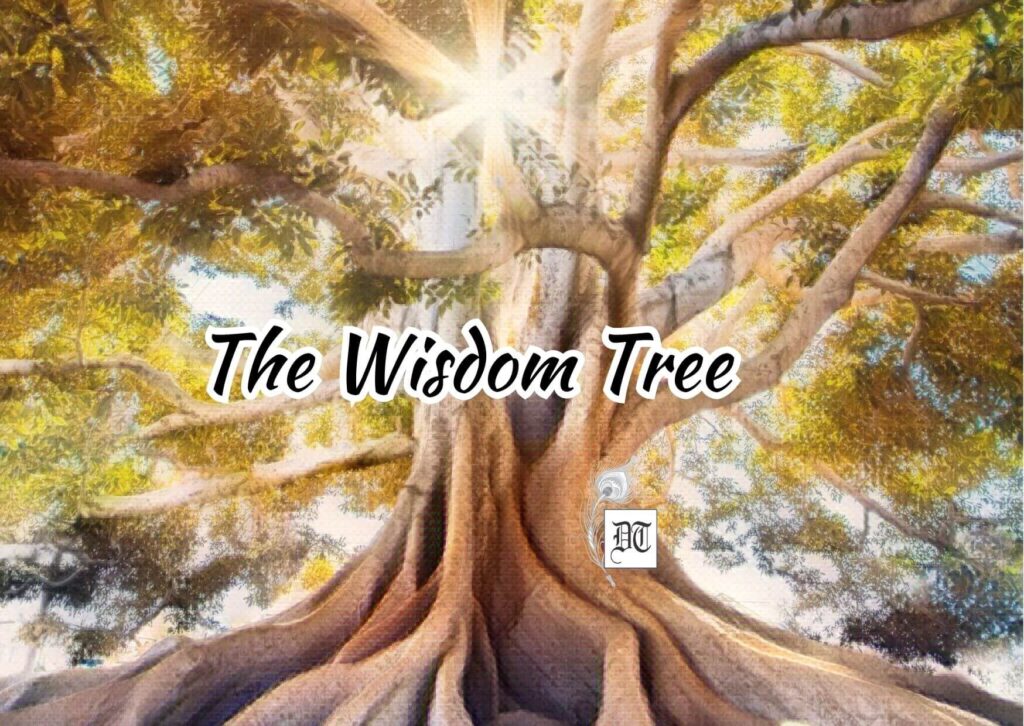
Hinduism has always revered knowledge as a potent source of power. The ancient Indian scriptures, philosophical traditions, and mythological narratives of Hinduism highlight the profound connection between knowledge and empowerment. This article explores the significance, representation, and practical implications of the Hindu concept of knowledge as power.
The Power of Sacred Scriptures
Vedas and Upanishads, ancient scriptures that comprise a vast ocean of knowledge, are the foundation of Hinduism. These allegedly divinely revealed texts span a vast array of topics, including spirituality, philosophy, rituals, and the sciences. It is believed that the knowledge contained in the Vedas and Upanishads has tremendous power, capable of leading individuals to self-realisation and liberation. By studying and comprehending these sacred texts, aspirants gain wisdom, insight, and the capacity to navigate the challenges of life with clarity and fortitude.
The Guru-Disciple Tradition
The guru-disciple relationship is a fundamental aspect of Hinduism, symbolizing the transmission of knowledge and spiritual guidance. Often regarded as a living embodiment of wisdom, the guru imparts knowledge to the disciple through personal instruction and example. This knowledge empowers the disciple, providing them with the tools to navigate their spiritual journey. The teachings of the guru enable the disciple to transcend ignorance, overcome obstacles, and attain higher states of consciousness.
Jnana Yoga: The Path of Knowledge
Jnana Yoga, the path of knowledge, is among the most important Hindu paths to spiritual enlightenment. It emphasises acquiring knowledge through self-inquiry, scriptural study, and reflection. Individuals obtain an understanding of the foundations of reality and their true essence through profound reflection and introspection. The knowledge acquired through Jnana Yoga frees individuals from the illusion of separateness and enables them to recognise their inherent divinity.
Goddess Saraswati
Saraswati, the Goddess of Hinduism, represents the power of knowledge, arts and learning as the divine embodiment. Saraswati is portrayed as a tranquil and radiant figure, symbolising various aspects of knowledge through her four limbs. Her connection with the Veena, a musical instrument, signifies the harmonious outcome that arises from the pursuit of knowledge. Devotees believe that venerating Saraswati grants them wisdom, intelligence, eloquence, and artistic talents, empowering them to unlock their inner potential and fulfil their aspirations.
Education and Scholarship
Education and scholarship hold a significant position in Hindu society, emphasising a deep-rooted tradition of intellectual pursuit. Historical hubs of learning, like Nalanda and Takshashila, acted as magnets for scholars from various corners of the globe, showcasing the remarkable intellectual heritage of Hinduism. This focus on education arises from the conviction that knowledge endows individuals with the ability to positively impact society, encourage innovation, and propel social advancement. Education empowers individuals to transcend restrictive beliefs, broaden their perspectives, and make enlightened decisions.
Conclusion
Within Hinduism, the adage “knowledge is power” resonates deeply, as it acknowledges the transformative potential of knowledge in individual and societal contexts. Hinduism fosters the harnessing of knowledge by drawing upon various sources such as the sacred scriptures, the guru-disciple tradition, Jnana Yoga, the worship of Goddess Saraswati, and a strong emphasis on education. By seeking knowledge and applying it wisely, individuals gain insight, wisdom, and the ability to navigate life’s challenges. This empowered state enables them to make meaningful contributions to society, attain spiritual liberation, and ultimately realise their true nature as divine beings. In embracing knowledge as power, Hinduism emphasises the profound impact that knowledge can have on individual lives and the world.
Picture design by Anumita Roy

Rajul Tiwari is an educationist, writer, author, editor and poetess. She writes in English and Hindi with equal ease. She heads a publishing unit and her poetry book ‘Beats of Beauty’ has been appreciated by many critiques and poetry lovers. In 2002 & 2004, she was honoured with ‘Editor’s Choice Award’ by International Library of Poetry, US. Rajul is gracious and acknowledges the goodness in others. Her disarming and winsome smile is endearing.


 By
By
 By
By
 By
By